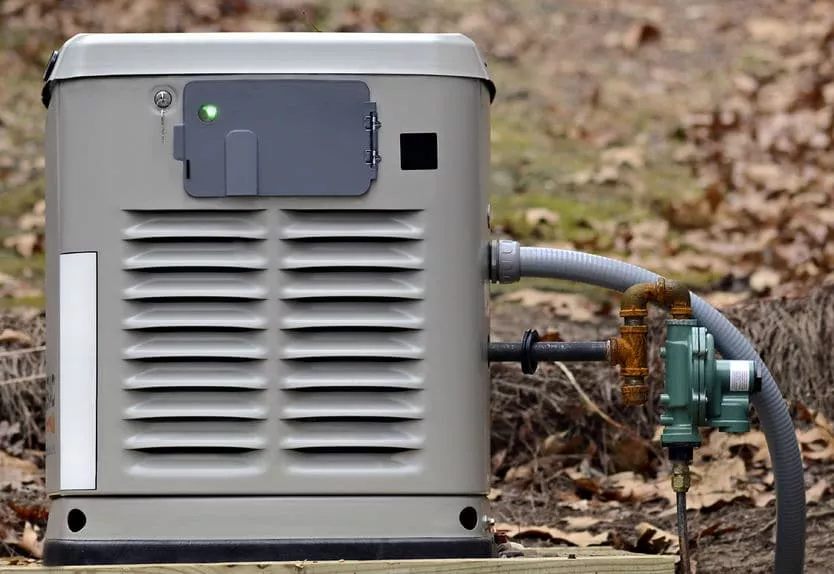
Imagine this: a storm is raging outside, the power goes out, and suddenly, your home is plunged into darkness. Your refrigerator stops humming, your internet disappears, and you’re left wondering about the food in your freezer.
Sound familiar? If you’ve ever faced this scenario, you might have asked yourself, “Do I need a standby generator? ” This article is here to help you answer that question with confidence. We’ll explore the benefits of having a standby generator, how it can bring peace of mind, and why it might be a smart investment for your home.
Don’t just wonder about the next power outage—read on to discover how you can keep your home running smoothly, no matter what the weather throws your way.
Benefits Of A Standby Generator
A standby generator offers constant powerduring outages. It automatically starts when the main power fails. This keeps your home running without interruptions.
It protects appliancesby providing steady electricity. Sudden power loss can damage sensitive devices. A standby generator avoids this risk by keeping power stable.
Home safety increases with a standby generator. It powers security systems and lights, which helps prevent accidents and crime during outages. This gives peace of mind for your family.

Credit: www.achrnews.com
Types Of Generators
Standby generators provide automatic power during outages, while portable ones need manual setup. Choosing depends on your power needs and budget. Understanding these types helps decide if a standby generator suits your home or business.
Portable Vs Standby Generators
Portable generatorsare small and easy to move. They run on gasoline and can power a few devices at once. Standby generatorsare larger and fixed outside a home. They start automatically during power outages and run on propane or natural gas. Standby generators power whole houses or big buildings.
Fuel Options And Efficiency
Gasoline is common for portable generators but burns fast. Propane and natural gas last longer and are cleaner. Diesel is strong and good for big standby generators. Standby generators use fuel more efficientlyand save money over time.
Automatic Transfer Switch
An automatic transfer switchmoves power from the grid to the generator. It works fast when power goes out. This switch keeps your home safe and running without manual work. Portable generators do not have this switch and need to be started by hand.
Assessing Your Power Needs
Calculating power needs helps decide if a standby generator is needed. Start with listing essential applianceslike fridge, lights, and heating. Each appliance uses a different amount of power, measured in watts.
Think about future power needs. Will you add new devices or rooms soon? A bigger home or more gadgets means more power.
| Home Size | Electrical Load (Watts) | Suggested Generator Size (kW) |
|---|---|---|
| Small (1-2 rooms) | 1000 – 3000 | 3 – 5 |
| Medium (3-4 rooms) | 3000 – 6000 | 5 – 8 |
| Large (5+ rooms) | 6000+ | 8+ |
Installation And Maintenance
Professional installationensures your standby generator works safely and correctly. Experts check local codes and permits before starting. They choose the best place to install the generator, away from windows and vents. Proper wiring and connection to your home’s electrical panel are done by trained technicians. This avoids risks like electrical shocks or fires. After installation, the system is tested to confirm it runs smoothly and switches on automatically during power outages.
Regular routine maintenancekeeps the generator ready for use. Check oil and coolant levels often. Replace filters as needed. Run the generator monthly for about 20 minutes to keep it in good shape. Clear debris and leaves from around the unit to prevent damage. Keep the area dry and free from snow or ice in winter.
| Common Troubleshooting Issues | Possible Causes | Simple Fixes |
|---|---|---|
| Generator won’t start | Low fuel or dead battery | Refill fuel, charge or replace battery |
| Fails to transfer power | Transfer switch problem | Check switch connections or call technician |
| Overheating | Blocked air vents or low coolant | Clear vents, check coolant level |
Cost Factors And Budgeting
Initial purchaseand installation of a standby generator can be costly. Prices vary based on generator size, brand, and features. Installation may require electrical work and permits, adding to the cost. Choosing a reliable installer is important for safety and performance.
Fuel and operating expensesdepend on the fuel type: natural gas, propane, or diesel. Natural gas is usually cheaper but may not be available everywhere. Diesel generators need more maintenance and fuel storage. Running costs include fuel, oil changes, and occasional repairs.
| Cost Type | Details |
|---|---|
| Initial Purchase | $2,000 to $10,000 depending on generator size |
| Installation | $500 to $3,000 depending on complexity |
| Fuel | Varies by fuel type and usage |
| Maintenance | Regular oil changes and inspections |
Long-term financial benefitsinclude protection against power outages, avoiding food spoilage, and keeping home systems running. This can save money and reduce stress. A standby generator may also increase home value.

Credit: lghomecomfort.ca
Local Regulations And Permits
Many areas have zoning lawsthat limit generator use. Some zones may ban standby generators or set size limits. Check local rules before buying one.
Applying for a permit can take time. You usually need to submit a form with details about the generator. Some towns may require an inspection.
Noise from generators is often controlled by local limits. Make sure the model you choose meets these rules to avoid complaints.
Emission standards limit pollutants from generators. Look for models that meet clean airrules in your area.
Alternatives To Standby Generators
Solar power systemsuse sunlight to create electricity. They reduce bills and help the environment. Solar panels work best in sunny places. They store energy in batteries for use at night or during outages. Solar power needs a good setup and space on the roof.
Battery backup solutionsstore electricity for later use. They keep essential devices running when power goes out. Batteries are quiet and need little care. Their size and capacity affect how long power lasts.
Hybrid power optionscombine solar panels with battery backups or generators. This mix gives more power security. Hybrid systems switch power sources automatically. They balance cost, reliability, and clean energy.

Credit: www.angi.com
Frequently Asked Questions
What Is A Standby Generator And How Does It Work?
A standby generator automatically powers your home during outages. It detects power loss, starts instantly, and runs on fuel like propane or natural gas. This ensures continuous electricity without manual setup or delay, keeping essential appliances and systems operational.
Who Should Consider Installing A Standby Generator?
Homeowners in areas with frequent power outages, extreme weather, or critical medical equipment benefit most. Businesses needing uninterrupted power also find them useful. If power loss disrupts your daily life or work, a standby generator is a practical investment.
How Much Does A Standby Generator Typically Cost?
Prices vary by size and features but usually range from $2,000 to $7,000 for residential units. Installation and permits can add $1,000 to $5,000. Consider long-term savings and peace of mind when evaluating costs.
How Reliable Are Standby Generators During Power Outages?
Standby generators are highly reliable, designed to start within seconds of an outage. They provide consistent power until utility service is restored. Regular maintenance ensures optimal performance and longevity.
Conclusion
A standby generator can bring peace during power outages. It keeps your home running without interruptions. Think about your needs and budget first. Consider how often your area loses power. Safety and convenience matter a lot. A small investment now can save big trouble later.
Choose a generator that fits your lifestyle. Stay prepared and avoid unexpected darkness. Your family’s comfort deserves reliable power backup.