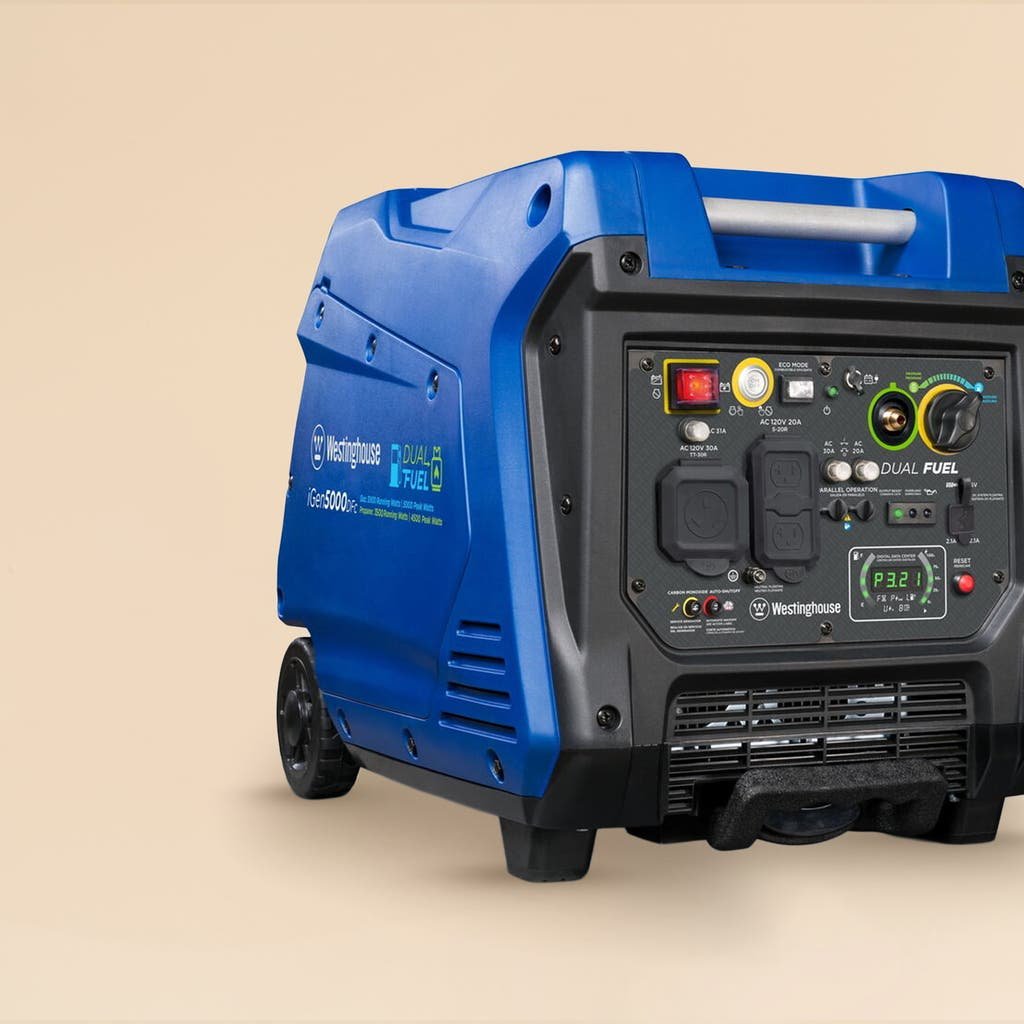
Imagine planning a camping trip or gearing up for an outdoor event. You want everything to go smoothly, and reliable power is a big part of that.
But the question arises: Do you need an inverter generator? This is a common dilemma for many people just like you, who want to ensure their appliances run efficiently without interruption. We will delve into the benefits, uses, and considerations of inverter generators to help you make an informed decision.
By the time you finish reading, you’ll have a clear understanding of whether an inverter generator is the right choice for your needs. Stay tuned to uncover all the insights that could simplify your power needs and enhance your experiences.
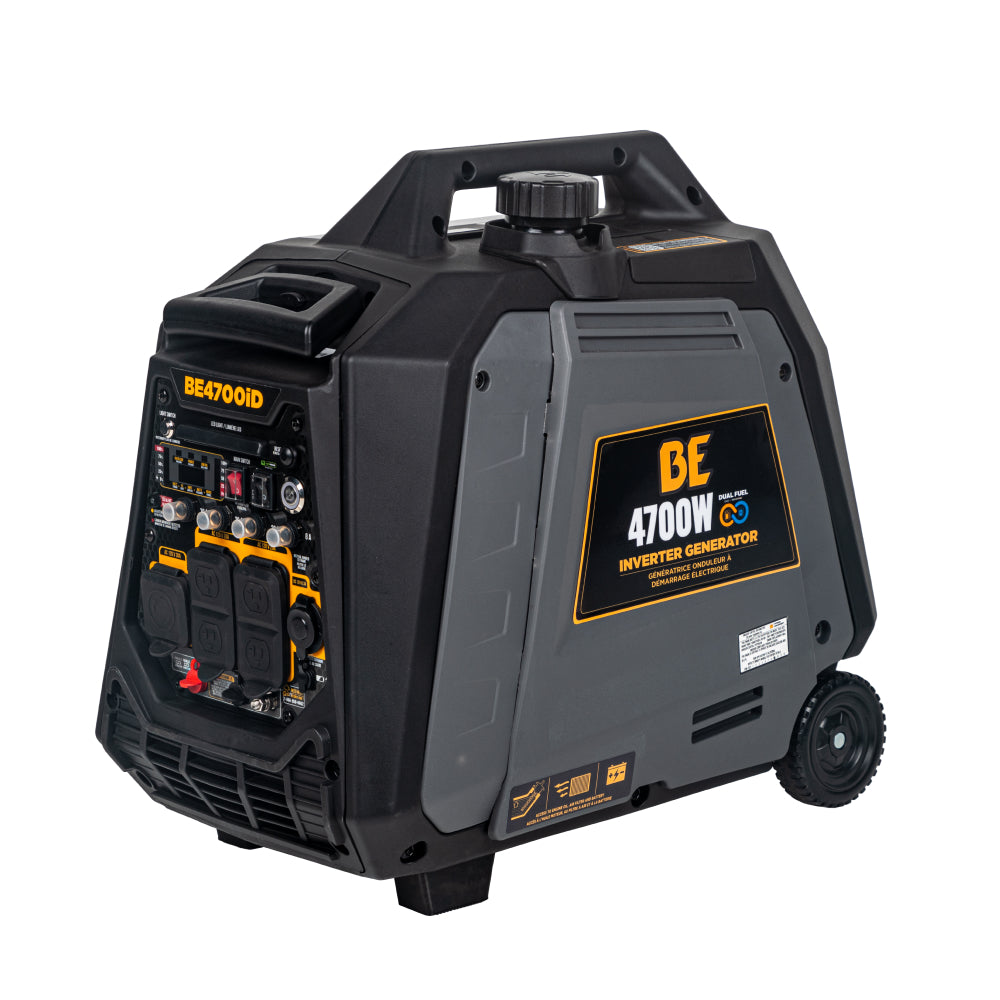
Credit: bepowerequipment.com
What Is An Inverter Generator
Have you ever been in the middle of a power outage or a camping trip and wondered if there’s a better, quieter way to keep your devices running? That’s where an inverter generator comes in. This innovative piece of technology is designed to provide clean and efficient energy in a compact form. But what exactly is an inverter generator, and how does it differ from traditional generators?
What Makes An Inverter Generator Different?
Unlike conventional generators, inverter generators produce AC electricity in three phases. This electricity is then transformed into DC power before being inverted back into clean AC power. The process ensures a stable flow of electricity that is safe for sensitive electronics like laptops and smartphones.
Inverter generators are also known for their quiet operation. You’ll find them much less disruptive than traditional models, making them ideal for camping trips or residential use. Plus, they are typically more fuel-efficient, saving you money in the long run.
Why Choose An Inverter Generator?
If you value portability, inverter generators are often smaller and lighter than their conventional counterparts. This makes them easier to transport, whether you’re heading to a campsite or need backup power at home.
Another compelling reason is their ability to adjust engine speed based on the power demand. This feature not only reduces noise and fuel consumption but also extends the life of the generator. Imagine the convenience of having a generator that adapts to your needs without wasting energy.
What Can You Power With An Inverter Generator?
Inverter generators are perfect for powering small appliances and electronics. Think of your laptop, smartphone, or even a small fridge. Their stable output makes them ideal for devices that are sensitive to power fluctuations.
While they might not be suitable for running heavy machinery, their versatility in handling everyday devices makes them a popular choice. Consider what you need to power most frequently, and you’ll find an inverter generator may fit the bill perfectly.
So, do you really need an inverter generator? If portability, quiet operation, and efficient energy use are important to you, then the answer might just be yes. Whether you’re preparing for emergencies or planning your next outdoor adventure, an inverter generator could be your reliable energy source.

Credit: campernation.co.uk
Inverter Vs. Conventional Generators
Choosing between an inverter and a conventional generator depends on your needs. Inverter generators offer quieter operation and cleaner power, making them ideal for sensitive electronics. Conventional generators are more suitable for heavy-duty tasks with higher power requirements.
Deciding between an inverter generator and a conventional generator can be perplexing, yet understanding their differences can guide you to the right choice. Whether you’re planning a camping trip, powering your home during an outage, or keeping a job site operational, knowing the strengths of each type can save you headaches down the road. Let’s dive into the specifics to see which one aligns with your needs.Key Differences
Inverter generators are known for their compact and lightweight design. They are designed to adjust the engine speed according to the power load, resulting in better fuel efficiency. Conventional generators, on the other hand, run at a constant speed, which can lead to higher fuel consumption. They are typically larger and heavier, making them less portable. Noise levels are another critical difference. Inverter generators run quietly, making them ideal for situations where noise is a concern, like a quiet campsite. Conventional generators are often noisier, which might not be suitable for all environments.Pros And Cons
- Inverter Generators Pros:
- Fuel efficient with variable speed operation.
- Compact, lightweight, and portable.
- Low noise levels, suitable for residential use.
- Inverter Generators Cons:
- Higher initial cost compared to conventional generators.
- Lower power output, not ideal for heavy-duty equipment.
- Conventional Generators Pros:
- Higher power output, suitable for industrial and commercial use.
- Generally lower cost, making them budget-friendly.
- Conventional Generators Cons:
- Higher noise levels can be disruptive.
- Larger and heavier, making them less portable.
- Less fuel-efficient due to constant speed operation.
Benefits Of Inverter Generators
Considering an inverter generator offers quiet operation and fuel efficiency. It delivers clean power, ideal for sensitive electronics. Compact and portable, it’s perfect for outdoor activities or emergencies.
Inverter generators have gained popularity due to their many benefits. They offer a blend of efficiency, quiet operation, and reliable power. If you’re considering one, understanding its advantages can help. Let’s explore these benefits in more detail.Efficiency And Fuel Economy
Inverter generators are known for their efficiency. They adjust engine speed to match the power needed. This means they consume less fuel compared to traditional generators. With better fuel economy, you save money on fuel costs. Plus, they run longer on a single tank.Noise Levels
Nobody likes noisy generators. Inverter generators run quietly, making them perfect for camping and residential use. Their design includes noise-reducing technology. So, you can enjoy a peaceful environment even when the generator is on.Portability And Size
Inverter generators are compact and lightweight. They are easy to move and store. Perfect for those on the go. Whether you’re tailgating or using it for outdoor events, transporting them is simple.Power Quality
These generators provide clean and stable power. This is crucial for sensitive electronics like laptops and smartphones. Inverter generators produce a consistent and reliable power output. This ensures your devices are safe from power surges or fluctuations.Applications For Inverter Generators
Considering an inverter generator? These devices provide efficient, clean power for sensitive electronics. Perfect for camping, outdoor events, or emergency home use.
Inverter generators serve many purposes. They are quiet, efficient, and versatile. These qualities make them ideal for various uses. Understanding their applications can help you decide if you need one.Home Backup
Inverter generators keep your home running during power outages. They power essential devices like refrigerators, lights, and chargers. They produce clean energy, safe for sensitive electronics. Their quiet operation makes them perfect for residential areas.Outdoor Recreation
Inverter generators are great for camping trips. They power lights, cooking equipment, and small appliances. Their lightweight design ensures easy transport. You can enjoy the comforts of home while camping in nature.Construction And Worksites
Inverter generators provide power for tools on construction sites. They are ideal for running drills, saws, and other equipment. Their reliability helps maintain productivity on the job. Compact size makes them easy to move around the site.Emergency Situations
In emergencies, inverter generators are crucial. They provide power for communication devices and emergency equipment. Their stable output ensures continuous operation. They are a reliable source of power when you need it most.Choosing The Right Inverter Generator
Choosing the right inverter generator depends on your power needs and usage patterns. These generators are quieter and more fuel-efficient. Ideal for camping trips and backup during power outages.
Choosing the right inverter generator can seem daunting. With many options available, making an informed choice is crucial. Your decision should be based on specific needs and practical considerations. Let’s explore some key factors to guide you.Power Needs Assessment
Understanding your power requirements is essential. List devices you plan to run with the generator. Calculate their combined wattage. Make sure your generator can handle this load. Consider both starting and running watts. This ensures uninterrupted power supply.Budget Considerations
Set a budget before shopping. Prices vary widely among inverter generators. Compare different models within your price range. Look for value rather than just price. Sometimes, spending a bit more can bring better reliability.Brand And Features
Some brands offer better quality and service. Research trusted brands with positive reviews. Consider features like fuel efficiency and noise level. Look for generators with advanced technology. These can provide quieter operation and longer runtime.Size And Weight
Size and weight matter, especially for portability. Smaller and lighter models are easier to move. Check dimensions to ensure it fits in your space. Consider ease of transport if you plan to take it outdoors. Portable models can be a great convenience.Maintenance And Care Tips
Wondering if you need an inverter generator? Consider its benefits for quiet operation and fuel efficiency. Regular maintenance ensures optimal performance and longevity.
Maintaining and caring for your inverter generator is crucial to ensure it runs smoothly and efficiently for years to come. Proper maintenance not only extends the life of your machine but also enhances its performance when you need it the most. By following a few simple tips, you can keep your generator in top-notch condition, ready to power your home or outdoor adventures without a hitch.Routine Checks
Regular checks are the backbone of effective generator maintenance. Begin by inspecting the oil levels, as running your generator with low oil can cause significant damage. Make it a habit to check and change the oil every 50-100 hours of use. Ensure the air filter is clean and free of debris. A clogged filter can reduce efficiency and affect performance. Replace it if necessary to maintain optimal airflow. Don’t forget to check the spark plug. If it appears worn or dirty, replace it. This small component is vital for starting your generator smoothly.Storage Guidelines
Proper storage is essential when your inverter generator is not in use. Store it in a dry, cool place away from dust and moisture to prevent corrosion and other damage. Consider using a cover to protect it from the elements, especially if it’s stored outside or in a garage. This simple step can make a big difference in its longevity. Before storing, drain the fuel if you won’t be using the generator for an extended period. Stale fuel can lead to clogs and start-up issues down the line.Troubleshooting Common Issues
Even with the best care, issues can arise. Is your generator not starting? Check the fuel level and ensure the fuel shutoff valve is open. Sometimes, the simplest solutions are the most effective. If the power output is inconsistent, it might be due to a dirty air filter or spark plug. Cleaning or replacing these can often resolve the issue quickly. Do you hear unusual noises? This could indicate a loose part or a need for lubrication. Inspect and tighten any loose components to restore smooth operation. By taking these steps, you ensure your inverter generator remains a reliable power source when you need it most. Is there anything more reassuring than knowing you’re prepared for any power outage or outdoor adventure?
Credit: www.nytimes.com
Frequently Asked Questions
Is An Inverter Generator Really Necessary?
An inverter generator is necessary for stable power supply, especially for sensitive electronics. It offers efficient fuel consumption and quieter operation, making it ideal for camping or RV use. Choose an inverter generator to ensure clean, reliable electricity and enhance your outdoor experience.
What Are The Disadvantages Of An Inverter Generator?
Inverter generators can be more expensive than conventional ones. They often have lower power output and limited fuel options. Maintenance can be complex, requiring specialized parts. Battery life may be shorter in some models, affecting efficiency. Noise levels might still be noticeable despite quieter operations.
Which Is Better, An Inverter Or A Non-inverter Generator?
Inverter generators provide stable power, ideal for sensitive electronics. They are quieter and more fuel-efficient. Non-inverter generators are generally cheaper and suitable for basic power needs. Choose based on your specific requirements.
What Will A 3000 Watt Inverter Generator Run?
A 3000 watt inverter generator can power appliances like refrigerators, microwaves, TVs, lights, and small AC units. It supports multiple electronic devices, but ensure total wattage doesn’t exceed 3000 watts. Always check specific appliance wattage requirements for optimal performance.
Conclusion
Choosing the right generator depends on your needs. An inverter generator offers quiet operation and fuel efficiency. It’s ideal for camping and tailgating. Consider power requirements before buying. Compact design makes it easy to transport. Traditional generators suit heavy-duty tasks.
Think about noise levels and location. Energy efficiency matters too. Evaluate your budget and available space. Reliability is key for emergencies. Compare different models carefully. Make a decision based on your lifestyle. An informed choice ensures satisfaction. Power your essentials with confidence.
Whether for outdoor fun or backup, the right generator is crucial.