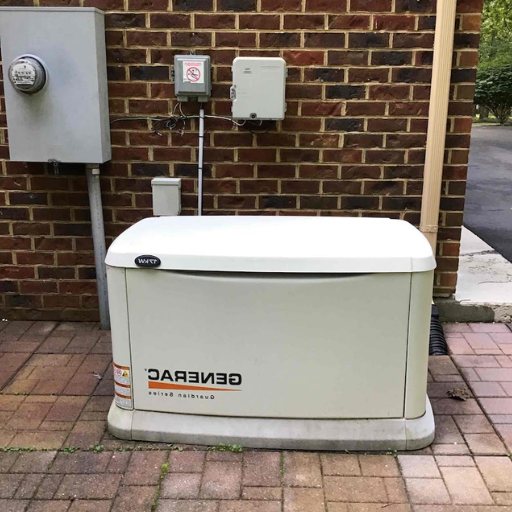
Imagine a storm hits, and suddenly the power goes out. You’re left in the dark, worrying about your food spoiling, your home security system failing, and losing connection to the outside world.
It’s a frustrating scenario, isn’t it? Now, picture having the peace of mind that comes with a standby generator. A generator that kicks in as soon as the power cuts out, keeping your home running smoothly. The best part? You can set it up yourself.
With a do-it-yourself standby generator, you’ll have the power to keep your home safe and comfortable, no matter what Mother Nature throws your way. Ready to take control and learn how? Let’s dive into the details and empower you to make this vital upgrade.

Credit: www.angi.com
Benefits Of A Diy Standby Generator
DIY standby generatorssave money by avoiding costly professional fees. Installing it yourself means fewer bills and more control over expenses.
Homes stay powered during outages, keeping lights, heating, and appliances working. This adds security and comfortwhen the grid fails.
Customization lets you pick the exact power your home needs. Choose the right size and features without extra costs or wasted energy.
| Benefit | Explanation |
|---|---|
| Cost Savings | Avoids expensive professional installation fees. |
| Home Resilience | Keeps essential systems running during outages. |
| Customization | Matches power output to your specific needs. |
Choosing The Right Generator
Assessing power needsis key before buying a standby generator. Check which devices must run during power cuts. List essential items like fridge, lights, and heater. Add their power use in watts. Total watts needed helps find the right size generator. Avoid too small or too large units. A proper size keeps your home safe and comfortable.
| Type of Generator | Best For | Noise Level | Cost |
|---|---|---|---|
| Air-cooled | Small homes, light use | Moderate | Lower |
| Liquid-cooled | Larger homes, heavy use | Low | Higher |
- Natural gas:Clean, steady supply, needs line connection.
- Propane:Portable, stores well, refill needed.
- Diesel:Powerful, noisy, needs safe storage.
Choose fuel based on availability and safety. Ensure easy access for refills. The right fuel keeps your generator ready to work.
Essential Tools And Materials
Generator Components Checklist:A reliable generator, fuel tank, battery, transfer switch, and mounting hardware are essential. Include spark plugs, air filters, and oil for maintenance. A control panel helps monitor the generator’s operation.
Safety Gear and Precautions:Safety glasses, gloves, and ear protection keep you safe. Work in a well-ventilated area to avoid fumes. Always disconnect power before starting any work. Keep a fire extinguisher nearby for emergencies.
Required Electrical and Plumbing Tools:Wire strippers, screwdrivers, pliers, and a multimeter are key for electrical tasks. Use pipe wrenches, Teflon tape, and sealants for plumbing connections. A drill and mounting tools help install the generator securely.
Site Preparation And Installation
Choose a location that is dry, level, and well-ventilated. Avoid spots near doors, windows, or vents to prevent exhaust buildup. The site should allow easy access for maintenance and refueling. Keep the generator at least 5 feet awayfrom your home walls.
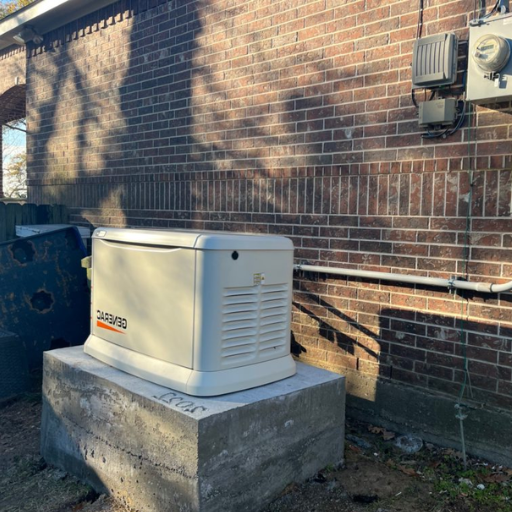
Build a solid foundation using concrete or heavy-duty plastic pads. This keeps the generator stable and protects it from water damage. Make sure the surface is level and strong. Use mounting bolts to secure the generator firmly in place.
| Connection Type | Key Tips |
|---|---|
| Manual Transfer Switch | Safe and simple. Switch power manually to the generator. |
| Automatic Transfer Switch | Switches power automatically during outages. Requires professional wiring. |
| Direct Connection | Connects to home panel. Must follow local electrical codes. |
Turn off the main power before connecting the generator. Use correct wire size and circuit breakers. Always check local laws or hire an electrician for safe installation.
Wiring And Transfer Switch Setup
Installing the automatic transfer switchrequires careful attention. Mount the switch close to your main electrical panel for easy access. Connect the generator wires to the transfer switch terminals. Ensure all wires are tight and secure to prevent loose connections. Use wire nuts or terminal blocks as needed.
Follow proper wiring practicesto avoid hazards. Turn off the main power before starting any wiring. Use wires with the correct gauge for your generator’s power output. Color-code wires for easy identification: black for hot, white for neutral, green or bare for ground. Avoid overloading circuits by distributing loads evenly.
- Check all connections twice to ensure safety.
- Use a voltage tester to confirm power is off.
- Keep wires neat and organized inside the panel.
Testing electrical connectionsis crucial. Start the generator and switch to generator power mode. Verify all critical circuits receive power. Check the transfer switch operates smoothly without sparks or noise. Test the switch back to utility power after generator shutdown.
Fuel System Setup And Maintenance
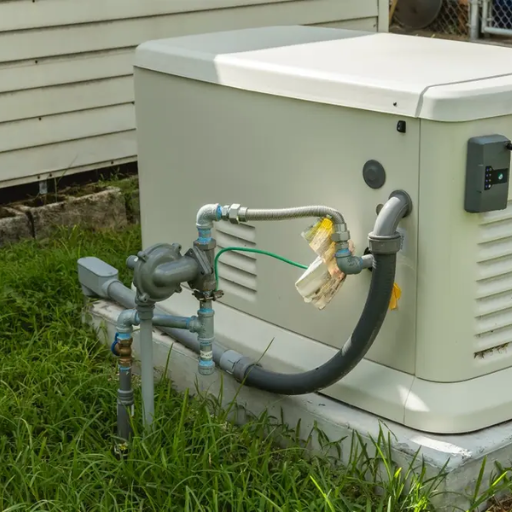
Choose a stable, level surfacefor the fuel tank. Keep it away from heat sources and direct sunlight. Place the tank where spills can be contained easily. Use proper connectors and seals to avoid leaks. Follow local codes and rules for fuel storage.
Keep the fuel tank well-ventilatedto prevent pressure build-up. Secure the tank so it won’t tip or move. Use a fuel tank with a vent to allow air flow during fuel use.
- Check fuel lines for cracks or leaks every month.
- Clean fuel filters to keep fuel flowing smoothly.
- Use fresh fuel to avoid clogging and damage.
- Drain old fuel from the tank before storage.
- Inspect connections and seals regularly for tightness.
Generator Testing And Troubleshooting
Start the generator outside in a well-ventilated area. Check fuel levels and oil before turning on. Turn the key or press the start button carefully. Let the generator run for a few minutes to warm up. Listen for unusual sounds and watch for warning lights. If the generator does not start, check the battery and fuel supply first.
| Common Issue | Possible Cause | Fix |
|---|---|---|
| Generator won’t start | Empty fuel tank | Refill fuel tank |
| Engine stalls | Dirty air filter | Clean or replace air filter |
| Low power output | Faulty spark plug | Replace spark plug |
| Overheating | Blocked cooling vents | Clear vents and clean fan |
- Run the generator under load for 20-30 minutes.
- Check voltage output with a multimeter.
- Inspect fuel and oil levels regularly.
- Test the automatic transfer switch function.
- Listen for abnormal noises during operation.
Credit: shgeneratorset.com
Safety Tips And Best Practices
Carbon monoxideis a deadly gas produced by generators. Always place your generator outsideand far from windows or doors. Ensure proper ventilationaround the generator. Never run it indoors or in garages. Use a carbon monoxide detectornear your home to alert you early.
Electrical safetyis crucial. Always use proper extension cordsrated for outdoor use. Keep cords away from water and heat. Never touch the generator with wet hands. Make sure the generator is groundedto avoid shocks. Connect the generator to your home’s electrical system only with a transfer switchinstalled by a professional.
| Emergency Shutdown Procedure | Reason |
|---|---|
| Turn off all connected devices | Prevents damage from power surge |
| Switch off the generator | Stops fuel flow and engine |
| Let the generator cool | Prevents burns and fire risk |
| Store generator safely | Protects equipment and surroundings |
Maintenance And Long-term Care
Regular checks keep your standby generatorready for use. Change the oilevery 6 months or 100 hours of operation. Clean or replace the air filterto ensure smooth airflow. Check the batteryand cables for corrosion and tight connections. Test the coolant leveland refill if needed. Run the generator monthly to prevent fuel from getting stale. Inspect the spark plugsand replace if dirty or worn out.
| Part | Replacement Interval | Reason |
|---|---|---|
| Oil | Every 6 months / 100 hours | Keeps engine lubricated and clean |
| Air Filter | Every 12 months or as needed | Maintains airflow and engine efficiency |
| Battery | Every 3-5 years | Ensures reliable starting power |
| Spark Plugs | Every 2 years | Supports proper engine ignition |
Store your generator in a dry, cool placeto prevent rust. Cover it to stop dust and debris. Use fuel stabilizerto keep gas fresh during storage. Tighten all bolts and screws to avoid vibrations. Regular care helps your generator last many years.
Credit: shgeneratorset.com
Cost Breakdown And Budgeting
The initial investmentincludes the cost of the generator unit, transfer switch, and wiring materials. Prices vary by generator size but expect to spend between $1,000 and $3,000. Tools and safety gear may add another $100 to $300. Professional help can raise costs but DIY cuts labor expenses.
Ongoing costs cover fuelsuch as propane, natural gas, or gasoline, plus regular maintenance. Fuel costs depend on how often the generator runs. Oil changes, filter replacements, and inspections are necessary to keep it working well.
- Buy parts in bulk or during sales for savings.
- Use energy-efficient models to lower fuel bills.
- Perform routine maintenance yourself to avoid labor fees.
- Compare fuel prices and choose the cheapest option available.
Upgrading And Expanding Your System
Adding battery storagehelps store extra power for later use. It keeps your home running during outages without fuel. Batteries reduce noise and pollution. They are easy to connect with your standby generator.
Integrating renewable energylike solar panels or wind turbines cuts fuel costs. These sources create clean energy and reduce pollution. They can work with batteries and your generator for steady power.
| Scaling for Larger Power Loads | Details |
|---|---|
| Upgrade Generator | Choose a bigger generator to support more devices and appliances. |
| Improve Wiring | Use thicker wires and better switches for safety and performance. |
| Use Transfer Switch | Install an automatic transfer switch to switch power sources smoothly. |
| Plan Power Needs | Calculate total wattage needed to avoid overload and blackout. |
Frequently Asked Questions
What Is A Diy Standby Generator?
A DIY standby generator is a backup power source you install yourself. It automatically powers your home during outages, saving costs on professional installation.
How Do I Choose The Right Generator Size?
Select a generator size based on your home’s power needs. Calculate total wattage of essential appliances to ensure adequate backup power.
Is Diy Generator Installation Safe?
Yes, with proper knowledge and safety measures, DIY installation is safe. Follow manufacturer instructions and local electrical codes to avoid hazards.
What Tools Are Needed For Installation?
Basic tools include a drill, wrench, wire strippers, and screwdrivers. Safety gear like gloves and goggles is also essential for installation.
Conclusion
Building your own standby generator can save money and bring peace. It gives power during outages and keeps your home safe. Planning carefully makes the project easier and safer. Always follow instructions and check local rules before starting. With patience and care, you can create a reliable power source.
Stay prepared and enjoy the comfort of steady electricity. A DIY standby generator is a smart choice for many homeowners.