
Imagine you’re exploring the great outdoors, miles away from civilization. Your portable power station is keeping your gadgets charged, but you wonder: does it offer GPS tracking to keep you connected and safe?
This question might have crossed your mind, especially if you’re a fan of adventure or simply someone who values security. We’ll unravel the mysteries surrounding portable power stations and their capabilities. We’ll dive into why GPS tracking could be a game-changer and explore if these devices are equipped with this technology.
Stick around as we uncover how this feature might transform your outdoor experiences and ensure peace of mind, wherever your journey takes you.

Credit: newuseenergy.com
Portable Power Station Basics
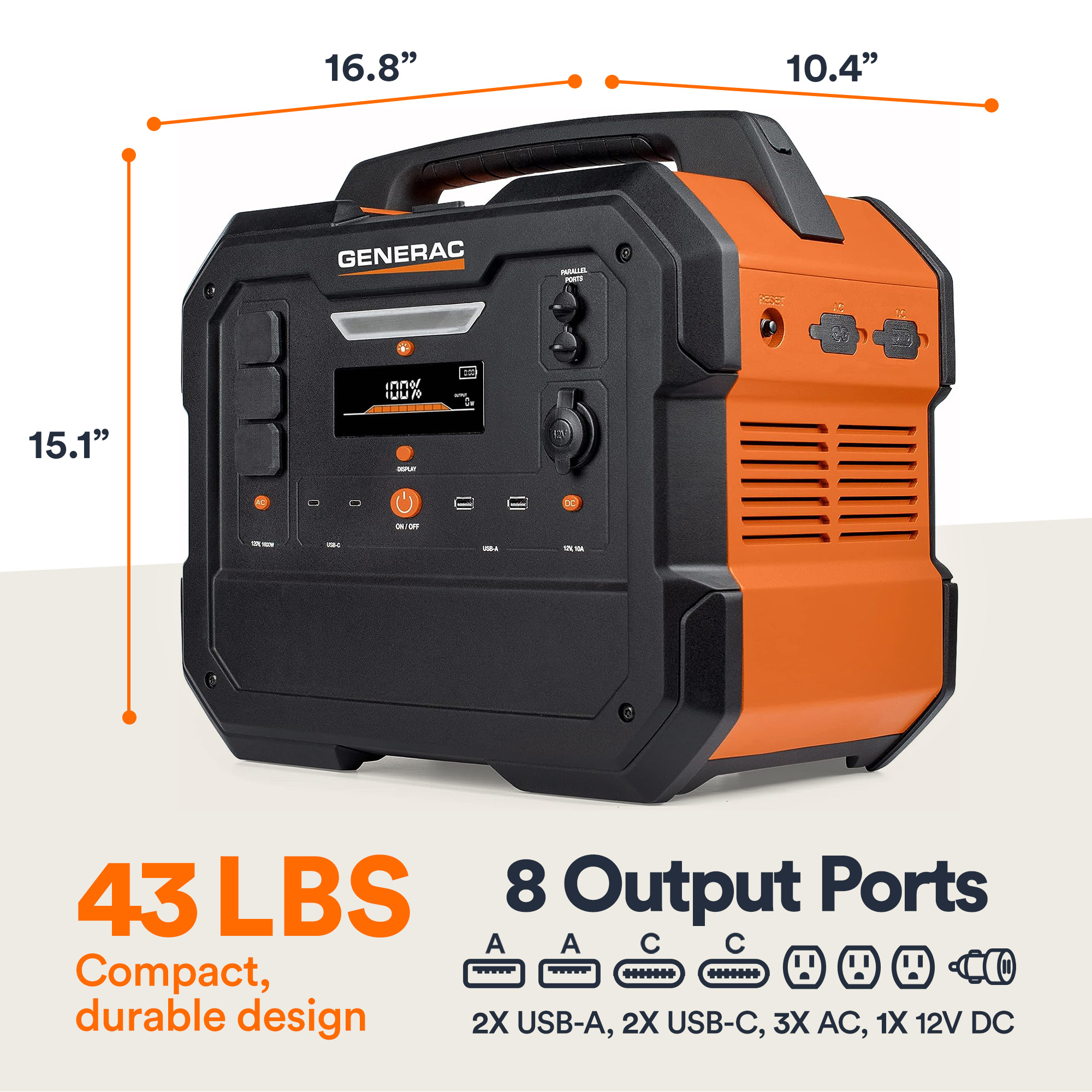
Portable power stations are like big batteries. They store electricityfor later use. People use them during power outagesor when camping. They are easy to move around. You can carry them in cars. They help charge phones, laptops, and even small fridges. Portable power stations are eco-friendly. They don’t make noise and don’t use gas. This makes them safe for indoor use.
- Multiple outletsto charge different devices.
- USB ports for phones and tablets.
- LED displayto show battery level.
- Solar panelcompatibility for charging.
- Lightweight and easy to carry.
- Safe and quiet operation.
Credit: www.generac.com
Gps Tracking Technology
Portable power stations usually do not come with GPS tracking technology. They focus on providing energy solutions for outdoor activities or emergencies. Adding GPS tracking could increase costs and complexity, which might not be necessary for their primary function.
How Gps Works
GPS stands for Global Positioning System. It uses signals from satellites to find locations. There are many satellites in the sky. These satellites send signals to devices on Earth. A device like a smartphone or car receives these signals. By measuring time, the device knows its location. It needs signals from at least four satellites. This helps to make the location very accurate. GPS works anywhere on Earth, even in the middle of the ocean. It does not need the internet to work. This makes it very useful.
Applications Of Gps Tracking
GPS tracking has many uses. It helps in navigation for cars and boats. People use it for hiking and biking to find paths. Farmers use GPS to manage their fields. It helps in tracking lost pets with special collars. Businesses use it to track delivery trucks. This helps in knowing where a package is. GPS also helps in emergency situations. Rescue teams find lost people using GPS. It is a helpful tool in many areas of life.
Integration Of Gps In Power Stations
Some portable power stations now come with GPS tracking. This feature helps users know the location of their device. It’s useful for trips or emergencies. Not all power stations have GPS, though. Before buying, check the product details. Brands are slowly adding this feature. As technology advances, more options may appear. Look for power stations with easy-to-use GPS systems.
- Helps find lost or stolen power stations.
- Useful in emergencies for location tracking.
- Provides peace of mind for users.
- Assists in planning trips with better location data.
- Supports remote monitoring of the power station.

Credit: truegear.com.au
Security And Privacy Concerns
Exploring security and privacy concerns, GPS tracking in portable power stations raises questions. Users wonder if their location is monitored. Understanding these devices’ features is crucial for maintaining privacy.
Data Privacy
Portable power stations may store user data. This can include location information. Privacy is important for many users. Data can be shared without permission. Unauthorized access is a real concern. Users worry about their private data. Protecting this data is vital. Companies must ensure data is safe. They should use strong security measures. Encryption helps keep data private. Transparency about data usage is needed. Users should know how data is handled.
Potential Risks
GPS tracking can pose risks. Location tracking can lead to privacy issues. Stolen data can be misused. Hackers can access private information. Data breaches are harmful. Users can lose control over their data. Tracking can reveal user habits. Unwanted parties may get this data. Safety measures must be in place. Companies should prevent data leaks. Trust is important for users.
Future Trends
Exploring future trends, portable power stations may soon feature GPS tracking. This advancement could enhance security and user convenience, making them more reliable during outdoor activities or emergencies.
Innovations In Power Stations
Power stations are becoming more advanced and smart. They now have features like fast charging and solar panels. Some can even connect to your phone. This makes them very handy. They save time and energy. New designs are also smaller and lighter. They fit easily in backpacks. Safety is a big focus too. Some stations have sensors to stop overheating. These changes make power stations better for everyone.Predictions For Gps Integration
GPS might be added to power stations soon. This will help you find them if lost. It also helps in tracking usage. You can know where your power station is. This is useful for camping trips. You can also share its location with friends. GPS will make power stations even more useful. People will feel safer using them. It is an exciting feature to look forward to. `Frequently Asked Questions
What Is The Disadvantage Of A Portable Power Station?
Portable power stations often have limited battery capacity. They can be bulky and expensive compared to traditional generators. Charging time can be long, and some models may not handle high-wattage appliances well. Their lifespan depends on battery type and usage.
What Is The Difference Between A Power Bank And A Portable Power Station?
A power bank is compact, used for charging small devices like phones. A portable power station is larger, powering appliances like laptops and small appliances. Power banks are lightweight and easy to carry, while portable power stations have higher capacity and more outlets for larger energy needs.
Can You Leave A Portable Power Station Plugged In All The Time?
You shouldn’t leave a portable power station plugged in all the time. It can cause battery degradation. Always follow the manufacturer’s guidelines for charging. Unplug after full charge to prolong battery life. Regularly monitor and maintain your power station for optimal performance and safety.
How Long Will A Portable Power Station Run A Refrigerator?
A portable power station can run a refrigerator for 5 to 24 hours. The duration depends on the power station’s capacity and the fridge’s energy consumption. Check both the power station’s watt-hour rating and the refrigerator’s wattage for a more precise estimate.
Conclusion
Portable power stations usually lack GPS tracking features. They focus on power supply. GPS tracking adds complexity and cost. Essential for some, but not all users. Consider your needs carefully. Do you require location tracking? Or just reliable power? Understand your priorities.
Choose a portable power station that suits you. Simple, efficient, and easy to use. Safety and reliability should come first. Remember, not all devices need every feature. Be informed and make the right choice. Your power needs are unique. Let that guide your decision.