
Imagine you’re on a thrilling camping trip, or perhaps you’re experiencing a sudden power outage at home. Your portable power station is your lifeline, keeping your devices charged and your lights on.
But here’s the catch—do these power stations lose charge over time? This question might have crossed your mind as you rely on these handy gadgets for your power needs. You want your power station to be as reliable as it was on the first day, ensuring that your adventures or emergencies go smoothly.
In this blog post, we’ll delve into the truth about portable power stations and their ability to hold a charge. You’ll discover the factors that affect their performance and learn how to maximize their lifespan. Stay tuned to find out how you can keep your power station running like a champ, whenever you need it.
Understanding Portable Power Stations
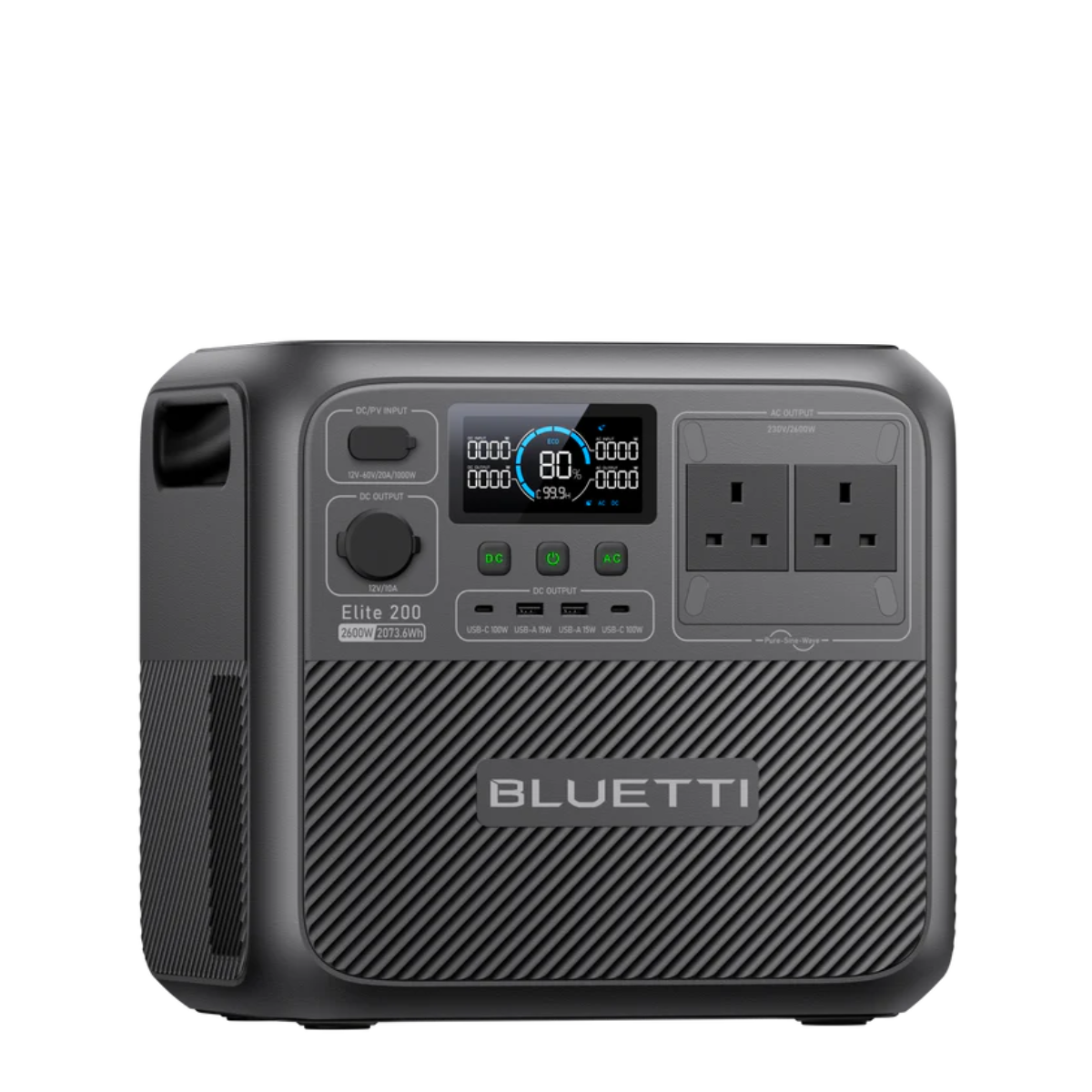
Portable power stations are like big batteries. They store energy for use later. They have important features and componentsthat make them work. A battery is the heart of the station. It holds the energy until you need it. There is also an inverter. It changes battery power into electricity. This is what your devices use.
Many stations have ports for charging. These include USB and AC outlets. Some have solar panels. These help recharge the battery using sunlight. Displays show how much energy is left. They also show how fast it is charging. These features make them useful and easy to use.
These power stations are handy for many activities. People use them during camping trips. They keep lights and small devices powered. They are also great during power cuts. They can charge phones and run small appliances. Some people take them to outdoor events. They can power speakers and lights there. They are very helpful in emergencies too. They provide energy when it’s needed most.

Credit: gizmodo.com
Battery Types In Power Stations
Lithium-ion batteries are very common in power stations. They are light and hold lots of energy. These batteries are also known for their long life. They can charge and discharge many times. Lithium-ion batteries lose charge slowly when not used. This makes them a good choice for portable power.
Lead-acid batteries are older but still used in power stations. They are heavier than lithium-ion batteries. Lead-acid batteries are cheaper and good for short-term use. They lose charge faster when not used. They are also larger and take up more space. This type is often used in cars and big machines.
Factors Affecting Battery Life
Extreme temperatures can harm battery life. Heat causes batteries to lose charge faster. Cold temperatures slow battery performance. Keeping batteries at room temperature helps maintain charge. Avoid direct sunlight or freezing conditions.
Frequent charging and discharging affects battery lifespan. Using full battery power daily can reduce its efficiency. Short, regular charges help keep batteries healthy. Avoid draining battery completely. Try to charge when battery is around 50%.
Self-discharge Explained
Batteries lose charge due to a natural process. This is called self-discharge. It happens even if the battery is not used. Small currents flow inside the battery. This drains power over time.
Different batteries have different chemistry. This affects how fast they lose charge. Lithium-ionbatteries hold charge longer. Nickel-basedbatteries lose charge faster. Temperature also plays a role. Warm places make batteries lose charge faster. Keeping batteries cool helps them last longer.
Maintenance Tips For Longevity
Store the power station in a cool, dry place. Keep it away from direct sunlight. Avoid areas with high humidity. Use a protective cover if available. Ensure the area is free from dust. Dust can damage the device over time. Place it on a stable surface. This helps prevent accidental falls.
Charge the station every few months. This keeps the battery healthy. Avoid letting the battery drop to zero. Always unplug once fully charged. Check the cables for damage regularly. Damaged cables can affect charging. Never overcharge the power station. Overcharging can reduce battery life.

Credit: www.jackery.com
Comparing Brands And Models
Portable power stations can gradually lose charge over time due to battery degradation. Comparing brands and models reveals differences in battery longevity and efficiency. Choosing the right portable power station depends on usage frequency and storage conditions.
Durability And Performance
Different brands offer unique features in their power stations. Some models are known for their long-lasting batteries. Others may prioritize quick charging capabilities. Durability is a key factor in making a choice. Power stations should withstand rough conditions. Performance can vary widely between models. It’s important to check battery life and output capacity. High-quality materials ensure better durability and performance.
Consumer Reviews
Consumer reviews provide real-world insights. Many users share their experiences online. Reading reviews helps understand common issues. Look for reviews that mention battery life. Satisfied customers often highlight reliability. Negative reviews might point out weak points. Consider the number of reviews and ratings. A product with many reviews often gives a clearer picture. Reviews can guide you in choosing the best power station.
Innovations In Battery Technology
Battery technologyhas seen great improvements over the years. Modern batteries hold charge longer. This means portable power stations last longer. New designs are more energy efficient. This helps reduce the loss of charge. Portable power stations become more reliable. This is a big step forward for technology users.
Advancements In Energy Efficiency
Energy efficiency has grown rapidly. Batteries now use energy smarter. Less energy is wasted. This makes devices last longer. High energy efficiency means less frequent charging. Users enjoy more time with their devices. This is important for daily use.
Future Trends
The future looks bright for battery technology. New materials are being tested. These could make batteries even better. Energy storage might become faster. Devices could charge in minutes instead of hours. This means portable power stations will improve. They will charge quicker and last longer.
Credit: www.techradar.com
Frequently Asked Questions
How Long Do Portable Power Stations Hold Charge?
Portable power stations typically hold charge for 3 to 6 months when not in use. Usage frequency, battery type, and storage conditions can affect duration. Regularly check and recharge every few months for optimal performance.
Do Portable Chargers Lose Charge Over Time?
Yes, portable chargers lose charge over time. Battery capacity decreases due to repeated charging and discharging. Proper storage and usage can slow this degradation. High temperatures and overcharging can accelerate the loss. Regularly using and maintaining the charger helps extend its lifespan.
What Is The Lifespan Of A Portable Power Station?
The lifespan of a portable power station typically ranges from 3 to 10 years. Factors like usage frequency, battery type, and maintenance can affect longevity. Regular care and proper storage extend its life. Always follow the manufacturer’s guidelines for optimal performance and durability.
How Often Should You Charge A Portable Power Station?
Charge your portable power station every 3-6 months if not in use. Regular use requires charging after each use. Always follow manufacturer guidelines for optimal battery health and performance. Keeping it charged ensures readiness in emergencies and prolongs lifespan.
Conclusion
Portable power stations do lose charge over time. Like any battery, they naturally discharge. Factors like usage, temperature, and storage affect this. Regular maintenance helps maintain battery life. Charge them periodically, even when unused. Store them in cool, dry places.
Avoid exposing them to extreme temperatures. Opt for power stations with good reviews. They often have better longevity. Proper care ensures your power station remains reliable. It’s a practical investment for many situations. Keep these tips in mind. Enjoy consistent power whenever needed.