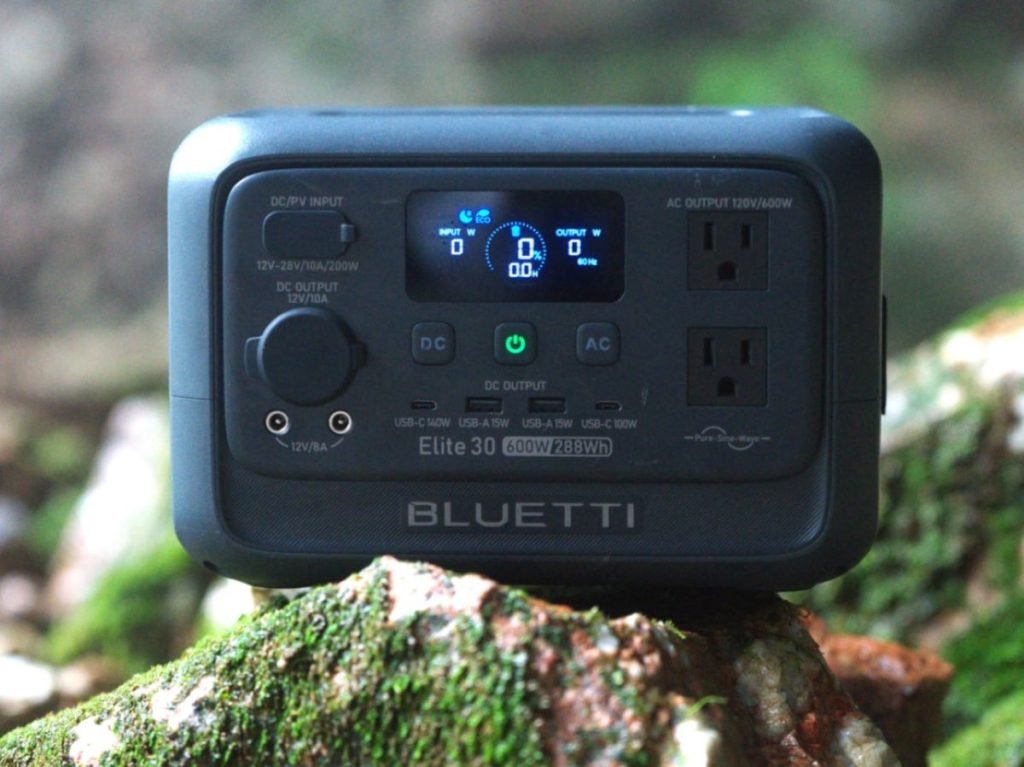
Imagine you’re out in nature, savoring the peace and quiet, when suddenly you hear a buzz or hum disrupting your tranquility. If you’re considering purchasing a portable power station, you might wonder whether it’ll contribute to noise pollution or maintain the serene environment you cherish.
Understanding the sound levels of these devices is crucial, especially if you plan to use them in quiet settings or during camping trips. You’ll discover whether portable power stations make noise, how they compare to traditional generators, and whether they’re the right choice for maintaining your peaceful surroundings.
Let’s dive into the details and ensure your next power source keeps your adventures undisturbed and harmonious.

Credit: www.cnet.com
Understanding Portable Power Stations
Portable power stations come in different types. Some are small and light, while others are big and powerful. They use batteries to store energy. The most common types are lithium-ion and lead-acid. Lithium-ion is popular because it is lightweight. Lead-acid is known for being strong. Some have a solar panel option. This helps in charging without electricity. Features vary by model. Look for USB ports, AC outlets, and LED displays. These features make them easy to use. Some even have built-in flashlights.
People use portable power stations for many reasons. They are great for camping. You can charge phones, tablets, and lights. They are also useful in emergencies. If the power goes out, they provide backup. You can keep your fridge running. They are handy for outdoor events too. Use them at a picnic or a party. They keep your devices powered. This makes them valuable in many situations.

Credit: electrek.co
Noise Levels In Power Stations
Portable power stations usually make low noise. The noise is often less than 60 decibels. This is similar to a normal conversation. Some power stations can be even quieter. Always check the label for decibel levels. Lower decibels mean less noise.
Low noise levels help keep the surroundings peaceful. Quiet power stations are good for camping and outdoor activities. They won’t disturb neighbors or wildlife. This makes them perfect for quiet places. Always choose power stations with low noise for a better experience.
Factors Influencing Noise Production
Portable power stations often produce noise due to their cooling fans and inverter systems. The type and design of the unit significantly affect noise levels. Battery capacity and power output also play roles in how much sound is generated.
Design And Build
Some power stations are built for quiet operation. Their design uses materials to reduce noise. Compact designs often make less sound. Larger models might be louder. Fans inside help cool the unit. These fans can add noise. Quality of components affects noise levels too. Good parts make less sound.
Power Output
Power stations with higher outputs can be louder. More power means more cooling is needed. This can increase noise. Smaller power outputs usually mean quieter operation. Noise varies by model and brand. Efficiency plays a role. Efficient units make less noise. They need less energy to run.
Comparing Noise Levels
Battery-powered power stations are very quiet. They produce almost no noise. This makes them great for indoor use. Gas-powered stations can be very loud. They sound like a small engine running. This noise can be disturbing in quiet places. Battery-powered options are better for peaceful environments. People often choose them for camping trips.
Different brands make different noise levels. Some are quieter than others. Always check noise ratings before buying. Some brands focus on making quieter models. Others don’t prioritize noise reduction. Reading reviews can help find a quiet option. Customer feedback often highlights noise issues. Choosing a known brand can ensure quality. This helps in getting a quiet power station.
Technological Advances
Portable power stations typically produce minimal noise compared to traditional generators. They are designed for quiet operation, making them suitable for indoor and outdoor use. This feature enhances their appeal for camping, emergencies, and home use.
Noise Reduction Innovations
Portable power stations are getting quieter. New technology helps reduce noise. Engineers use better materials to block sound. Fans are quieter than before. This helps keep noise levels low. Soundproofingmaterials are often used too. They help block noise from escaping. Many power stations have smart cooling systems. These systems run only when needed. This way, they make less noise.
Future Trends
Future power stations may be even quieter. Companies are working on new ideas. Advanced batteriescould make less noise. These batteries might need fewer fans. New cooling methods are being tested. These methods are more silent. Noise control will keep improving. Portable power stations will become more user-friendly. Quiet machines are better for many activities. Camping, hiking, and outdoor events will be more peaceful.
Practical Tips For Consumers
Portable power stations generally operate quietly, making them suitable for use in noise-sensitive areas. Their minimal noise levels offer a peaceful power solution for camping or emergency situations. Always check the product specifications to ensure the device meets your noise level expectations.
Choosing Quiet Models
Portable power stations can be quiet. Look for models marked as low-noise. Check the decibel (dB) rating. Lower dB means less noise. Battery type affects sound. Lithium-ion batteries are quieter. Read user reviews for noise feedback. Some brands focus on quiet operation. Compare different models before buying.
Considerations For Usage
Use power stations away from sleeping areas. Place them on soft surfaces. This reduces vibration noise. Ensure proper ventilation for cooling. Keep it away from walls or corners. Avoid high power usage. It can increase sound levels. Maintain the station regularly. Clean fans and vents for quieter performance. Choose a size that fits your needs. Bigger isn’t always better.

Credit: rvbusiness.com
Frequently Asked Questions
Are Portable Power Stations Noisy?
Portable power stations are generally quiet. They use lithium batteries, not traditional fuel, which reduces noise. Most units operate below 60 decibels, ensuring a peaceful environment. They are ideal for camping, emergencies, and indoor use. Always check specific model noise levels for confirmation.
Are Portable Power Stations Quiet?
Yes, portable power stations are generally quiet. They use battery power, which doesn’t produce noise like traditional generators. Ideal for indoor use and quiet environments.
What Are The Disadvantages Of A Portable Power Station?
Portable power stations often have limited battery capacity. They can be expensive compared to traditional generators. Charging times might be lengthy. Some models may not support high-power appliances. They can be bulky, making them less convenient for travel.
How Loud Is A Power Station?
A power station typically produces noise levels between 70 to 90 decibels. This is comparable to city traffic. Noise levels vary depending on the type of machinery and operational activity. Proper soundproofing can help reduce noise pollution in surrounding areas.
Always consider local regulations when assessing noise impacts.
Conclusion
Portable power stations typically operate quietly. This makes them ideal for camping trips. You can enjoy peaceful nights without noise disturbance. Always check the product specifications before buying. Some models may have slight hums. Overall, they are quieter than generators.
Perfect for outdoor enthusiasts and home use. They provide reliable power without causing disruptions. Consider your needs and environment. Choose a model that fits your lifestyle. Quiet and efficient power is within reach.