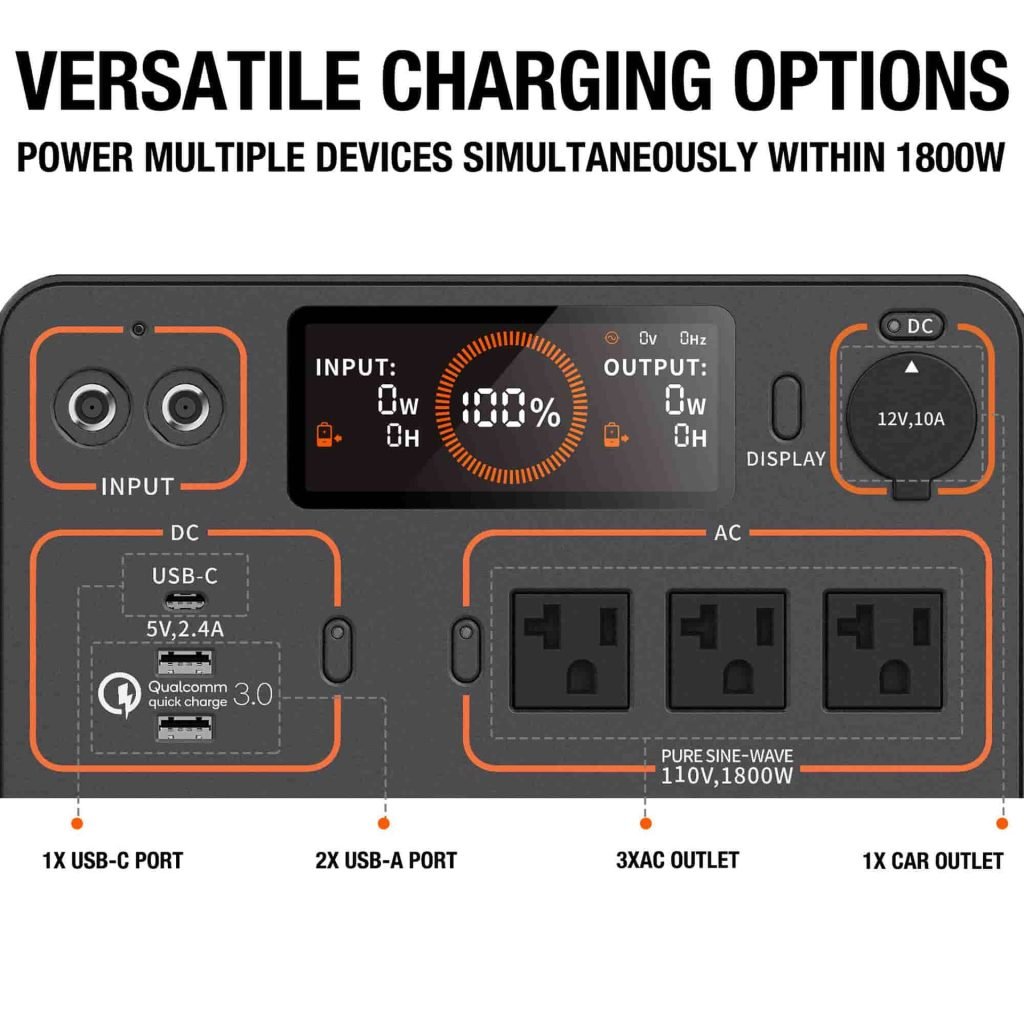
Have you ever found yourself wondering about the inner workings of your portable power station? You’re not alone.
Whether you’re camping in the great outdoors or facing an unexpected power outage at home, these compact devices can be lifesavers. However, they need to work efficiently to give you peace of mind. This brings us to a crucial question: do portable power stations need a voltage regulator?
Imagine plugging in your sensitive electronics like your smartphone or laptop, only to discover that fluctuating power levels have caused damage. It’s a scenario no one wants to face. Understanding whether your portable power station requires a voltage regulator can protect your devices and ensure reliable power delivery. We’ll explore the function and importance of voltage regulators in portable power stations. You’ll discover how they work and why they might be essential for your setup. Stick around to learn how you can keep your devices safe and get the most out of your portable power station.
Understanding Portable Power Stations
Portable power stations are like big batteries. They store energy for later use. People use them for camping and emergencies. These devices are safe and easy to carry. They power phones, lights, and small appliances. You don’t need to worry about running out of power. Solar panels can charge them too. This makes them eco-friendly. Always check the power capacity before buying. A bigger capacity means more power. This ensures your devices run longer.
- Lithium-Ion: Lightweight and long-lasting.
- Lead-Acid: Heavier but more affordable.
- Solar-Powered: Charges with sunlight.
- Gas-Powered: Uses gas to generate electricity.
Choose the type that fits your needs. Each has its pros and cons. Consider size, weight, and power output. Always ensure it meets your power needs.
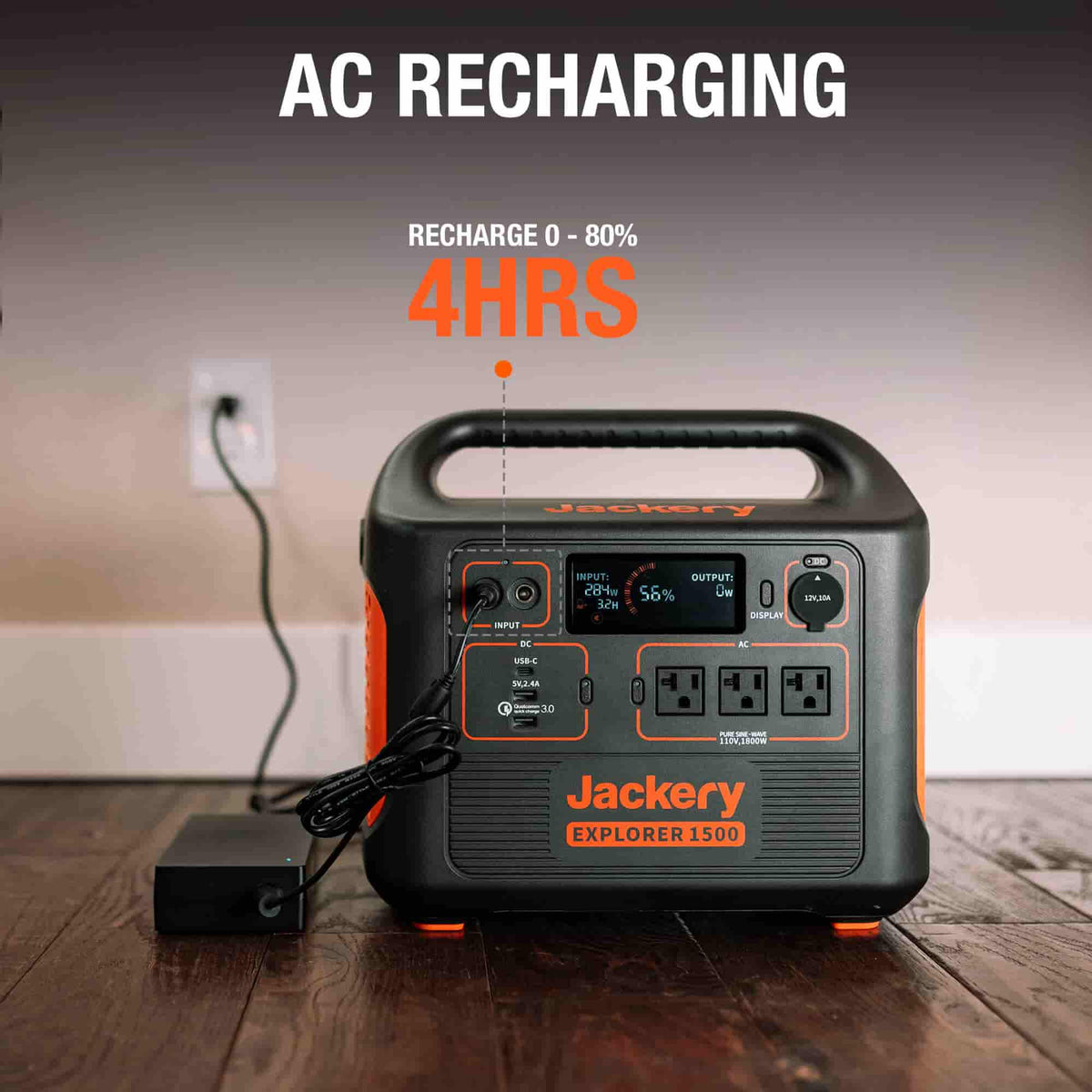
Credit: ca.jackery.com
The Role Of Voltage Regulators
Portable power stations may require a voltage regulator to ensure stable power output. Voltage regulators prevent fluctuations that can harm connected devices and enhance the power station’s efficiency and reliability.
Basics Of Voltage Regulation
Voltage regulators keep power steady. They stop power from changing too much. This is important for devices. Devices need the right amount of power. Too much can hurt them. Too little won’t work well. Voltage regulators help keep things safe. They make sure devices get what they need.
Benefits Of Using Voltage Regulators
- Protects devices from too much power.
- Keeps power at the right level.
- Makes devices last longer.
- Helps devices work better.
- Stops power from going up and down.
Assessing Voltage Requirements
Portable power stations might need a voltage regulator to ensure consistent energy flow. A stable voltage prevents damage to connected devices and enhances performance. Assess voltage requirements to determine if a regulator is necessary for your setup.
Common Voltage Needs For Devices
Different devices need different voltages to work. Most phones need 5 volts. Laptops usually need 19 volts. Tablets often use 12 volts. Knowing your device’s voltage is important. Wrong voltage can damage your device. It may also cause your device to not work. Make sure to check your device’s voltage label. This helps you use the right power source.
Impact On Performance And Safety
Using the wrong voltage can affect performance. Devices may slow down or stop working. Safety is also a concern. Incorrect voltage can cause overheating. This might lead to fires or damage. A voltage regulator can help. It keeps voltage levels safe for devices. This ensures your devices work well. It also keeps them safe from harm.
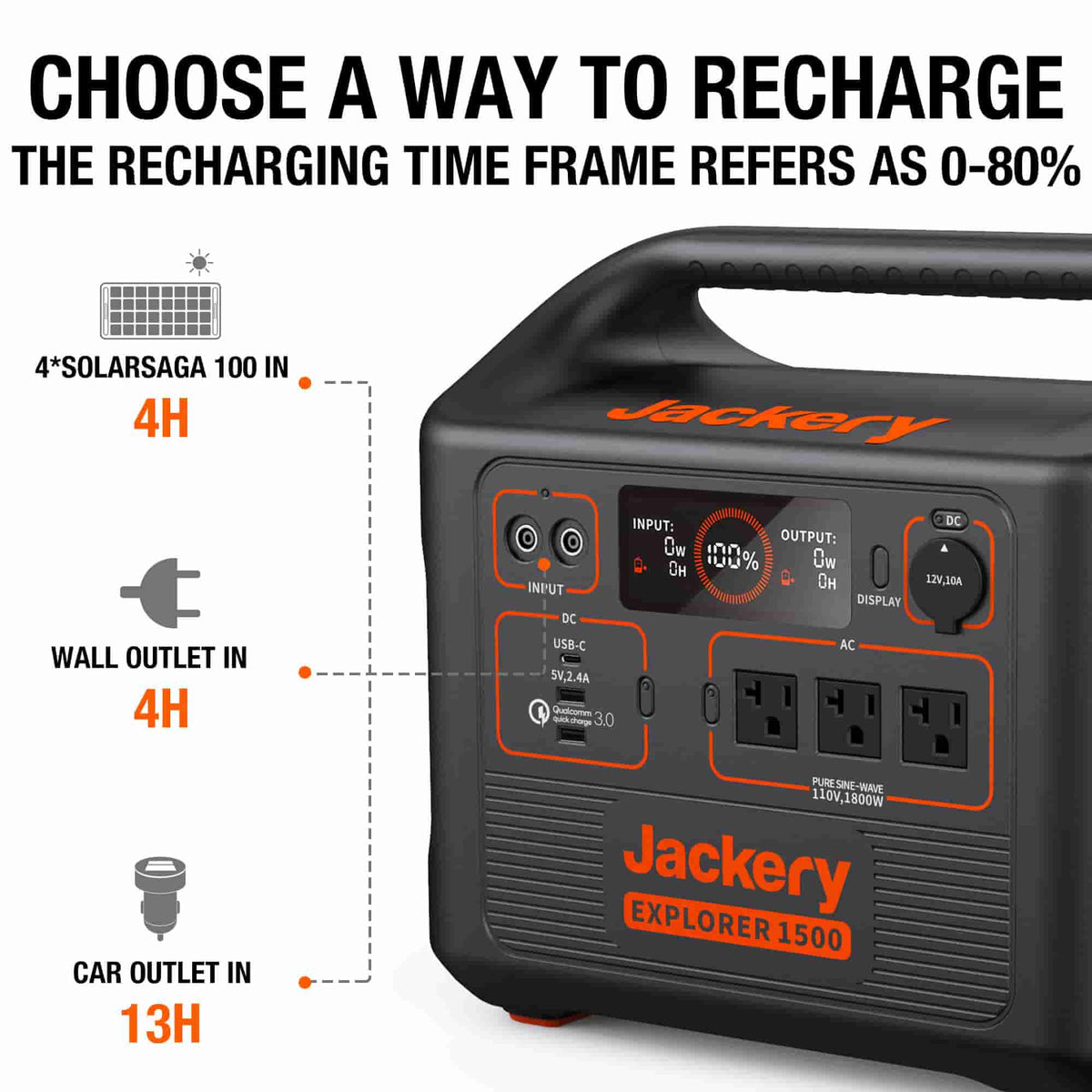
Credit: ca.jackery.com
Advantages Of Integrated Voltage Regulators
Integrated voltage regulators keep the power stable. They ensure devices work smoothly. No sudden power drops occur. This stability helps all gadgets run better. Stable power means fewer interruptions. Devices perform tasks efficiently. Work gets done faster and easier.
Voltage regulators guard against sudden changes. They prevent damage from high voltage spikes. This protection keeps your devices safe. No harm comes from electrical surges. Equipment lasts longer with this safeguard. It avoids costly repairs and replacements. Your electronics stay secure and reliable.
Potential Challenges And Solutions
Portable power stations may face compatibility issueswith voltage regulators. Different devices need different voltages. Using the wrong voltage can damage devices. Check the voltage output of your power station. Compare it with your device’s needs. If they don’t match, you might need a regulator. A voltage regulator helps in matching the voltages. This ensures safe and efficient power use. Always read the device manual first. Some devices have built-in voltage protection. If unsure, seek help from a technician.
- Know your device’s voltage needs.
- Choose a regulator with adjustable settings.
- Ensure the regulator can handle your power station’s output.
- Look for regulators with safety features.
- Read reviews and check user feedback.
- Consult with an expert if needed.
Future Trends In Portable Power Technology
Future trends in portable power technology focus on safety and efficiency. Portable power stations benefit from voltage regulators to protect devices from power surges. Ensuring stable output, these regulators help maintain device longevity and performance.
Innovations In Voltage Regulation
Voltage regulation is becoming smarter and more efficient. New circuits help manage power better. These circuits keep devices safe and prevent overloads. Smart chips are used to control voltage automatically. This makes power stations more reliable. Portable power can be used with many devices safely.
Advancements In Battery Technology
Batteries are getting better and stronger. New materials make them last longer. They charge faster too. Some batteries are lighter and more powerful. This makes them easy to carry. Portable power stations can now store more energy. This helps when devices need power for many hours.
Credit: dashcamtalk.com
Frequently Asked Questions
Do You Need A Charge Controller For A Portable Power Station?
Most portable power stations have built-in charge controllers. External charge controllers are not usually needed. Always check the manufacturer’s specifications for your device to ensure compatibility and optimal performance. This setup simplifies usage and prevents overcharging, ensuring the longevity of your power station.
Can You Run A Generator Without A Voltage Regulator?
Running a generator without a voltage regulator can damage equipment. Voltage fluctuations may harm sensitive devices. A voltage regulator stabilizes the output, ensuring safe operation. Always use a regulator for consistent performance and protection.
What Is The Disadvantage Of A Portable Power Station?
Portable power stations can be expensive and have limited energy storage. They require regular recharging and may not support high-power devices. Their lifespan may reduce with frequent use, and they can be heavy, limiting portability.
What Is The Difference Between A Power Bank And A Portable Power Station?
A power bank charges small devices like phones; portable power stations power larger electronics and appliances. Power banks are compact, while power stations are bulkier with higher capacity. Power stations often feature multiple outlets and support diverse voltage requirements, ideal for outdoor and emergency use.
Conclusion
Choosing the right portable power station is crucial. Voltage regulators can help maintain stable power. They protect your devices from damage. Consider the power needs of your gadgets. Check the power station specifications closely. Make sure it includes a voltage regulator.
A reliable power supply ensures your devices work safely. It also extends their lifespan. Investing in a power station with a voltage regulator is wise. It offers peace of mind during use. Stay prepared and powered, no matter where you go.
Prioritize safety and efficiency in your power solutions. Enjoy reliable energy on the go.