
Imagine this: you’re on a thrilling adventure in a hot climate, relying on your trusty portable power station to keep your devices charged and your essential gadgets running. But as the sun blazes down, a nagging question arises—could your power station overheat and leave you stranded?
If you’ve ever wondered about the reliability of portable power stations in sizzling temperatures, you’re not alone. This article is your guide to understanding how heat affects these devices. By the end, you’ll know how to keep your power station running smoothly, even in the hottest conditions.
Dive in, and ensure your adventures stay powered up without a hitch!

Credit: www.popularmechanics.com
Portable Power Station Basics
Portable power stations can overheat in hot climates, impacting performance. Proper ventilation and shading help prevent overheating, ensuring reliability. Regular temperature checks and avoiding direct sunlight keep them functioning smoothly.
Components And Design
Portable power stations have different parts that work together. The battery is the main part. It stores and provides energy. Inverters change battery power to usable electricity. Charge controllers help manage battery charging. They stop overcharging and overheating. The station has outlets for plugging in devices. Cooling systems help prevent overheating. Good design keeps parts safe from heat. This helps the station work well in hot places.Common Uses And Applications
Portable power stations are used in many ways. They are great for camping trips. You can charge phones or lights. They are useful in power outages. They keep fridges and fans running. People use them at outdoor events. They power speakers and lights. They are also used in emergencies. They help charge radios and medical devices. Many people use them for work. They power tools and laptops. Portable power stations are handy in different situations. `Heat And Electronics
Portable power stations can overheat in hot climates. Heat affects battery performance and efficiency, leading to potential damage. Proper ventilation and shade can help manage temperature issues.
Effects Of Temperature On Performance
Heat affects electronic devices. High temperatures slow them down. Portable power stations are no different. Their performance drops in hot climates. The battery life decreases. Charging takes longer. Components inside can overheat. This reduces efficiency.
Risks Of Overheating
Overheating is a real danger. It can cause permanent damage. The device might shut down suddenly. Fire hazards increase when temperatures rise. Always store devices in cool places. Avoid direct sunlight. Use in shaded areas when outdoors. Protect your power station from extreme heat.
Climate Impact On Power Stations
Portable power stationsface challenges in hot climates. High temperatures can affect their performance. Heat can reduce battery life and efficiency. Cooling systems work harder in hot weather. This may lead to overheating risks. Some power stations have built-in cooling features. Others need external ventilation. Proper placement helps avoid direct sunlight exposure. Regular maintenance is important to ensure reliability.
Challenges In Hot Environments
Hot environments put extra strain on power stations. Heat increases the risk of component failure. Batteries may lose charge faster. Electronics can malfunction under extreme heat. Protecting devices from heat is crucial. Users should monitor temperature levels closely. Insulating materials can help reduce heat impact. Ensuring proper airflow is essential for safe operation.
Regional Differences
Different regions experience varying temperature levels. Tropical regions are hotter than temperate ones. Power stations may need adjustments based on location. Local climate affects how they operate. Users in hot areas should choose devices wisely. Cooler regions may have fewer overheating concerns. Understanding regional climate helps make informed choices.
Credit: vtoman.com
Cooling Mechanisms
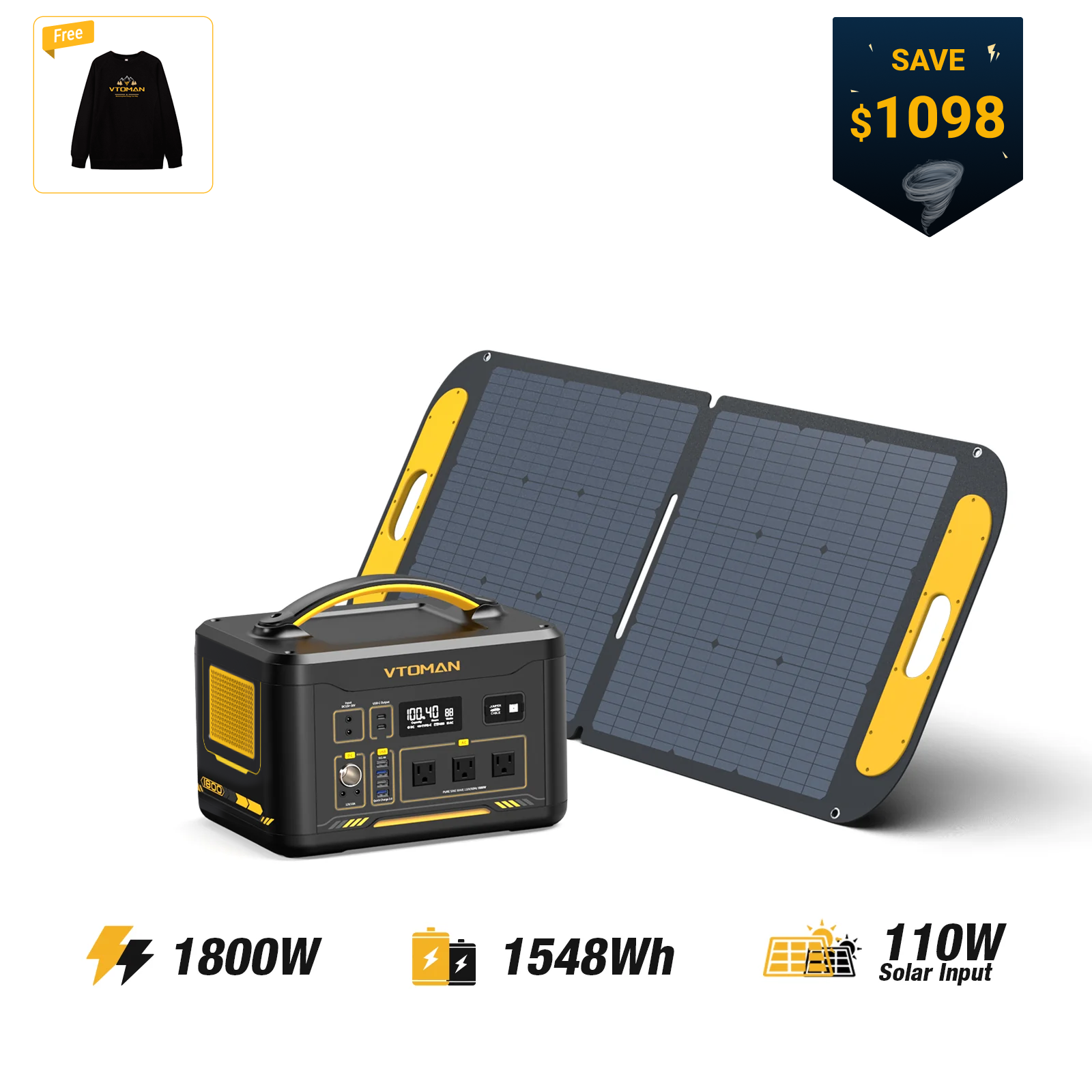
Portable power stations often have built-in cooling systems. Fans are commonly used. These fans help push hot air out. This keeps the device cool. Some stations have air vents. Air vents allow more air flow. This helps reduce heat build-up. Proper cooling extends the life of the device. It also ensures safety when using the station.
External methods can cool power stations too. Placing the station in a shade helps. Shade reduces direct sun heat. You can use a cooling mat. Cooling mats absorb heat. They keep the station cooler. Always check the station’s temperature. If it feels too hot, turn it off. Let it cool down before using again.
User Practices
Keep portable power stations away from direct sunlight. This helps them stay cool. Use a fan to improve air flow around the device. Avoid covering it with blankets or clothes. Always use the power station in a shaded area. This reduces the risk of overheating. Never leave it in a closed car on hot days. Monitor the device’s temperature regularly. Turn it off if it feels too warm. Follow the manufacturer’s instructionsfor safe use. These steps ensure your power station works well in hot climates.
Clean the vents regularly to prevent dust buildup. This helps with cooling. Check for any signs of wear or damage. Replace worn-out parts immediately. Store the device in a cool place when not in use. This extends its lifespan. Avoid overcharging the battery as it can cause heat. Use original chargers to avoid damage. Charge it during cooler times, like early morning or evening. Regular checks and proper care keep your power station safe and efficient.
Advancements In Technology
Portable power stations are now safer in hot climates. Improved designshelp them manage heat better. They use smart cooling systemsto avoid overheating. Fans and vents help keep the temperature low. Heat-resistant materialsmake them reliable in extreme heat. These stations have sensors to monitor temperature changes. This prevents damage and ensures safety.
Improved Thermal Management
Modern power stations have advanced features. They use thermo-regulationto keep cool. This means they adjust automatically. It helps them work longer without issues. Better insulationprotects internal parts from heat. This improves performance and durability. Users find them dependable in any climate.
Future Trends
New technologies are emerging for portable power stations. Engineers are working on solar-powered coolingsystems. This can help in hot sunny areas. Research is focusing on nano-materialsfor better heat resistance. Companies aim to make power stations smarter. AI integrationmight help monitor and adjust temperatures.

Credit: vtoman.com
Frequently Asked Questions
Do Portable Power Stations Get Hot?
Portable power stations can get warm during use. Proper ventilation prevents overheating. Avoid covering them. Always follow manufacturer guidelines for safe operation.
What Is The Disadvantage Of A Portable Power Station?
Portable power stations have limited battery capacity. They may not power high-energy devices for extended periods. Some models are bulky and expensive. Charging times can be long, and they require consistent maintenance. Their reliance on battery technology means efficiency decreases over time.
Can You Leave A Portable Power Station Plugged In All The Time?
It’s generally not recommended to keep a portable power station plugged in constantly. This can cause battery degradation. Always refer to the manufacturer’s instructions for optimal charging practices and safety guidelines. Regularly unplugging after a full charge can help extend the battery’s lifespan.
Are Portable Power Stations A Fire Hazard?
Portable power stations can be a fire hazard if used improperly. Always follow the manufacturer’s guidelines. Ensure proper ventilation and avoid exposure to extreme temperatures. Regularly inspect for damage. Use only compatible devices and accessories to reduce risks. Proper usage and maintenance help ensure safety.
Conclusion
Portable power stations can overheat in hot climates. It’s crucial to manage their temperature. Ensure they are placed in shaded areas. Avoid direct sunlight exposure. Regularly check the device for signs of overheating. Use fans or cooling pads to help.
Follow the manufacturer’s guidelines closely. This ensures safe and efficient operation. A little care goes a long way. Keep your devices running smoothly. Enjoy your portable power without worries. Remember, prevention is better than cure. Safe practices protect your investment.
Stay informed and proactive for best results.