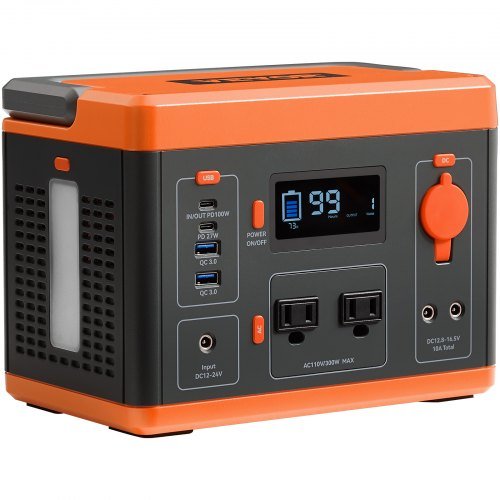
Imagine this: you’re on a camping trip, surrounded by nature, with your phone battery dwindling and no outlet in sight. What if you had a compact device that could bring your gadgets back to life?
Portable power stations are becoming essential tools for outdoor enthusiasts and those seeking reliable backup power. But have you ever wondered what powers these devices? If you guessed lithium batteries, you’re on the right track. You’ll uncover the inner workings of portable power stations and learn why lithium batteries are the heart of these efficient devices.
Whether you’re a tech enthusiast or just curious, understanding the power behind your power station can redefine your experience. Keep reading, and you’ll discover the surprising benefits and potential limitations of lithium-powered stations, helping you make informed choices for your next adventure or emergency preparedness plan.

Credit: www.jackery.com
Portable Power Stations: An Overview
Portable power stations are handy devices for power needs. They are like giant batteries that can go anywhere. People use them for camping or during power cuts. Most of these stations use lithium batteries. Lithium batteries are popular because they are light and powerful. This means they store a lot of energy.
Other types of batteries are heavier and less efficient. Lithium batteries also charge quickly. This makes them perfect for portable stations. They last a long time too. This means you can use them many times before they wear out. Many people like them because they are safe and reliable.
Some stations have extra features. These include USB ports and AC outlets. This allows you to charge phones and run small appliances. Portable power stations are great for those who love the outdoors. They are also useful in emergencies.
Types Of Batteries In Portable Power Stations
Lead-acid batteries are old but still in use. They are heavy and not as efficient. These batteries are less expensive but have shorter life spans. Charging takes longer, and they discharge quickly. Ideal for short-term use or backup power. They need regular maintenance. These batteries are bigger in size. Suitable for larger power stations.
Lithium-ion batteries are light and efficient. They last longer than lead-acid. These batteries charge quickly and hold more energy. Ideal for daily use and travel. No regular maintenance needed. They are more expensive but worth it. Smaller in size, fitting easily into compact power stations. Safer and more reliable for modern needs.
Why Lithium-ion Is Popular
Lithium-ion batteries are very efficient. They store energy well and last long. These batteries charge quickly, saving time. They work well in hot or cold places. This makes them reliable for many uses. Their performance stays strong even with heavy use. These reasons make them a top choice for portable power stations.
Lithium-ion batteries are lightweight. This makes them easy to carry. They make devices smaller and simpler to move. This is important for people who travel a lot. Portable power stations with lithium batteries are compact. They fit well in backpacks or bags. Their lightness and small size make them user-friendly.
Comparing Battery Technologies
Portable power stations often rely on lithium batteries due to their efficiency and lightweight nature. These batteries provide reliable energy storage, ideal for powering devices on the go. Lithium technology is favored for its fast charging and long-lasting performance.
Cost Considerations
Portable power stations often use lithium batteries. These batteries are expensive. They have a high energy density. This means they store more power in less space. Lithium batteries last longer. They need fewer replacements. This saves money over time. Other batteries might be cheaper upfront. But they might wear out faster. That means spending more in the long run.
Environmental Impact
Lithium batteries are more eco-friendly. They produce less waste. Recycling them is easier. They have a lower carbon footprintthan other batteries. Lead-acid batteries can harm the environment. They release harmful chemicals. Lithium batteries are safer for the planet. Choosing lithium helps protect nature.
Safety Features Of Lithium Batteries
Portable power stations commonly use lithium batteries for enhanced safety and efficiency. These batteries feature built-in protections against overheating and short circuits. They ensure reliable power for various devices.
Built-in Protections
Lithium batteries have smart built-in protections. These features help prevent overheating and fires. They have circuits that stop overcharging. If the battery gets too hot, it shuts off. This keeps it safe for users. The smart system monitors the battery’s health. It checks for any issues. This keeps the battery working well.
Usage Precautions
- Do not expose batteries to water.
- Keep them away from heat sources.
- Follow the charging instructions carefully.
- Use only recommended chargers for safety.
- Store them in a cool, dry place.

Credit: www.amazon.com
Future Of Portable Power Technologies
Portable power stations are increasingly using lithium batteries for efficient energy storage. These batteries offer lightweight and long-lasting power solutions. Lithium technology enhances portability and reliability, meeting modern energy needs effectively.
Advancements In Battery Tech
Battery technology is moving quickly. Lithium batteries are common now. They are lightweightand can store a lot of power. This makes them popular for portable power stations. New battery types are being developed. These might replace lithium batteries soon.
Emerging Alternatives
Some new battery types are safer. They can store more power. Solid-state batteriesand graphene batteriesare examples. Solid-state batteries have no liquid. This makes them less likely to catch fire. Graphene batteries charge faster. They might be the future of portable power.

Credit: www.amazon.com
Frequently Asked Questions
What Batteries Do Portable Power Stations Use?
Portable power stations typically use lithium-ion or lithium iron phosphate (LiFePO4) batteries. These batteries offer high energy density, efficiency, and long lifespan. Lithium-ion batteries are lightweight and charge quickly, while LiFePO4 batteries are known for their stability and safety. Both types provide reliable power for various applications.
Do Portable Power Banks Have Lithium Batteries?
Yes, most portable power banks use lithium-ion or lithium-polymer batteries. These batteries are popular due to their high energy density and lightweight. Portable chargers rely on lithium technology for efficient power storage and longer lifespan, making them ideal for charging smartphones, tablets, and other devices.
How Do You Tell If A Battery Is A Lithium Battery?
Check for “Li-ion” or “Lithium” on the label. Lithium batteries are lightweight with a high energy density. They often have a rectangular shape. Look for a voltage rating of 3. 7V or similar. Ensure the battery is rechargeable, as most lithium batteries are.
Are Jackery Power Stations Lithium?
Yes, Jackery power stations use lithium-ion batteries. They are known for their lightweight and efficient energy storage. These batteries provide reliable power for various devices, making Jackery a popular choice for portable energy solutions. Their technology ensures long-lasting performance and quick recharging capabilities.
Conclusion
Portable power stations often rely on lithium batteries. These batteries offer efficiency and compactness. They charge quickly and last longer. This makes them a popular choice. Users can enjoy portable power anywhere. Ideal for camping, emergencies, or travel. Lithium batteries are also lighter.
This makes carrying easy and convenient. As technology advances, lithium remains a top choice. Understanding their benefits helps in making informed decisions. Always consider battery type when choosing a power station. It’s crucial for performance and reliability.