
Have you ever found yourself in the heart of the mountains, surrounded by breathtaking views, yet worried about keeping your devices charged? Portable power stations offer a convenient solution, but do they really work at high altitudes?
You might wonder if the thinner air and colder temperatures could affect their performance. Imagine planning your next adventure without the fear of losing power. Understanding how these devices function in challenging conditions could be the key to a seamless experience.
This article will delve into the specifics, ensuring you’re equipped with all the knowledge you need before your next high-altitude escape. Are you ready to discover if your portable power station can keep up with your wanderlust? Keep reading to find out.
Understanding Portable Power Stations
Understanding the effectiveness of portable power stations at high altitudes is crucial for outdoor enthusiasts. At elevated levels, they continue to function, though performance may slightly vary due to thinner air affecting battery efficiency.
Types Of Portable Power Stations
Portable power stations are handy devices. They provide electricity when you are away from home. There are different types. Some use batteries, and some use solar panels. Battery types are easy to use and charge. Solar types are great for sunny days. Both types have advantages and disadvantages. Choosing the right one depends on your needs.
Key Features And Components
Key features make power stations useful. They have multiple outlets for different devices. USB ports charge phones and tablets. Some have AC outlets for bigger devices. A display screen shows battery life and usage. Many are lightweight and compact. This makes them easy to carry. These features help in many situations. Always check these before buying one.
High Altitude Challenges
Exploring high altitudes? Portable power stations can be less effective due to lower oxygen levels. Devices may discharge faster, impacting performance.
Effects Of Altitude On Electronics
High altitudes can be tough for electronics. The air is thinner. This means less oxygen. Electronics might get hotter because of less cooling. Portable power stations are affected too. They may not work as well. The battery might drain faster. Cold temperatures can also be a problem. Batteries may not hold power well in the cold. This can affect how long they last.
Environmental Factors At High Altitudes
At high altitudes, the weather is often colder. Snow and ice can build up. This can harm electronic devices. Humidity is usually lower. Dry air can cause static electricity. Static electricity might damage electronics. Wind is stronger at high altitudes. It can cause dust to enter devices. Dust can block parts and stop them from working. Users must be careful with their devices.
Performance Of Power Stations At Altitude
Portable power stations can operate at high altitudes, but performance may vary. Thinner air affects engine efficiency, potentially reducing power output. Careful consideration and adjustments are necessary for optimal functionality in elevated environments.
Battery Efficiency In Thin Air
At high altitudes, air gets very thin. This affects battery efficiency. Power stations might not work as long. The energy output can be lower. Devices may need more frequent charging. This happens because batteries struggle in thin air. They use more energy to work. Always check your device’s altitude limits.
Temperature Impact On Functionality
At high places, temperatures can be cold. Cold affects power station performance. Batteries can lose charge quickly. They might not fully charge either. Keep them warm to maintain performance. Use a protective case. Store them in a warm place when not in use. Always watch the temperature range for your device. Ensuring optimal temperature helps it work better.
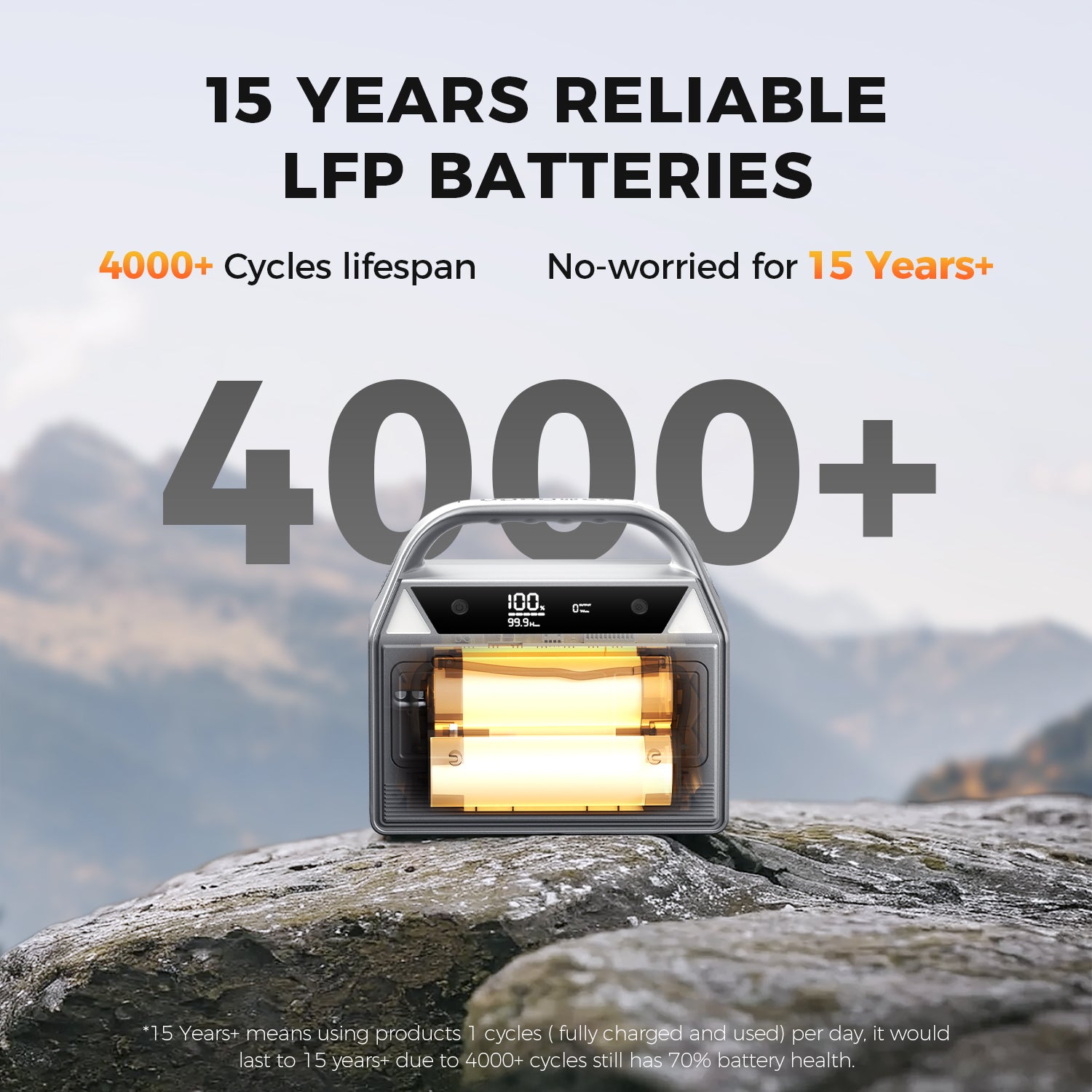
Credit: udpwr.com
Real-world Testing And Results
Portable power stations can function effectively at high altitudes. Testing shows consistent performance in mountain environments. These devices prove reliable, delivering power for essential gadgets even in thin air.
Case Studies And Experiences
Many people have tested portable power stations at high altitudes. They found that performance can vary. Some stations work well in cold weather. Others lose charge quickly. A hiker shared their story. Their power station lasted two days. They used it for lights and phones. Another camper had a different experience. Their station ran out after one night. It was very cold and windy. These stories show the importance of real testing.
Manufacturer Insights
Manufacturers know their products best. Some recommend specific stations for high places. They test their devices in varied conditions. This helps them understand performance. Many share their findings with customers. They suggest tips for better use. Like keeping the device warm or using it less often. This helps people get the most from their stations.
Tips For Using Power Stations At Altitude
Portable power stations can work at high altitudes. Cold temperatures may drain batteries faster. Keep the station warm when not in use. Use a thermal cover if needed. Avoid exposing it to extreme cold for long. Charging might be slower in cold climates. Consider charging it indoors. Check the altitude rating of your device. Some devices have limits. Make sure to follow the manufacturer’s guidelines. Regularly check the battery level. Charge it when it gets low. Always use the right cables and adapters. This helps maintain good performance.
Safety is important when using power stations. Keep the device dry at all times. Wet conditions can be dangerous. Ensure proper ventilation during use. This prevents overheating. Place the station on a stable surface. Avoid placing it on uneven ground. Keep children away from the power station. Store it safely when not in use. Do not attempt to open or fix the device yourself. This could lead to accidents. Follow the safety instructions provided. They are there to protect you.

Credit: www.wired.com
Future Developments
Exploring the future of portable power stations at high altitudes reveals promising advancements. Engineers are working on optimizing battery performance in low-pressure environments. Innovative designs focus on efficient energy output and durability.
Advancements In Technology
Portable power stations are becoming more advanced. New battery technologiesoffer better performance. Engineers are working on lighter and more efficient designs. These changes help power stations work at high altitudes. They make them more reliable in tough conditions.
Potential Solutions For High-altitude Use
- Improved temperature regulationsystems for cold weather.
- Enhanced battery efficiencyfor long-lasting power.
- Designs that withstand pressure changes.
- Features that reduce power lossat high altitudes.
These solutions may help portable power stations work better. It means more power when you need it most.
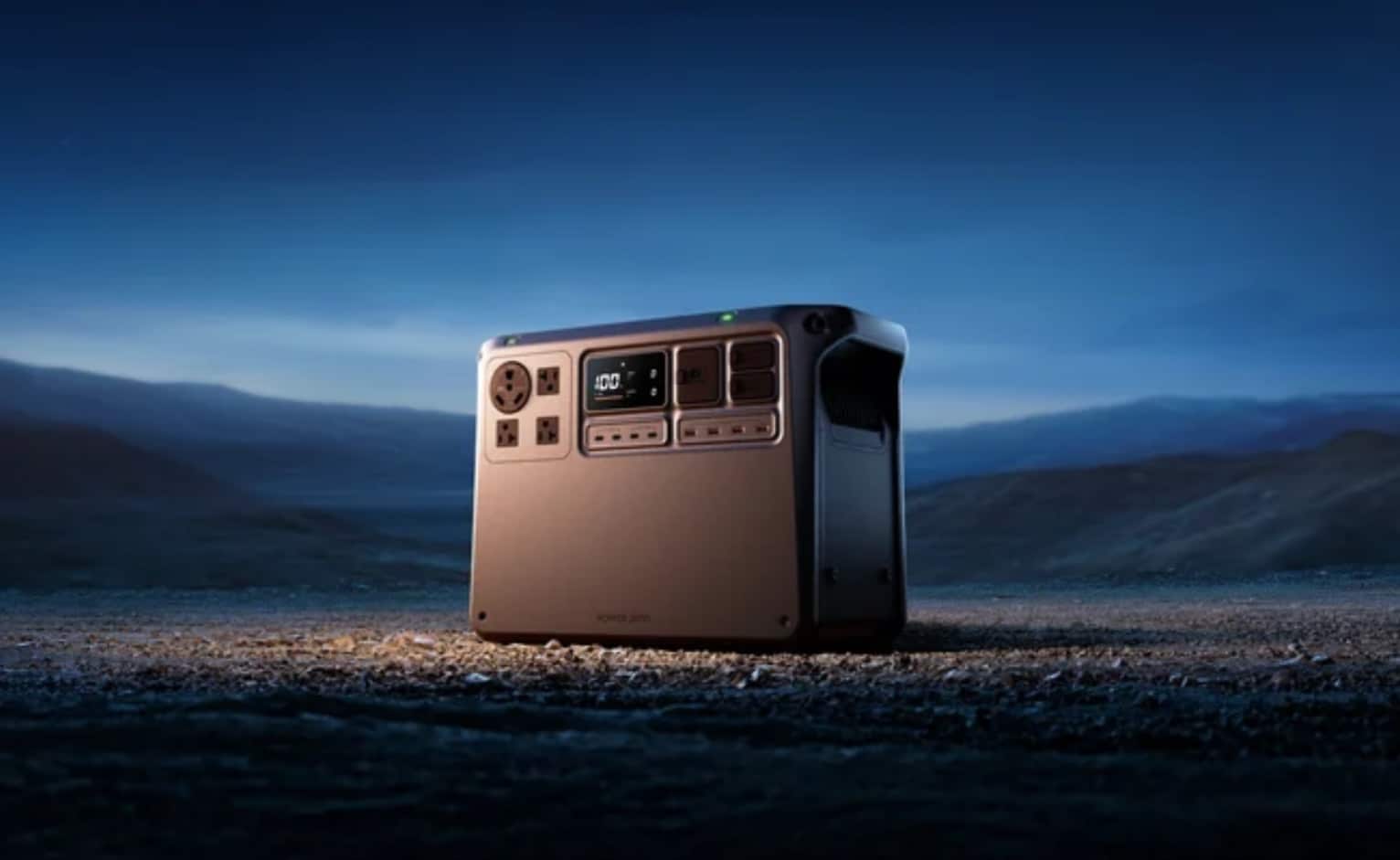
Credit: dronexl.co
Frequently Asked Questions
How To Adjust Generator For High Altitude?
Adjust the generator’s carburetor to provide a leaner fuel mixture for high altitude. Check the owner’s manual for specific instructions. Use high-altitude jets if recommended. Regular maintenance ensures optimal performance.
How Does Altitude Affect Electronic Devices?
Altitude can impact electronic devices by causing pressure changes that affect performance. High altitudes may lead to overheating or battery issues. Reduced air pressure can affect cooling systems, potentially causing malfunctions. Devices with sensitive components may experience reduced efficiency, while others might require altitude-specific calibrations for optimal functionality.
How Much Power Do You Lose With Altitude?
Power loss at altitude occurs due to thinner air. Engines lose about 3% power for every 1,000 feet. This impacts performance, requiring adjustments for efficiency. Understanding altitude effects is crucial for optimizing engine operations and maintaining desired output levels.
How Does Altitude Affect Generators?
Altitude reduces air density, affecting generator cooling and performance. Higher altitudes lower generator efficiency and power output. Adjustments may be needed for optimal operation. Manufacturers provide specific guidelines for altitude-related modifications. Proper ventilation helps maintain generator reliability at elevated locations.
Conclusion
Portable power stations perform well at high altitudes. Their efficiency remains reliable. They adapt to changing temperatures and pressures. Travelers can depend on them for energy needs. Always check the specifications for altitude compatibility. This ensures proper function and safety.
Portable power stations serve as a handy tool. Great for outdoor adventures. They provide power where it’s needed most. Be it mountains or high plains. So, pack one for your next high-altitude trip. Power remains within reach. Enjoy your journey with peace of mind.