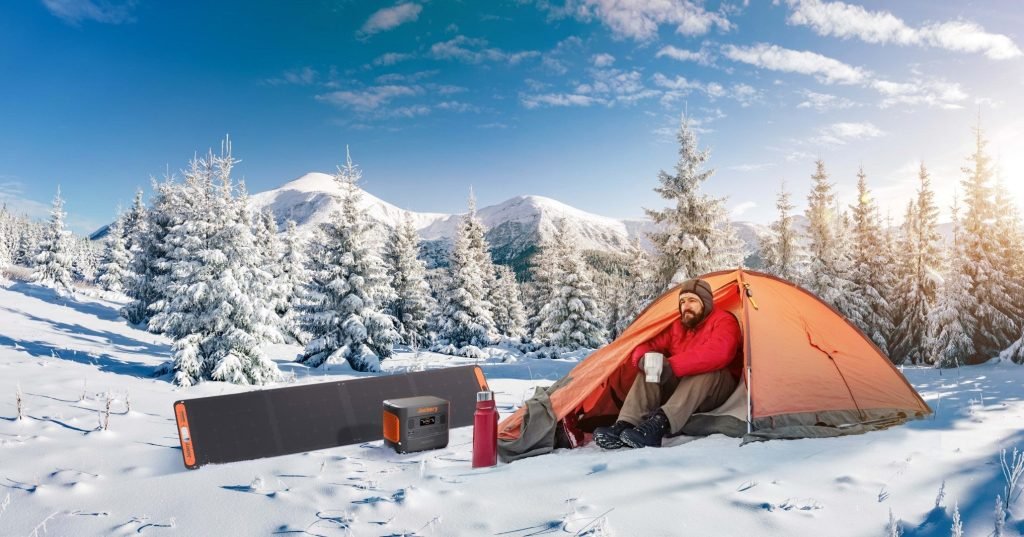
Picture this: it’s a crisp winter morning, and you’re all set for a weekend getaway in the great outdoors. You’ve packed everything you need—warm clothes, delicious food, and your trusty portable power station.
But as you step outside, the icy breeze makes you wonder, “Will my power station actually work in this cold weather? ” If you’re like most people, you’ve probably asked yourself this question before venturing out in winter. You rely on your portable power station for everything from charging your phone to keeping your lights on during a camping trip.
So, understanding how it performs in chilly conditions is crucial. You’ll discover whether portable power stations can handle the challenges of winter. We’ll explore how temperature affects their performance and share tips to ensure your device works seamlessly, even when the thermometer dips below freezing. Stay with us, and you’ll be equipped to power through your winter adventures without a hitch!
Portable Power Stations In Cold Weather
Portable power stations can work in winter, but cold affects them. Batteries lose charge faster in low temperatures. It is important to keep them warm. You can use insulated covers to protect them. Always store them in a warm place when not in use.
Charging the power station in cold weather takes longer. It is better to charge indoors. Make sure the station is not too cold before charging. This helps maintain battery life.
Portable power stations are handy in winter. They provide power during outages. You can charge phones and run small appliances. Always check the battery level before use. Keep the power station ready for emergencies.
Battery Performance In Low Temperatures
Batteriescan struggle in cold weather. They need warmth to work well. In winter, batteries lose power fast. This makes them less reliable.
Portable power stations can be affected. Cold weather makes them work harder. They may not last as long. Keep them warm to help them.
Store the power station inside. Use it only when needed. This can help save battery life. Insulating the device can also help. Wrap it in a blanket or use a case.
Some batteries are better in the cold. Lithium-ion batteries perform better. They keep power longer than other types. Choose these for winter use.
It’s important to know how your device handles cold. This helps you plan for power needs. Always be ready in winter with a backup plan.
Charging Efficiency In Winter
Cold weather can affect the charging efficiencyof portable power stations. The batteries may drain faster. This happens because the cold makes batteries work harder. Keep your power station warm. Use a blanket or keep it in a warm room. Some power stations have built-in heaters. These help maintain performance in cold climates.
Charging in winter takes longer. Plan more time for charging. Use a solar panelor plug into a wall outlet. Both options might be slower in winter. Check the manufacturer’s guidelinesfor best practices. This helps in getting the most out of your device.

Credit: www.popularmechanics.com
Durability Of Components
Portable power stations have strong parts. These parts are made for cold weather. The materials used are tough and long-lasting. Cold can be harsh on devices. But, these stations are built to withstand such conditions. Batteries in them are special. They can work well even when it is freezing. The outer case is also important. It protects the inside from snow and ice.
Some stations have special features. These features help in winter. For example, they might have insulated covers. These covers keep the cold away. Others have heaters inside. Heaters make sure the battery stays warm. A warm battery works better and lasts longer. Using them in winter is safe and effective.
Impact Of Snow And Ice
Snow and icecan affect portable power stations. Cold temperatures make batteries lose energy faster. This can mean less power for your devices. Ice buildup can block air vents, causing overheating. Always keep the station dry and clean. Avoid placing it directly on snow or ice. Use a mat or blanket for insulation. This helps to keep the station warmer.
Charging the station in cold weather can be tricky. Batteries charge slower in the cold. It’s best to charge indoors or in a warmer area. If you must charge outside, use a protective cover. This can help keep the station warmer.

Credit: weather.com
User Experiences And Reviews
People find portable power stations helpful in winter. These devices can work well in cold. Batteries might drain faster in low temperatures. Users say they charge devices easily. Many reviews mention quick setups. They love the convenience of portable power. Some users face challenges with battery life. They recommend keeping the station warm. This helps in preserving battery power. Cold weather affects all batteries. It’s not unique to power stations. Users advise storing them indoors. They work better when warm.
- Easy to use in cold weather.
- Convenient for charging phones and gadgets.
- Battery life can decrease in cold.
- Keeping stations warm helps performance.
- Store indoors for better results.
Tips For Winter Use
Portable power stations can work well in winter. Keep them warm for best performance. Cold weather can affect battery life. Store them inside when not in use. Use a blanket to cover them outside. This helps keep the battery warm.
Check the power level often. Cold can drain battery faster. Charge it fully before use. Turn off unused devices to save power. Use energy-efficient devices to extend battery life.
Keep your power station dry. Moisture can damage it. Use a waterproof cover if needed. Make sure vents are clear. This prevents overheating. Keep it clean and dry for long life.
Credit: practicalselfreliance.com
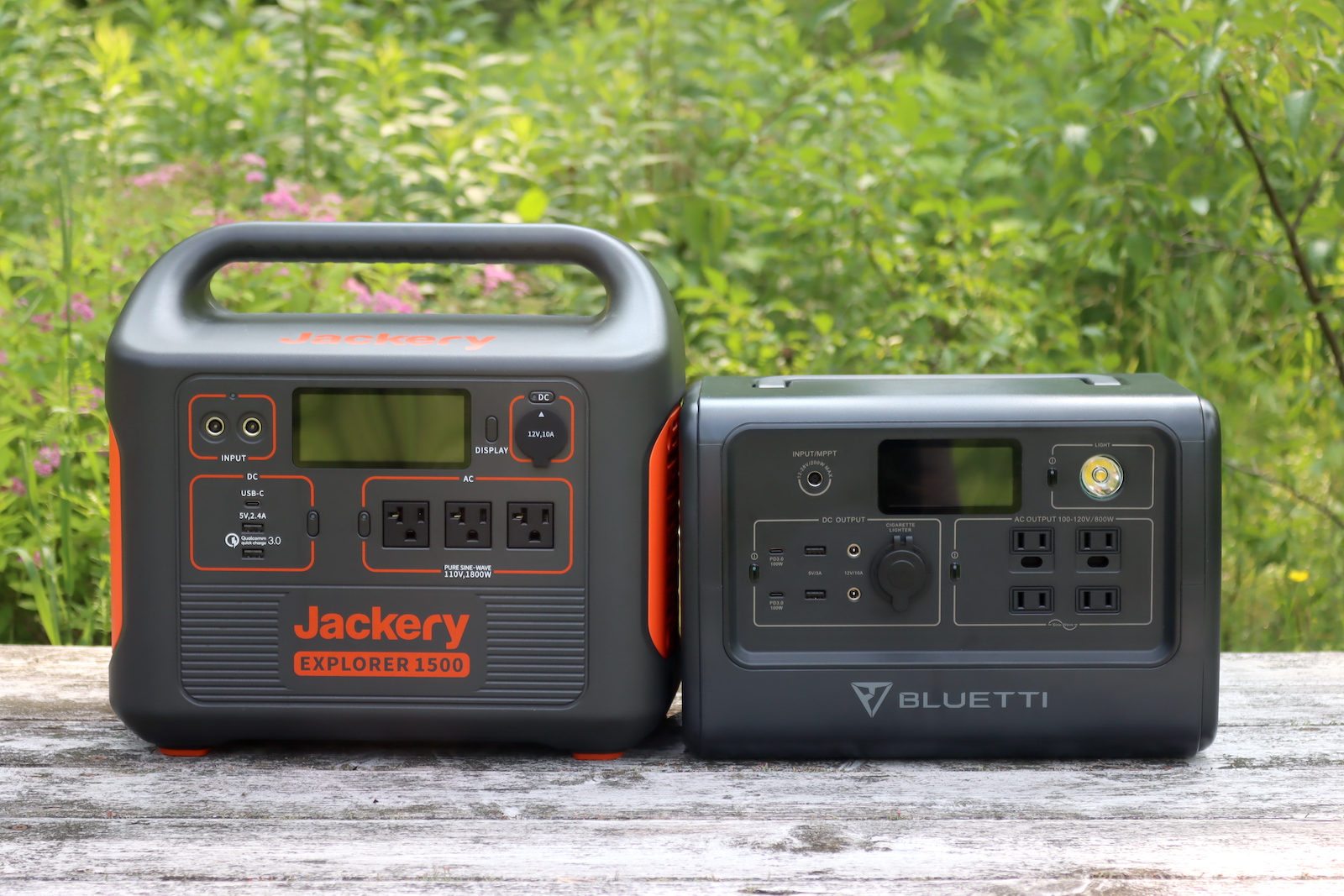
Comparing Models For Cold Weather
Portable power stations are useful in winter. Some models are better than others. Cold weather can affect battery life. It’s important to choose the right model.
Battery Type:Lithium-ion batteries perform well in cold. Lead-acid batteries might struggle.
Temperature Range:Check the operating temperature range. Some models work well in freezing temperatures.
Capacity:Larger capacity batteries last longer in cold. Consider models with higher watt-hours.
- Durability:Choose models with durable cases.
- Portability:Lightweight models are easier to carry.
- Features:Look for built-in heaters or warming pads.
Each model has different features. Think about what you need in winter. Make sure your choice fits your needs.
Frequently Asked Questions
What Is The Temperature Range For A Portable Power Station?
Portable power stations typically operate between -10°C to 40°C (14°F to 104°F). Always consult the manufacturer’s guidelines for specific models.
What Are The Disadvantages Of A Portable Power Station?
Portable power stations are expensive and offer limited power capacity. They can be heavy and bulky. Recharge times may be long, and they can have a shorter lifespan compared to traditional generators. Environmental conditions can affect performance. Regular maintenance is required to ensure efficient functioning.
Will A Portable Power Station Run A Freezer?
Yes, a portable power station can run a freezer. Ensure the power station’s output matches the freezer’s wattage requirements. Check both running and starting wattage. Choose a power station with higher capacity for longer usage. Always verify compatibility before use to avoid any issues.
How Long Can A Portable Power Station Run A Space Heater?
A portable power station’s runtime for a space heater depends on its watt-hour capacity. A 1000Wh power station can run a 500W heater for about 2 hours. Check your heater’s wattage and the power station’s capacity for precise calculations.
Conclusion
Portable power stations can work well in winter. They offer a reliable energy source. Cold temperatures might impact battery life. But most units perform adequately. It’s wise to store them properly. Keep them warm and charged. Choose models designed for cold climates.
Always read user reviews before buying. Consider your power needs. Check the specifications carefully. These devices are helpful for emergencies. They can power essential gadgets. Stay prepared during winter months. A little planning goes a long way. Ensure your portable power station is winter-ready.
Enjoy peace of mind.