
If you own or are thinking about getting a silent diesel generator, you probably wonder if it needs ventilation. This question is more important than you might think.
Proper ventilation can affect how well your generator runs, how safe it is, and how long it lasts. You’ll discover the truth about ventilation for silent diesel generators and learn simple steps to keep your equipment working smoothly. Keep reading to find out what you need to know to protect your investment and ensure your power supply never fails.
Silent Diesel Generators Basics
Silent diesel generators use soundproof covers to reduce noise. They work by converting diesel fuel into electrical energy quietly. The engine runs inside a special casing that blocks most sounds.
These generators are often used in places where noise needs to be low. Examples include hospitals, schools, offices, and homes. They help keep power on without disturbing people nearby.
- Quiet operationhelps maintain peace in busy areas.
- Reliable powerduring outages or off-grid situations.
- Compact designfits in small spaces easily.
- Easy to maintainwith fewer moving parts exposed.
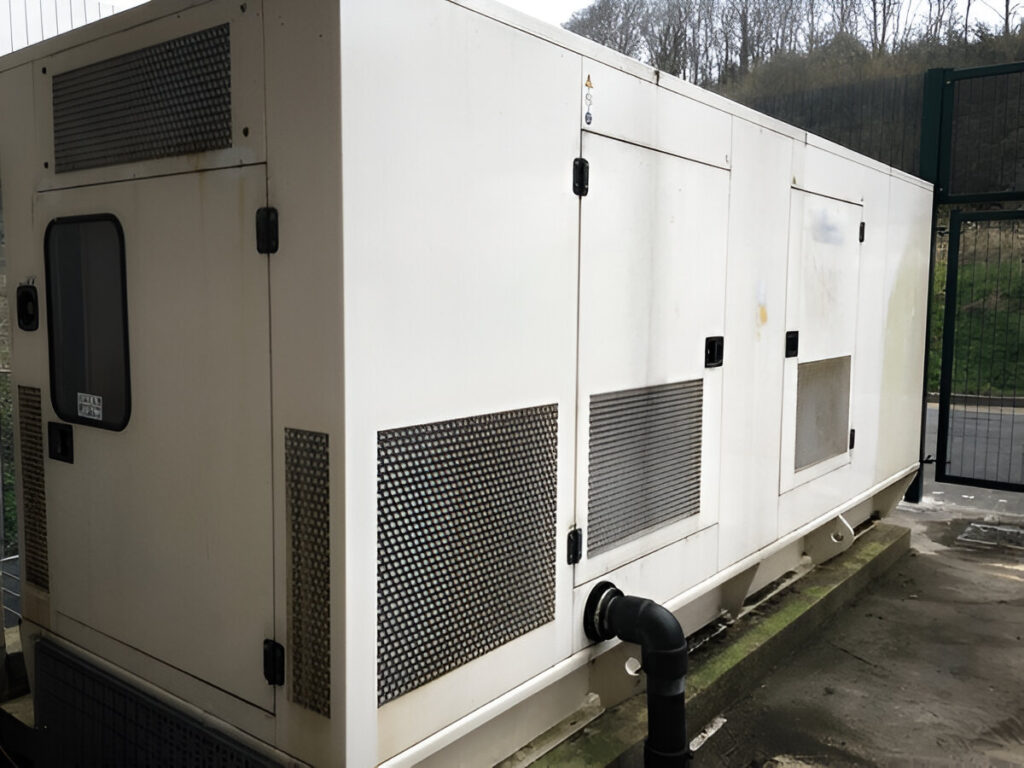
Credit: bcdieselgenerators.com
Ventilation Importance
Silent diesel generatorsproduce heat while running. Proper ventilationhelps remove this heatto keep the generator cool and working well. Without good airflow, the generator can get too hot and stop working.
These generators also emit carbon monoxide (CO), a dangerous gas. Ventilation helps carry away COso it does not build up inside rooms or small spaces. This keeps people safe and the air fresh.
- Ventilation helps cool downthe generator.
- It prevents overheating.
- It removes harmful gaseslike carbon monoxide.
- Good airflow improves generator life.
Risks Of Poor Ventilation
Poor ventilation in silent diesel generators can cause overheating. Overheated parts may get damaged quickly. This leads to costly repairsand downtime. Hot air must escape to keep the generator cool and working well.
Health risks rise without proper ventilation. Exhaust gases like carbon monoxidecan build up. This is dangerousfor people nearby. Breathing bad air can cause headaches, dizziness,or worse problems.
- Overheated engine parts
- Fire hazards
- Harmful gas buildup
- Risk of poisoning
- Reduced generator life
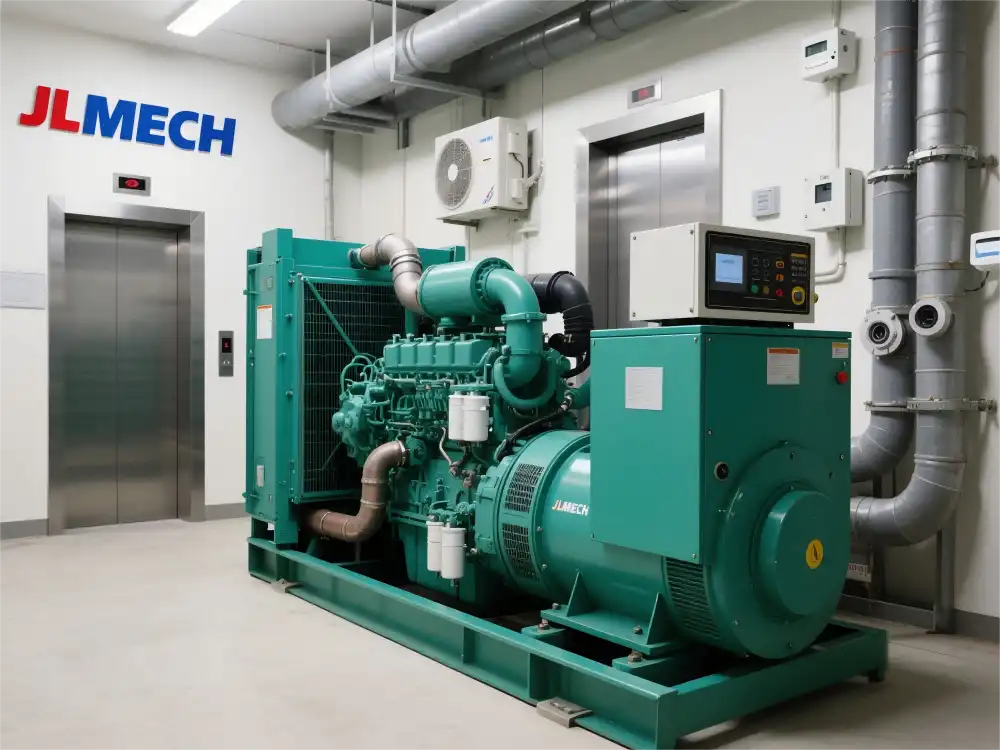
Credit: www.whjlmech.com
Ventilation Requirements
Silent diesel generators require proper ventilationto avoid overheating and ensure efficient operation. Adequate airflow helps remove heat and exhaust gasessafely.
| Recommended Airflow Standard | Description |
|---|---|
| Air Intake | Provide at least 1 square foot of open area per 1,000 watts of generator power. |
| Exhaust Ventilation | Install vents to direct hot air and fumes outside. |
| Air Circulation | Keep space around the generator free for air to flow. |
Place the generator in a well-ventilated area. Maintain at least 3 feet of clearanceon all sides. Avoid tight spaces to allow air movement and reduce noise.
Installation Tips
Proper air intakeis essential for silent diesel generators to work well. They need fresh air to cool the engine and keep it running smoothly. Place the generator where air can flow freely. Avoid tight spaces that block airflow.
Exhaust gases must leave the area safely. Use pipes or ducts to guide exhaust outside. Make sure the exhaust system is sealed and clear of any blockages. This prevents harmful gases from entering living or working spaces.
- Use ventilation accessorieslike air vents and fans to improve airflow.
- Install louvers or grillson intake and exhaust openings to keep out dust and rain.
- Check ventilation parts often to ensure they stay clean and work well.
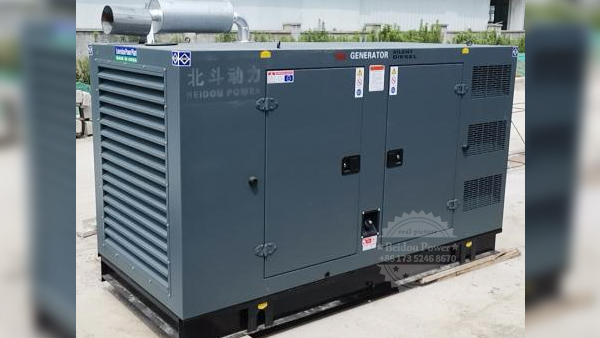
Credit: www.bdgenerator.com
Maintenance For Safety
Silent diesel generators still need ventilationto work safely. Airflow removes heatand fumes that build up inside the unit. Without proper ventilation, parts can overheatand cause damage.
Regular checks on the ventilation systemhelp keep the generator running smoothly. Inspect vents and ducts for blockagesor damage. Clear away dust, dirt, and debris that might reduce airflow.
- Clean air filters often to avoid clogging.
- Replace filters on time to keep air fresh.
- Check fan operation to ensure steady ventilation.
Keeping the ventilation system clean and functional extends generator lifeand improves safety.
Emergency Precautions
Carbon monoxide detectorsare vital near silent diesel generators. They alert about dangerous gas buildup. These detectors should be installed in all enclosed areas where generators run. Regular testing keeps them working properly.
Safe shutdown procedures help prevent accidents. Always follow the manufacturer’s guide to turn off the generator. Allow the engine to cool down before refueling or maintenance. Avoid sudden stops to protect the equipment and people nearby.
Frequently Asked Questions
Do Silent Diesel Generators Require Ventilation?
Yes, silent diesel generators need proper ventilation to prevent overheating and allow exhaust gases to escape safely. Good airflow ensures efficient operation and prolongs the generator’s lifespan.
How Does Ventilation Affect Diesel Generator Performance?
Ventilation maintains optimal temperature and air quality around the generator. Proper airflow improves combustion efficiency, reduces wear, and prevents damage to engine components.
Can Poor Ventilation Harm Silent Diesel Generators?
Poor ventilation can cause overheating, reduce engine efficiency, and lead to costly repairs. It also increases the risk of dangerous exhaust gas buildup.
What Ventilation System Suits Silent Diesel Generators Best?
A combination of intake and exhaust vents with fans provides effective airflow. The system should comply with manufacturer guidelines and local safety codes.
Conclusion
Silent diesel generators do need proper ventilation. It keeps them safe and efficient. Without it, harmful gases can build up. This can be dangerous. Ensure there’s enough airflow where you install them. Check for any blockages regularly. Good ventilation helps the generator last longer.
It also reduces the risk of overheating. Always prioritize safety when using generators. Proper setup can save you from future troubles. Keep these points in mind for a smooth experience. Your generator will run better with the right care.