Imagine having a reliable source of power that not only saves you money but also helps the environment. Solar generators are becoming increasingly popular for these reasons and more.
But you might be wondering, do solar generators need maintenance? It’s a question many ask, especially when considering the investment in this eco-friendly technology. Understanding the upkeep of your solar generator can ensure it runs efficiently and lasts longer. This knowledge empowers you to make informed decisions about harnessing solar energy.
Dive into this article to uncover the essential tips and tricks for maintaining your solar generator, ensuring it remains a dependable ally in your quest for sustainable energy.

Credit: www.instagram.com
Solar Generator Basics
Solar generators have three main parts: solar panels, batteries, and inverters. Solar panels collect sunlight and turn it into electricity. Batteries store this electricity for later use. Inverters change the stored electricity to a form that powers devices. Each part works together to provide clean energy.
- Portable Generators: Easy to move and use anywhere. Great for camping or emergencies.
- Home Generators: Installed at homes for daily energy needs. They handle larger power loads.
- Commercial Generators: Used for big businesses and factories. Provide lots of power for heavy machines.
Importance Of Maintenance
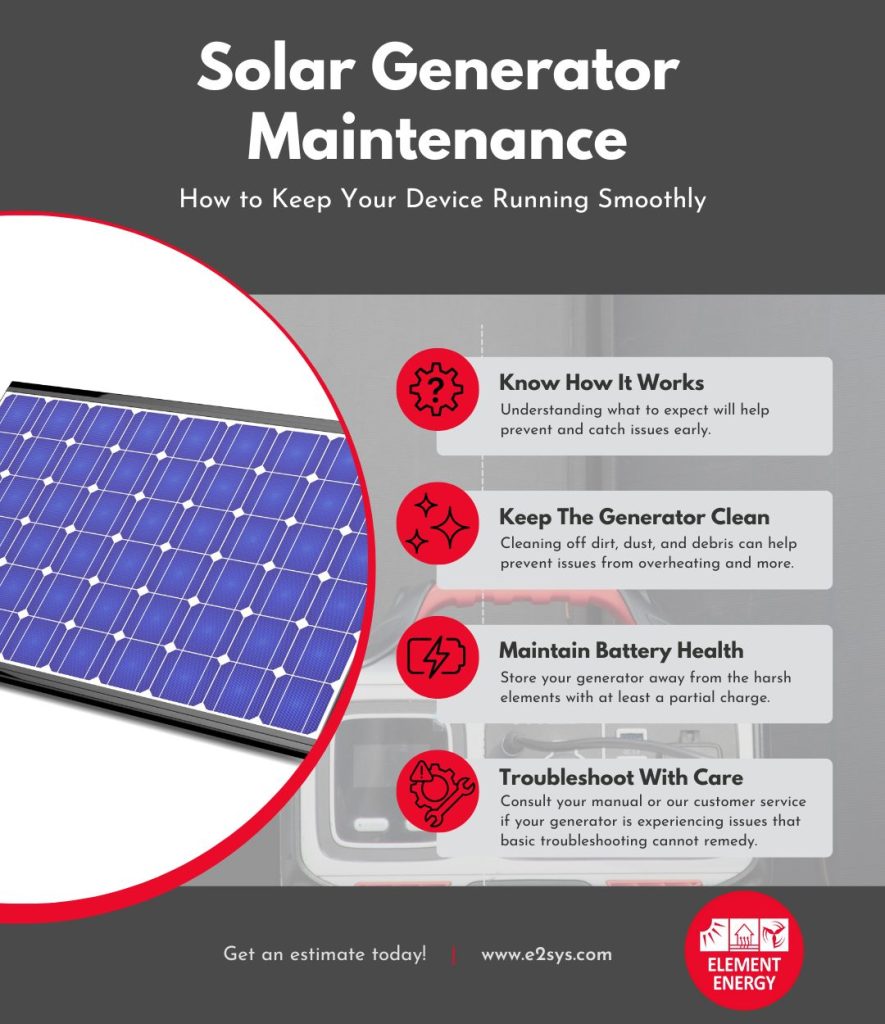
Regular maintenance ensures solar generators run efficiently and extend their lifespan. Cleaning panels and checking connections are essential tasks. Proper upkeep prevents unexpected breakdowns and keeps energy output optimal.
Longevity And Performance
Solar generators need care to last longer. Regular checks keep them working well. Dust and dirt can block sunlight. Clean panels help the generator work better. Batteries also need attention. Checking them ensures they store power. Tight connections prevent energy loss. A maintained generator is reliable. It gives power when needed.
Safety Considerations
Safety is vital for solar generators. Loose wires are dangerous. Check them often to avoid accidents. Batteries can leak. Inspect them to keep everyone safe. Damaged parts can cause problems. Fix or replace them quickly. A safe generator protects your home. It prevents fires and electric shocks.
Regular Inspection Tips
Regular inspections ensure solar generators work efficiently and last longer. Check connections for wear and tear. Clean solar panels regularly to maintain optimal energy absorption.
Visual Checks
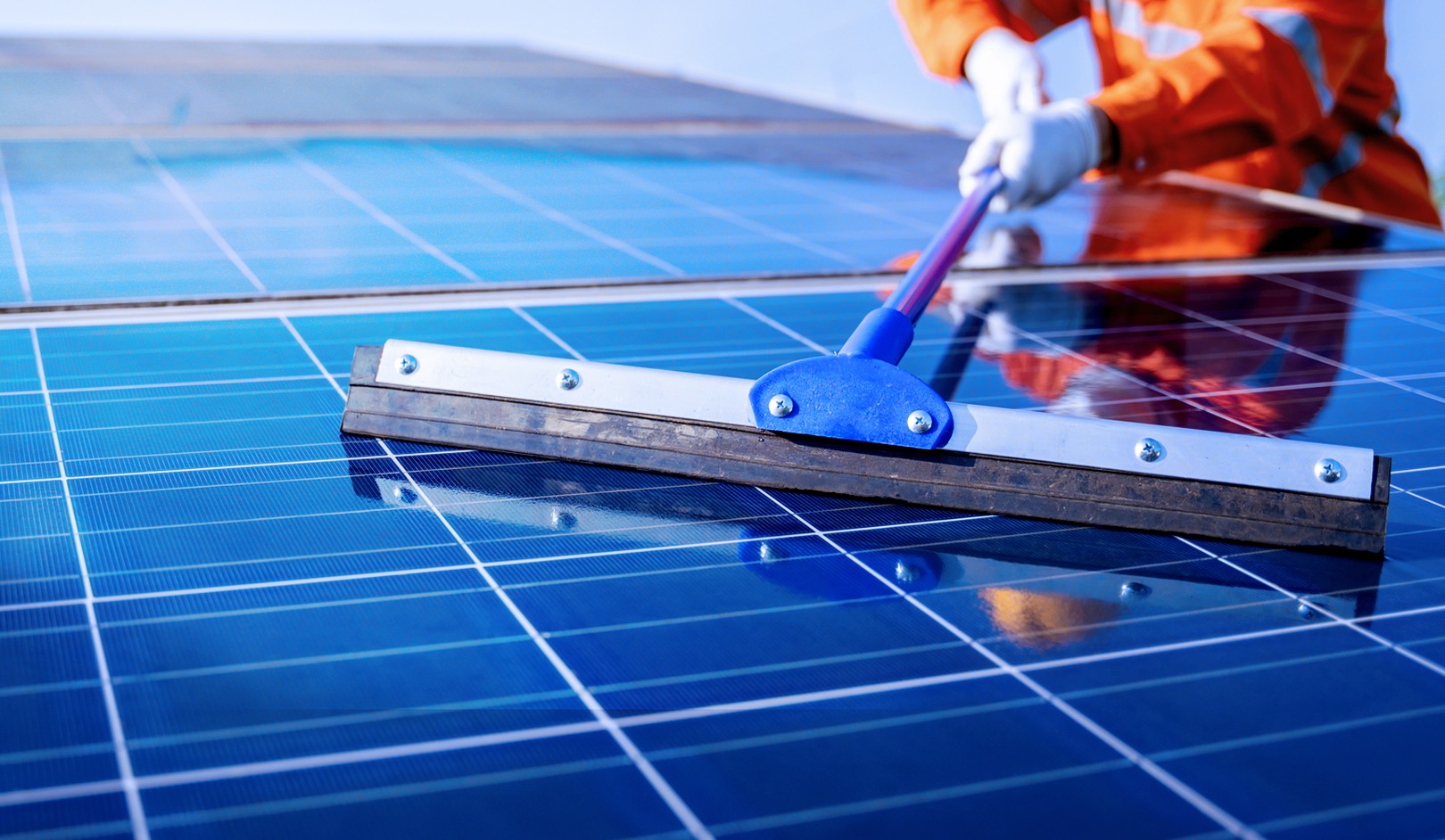
Look at the solar generator often. Check for any dustor dirton panels. Clean them gently with a soft cloth. Make sure wires are not loose. Tighten them if needed. Spot any cracks or damage on the unit. Replace damaged parts quickly. Ensure nothing blocks sunlight on panels. This helps the generator work well.
Battery Health
Keep the battery in a cooland dryplace. This keeps it safe. Check the battery’s charge level regularly. Do not let it go too low. Charge it often to keep it strong. Look for any leaks or swelling. These are bad signs. Change the battery if needed. A healthy battery makes the generator last longer.
Cleaning And Care
Solar generators require minimal maintenance to stay efficient. Regular cleaning of solar panels and checking battery connections ensure optimal performance. Keeping the generator in a dry, shaded area prolongs its lifespan.
Solar Panels
Regular cleaning of solar panelsis essential. Dust and dirt can block sunlight. Use a soft cloth and water to clean them. Avoid harsh chemicals; they can damage panels. Check the panels for cracks or scratches. Fix any damage you find quickly. Panels work best when they are clean and clear.
Connections And Wiring
Connectionsand wiringare important for solar generators. Look for loose wires regularly. Check for any rust or damage. Tighten any loose connections you find. Make sure no wires are frayed or broken. Damaged wires can cause problems. Proper care ensures the system runs smoothly. Always turn off power before checking connections.
Troubleshooting Common Issues
Solar generators might not give full power sometimes. Check the solar panelsfirst. Make sure they are clean and facing the sun. Dirty panels can block sun rays. Next, look at the wiring. Loose wires can stop power flow. Tighten any loose wires you find. If the problem continues, inspect the converter. It should change solar power to usable power. Faulty converters can cause issues too.
Batteries might not charge as expected. First, ensure the battery connectionsare tight. Loose connections can prevent charging. Next, check the charging time. Some batteries take longer to charge. Make sure the generator is in full sun. Weak sunlight can slow charging down. Also, examine the battery health. Old or damaged batteries may not charge well. Replacing them can solve the problem.
Credit: www.energysage.com
Professional Maintenance Services
Solar generators need regular maintenance for optimal performance. Cleaning panels and checking connections ensure efficiency and longevity. Regular inspections can prevent unexpected issues.
When To Seek Help
Solar generators sometimes face problems. Many issues are hard to fix alone. Call for help when the generator stops working. Seek experts for strange noises or smells. Professionals understand complex systems better. They can prevent bigger problems later.
Choosing The Right Service
Pick a service with good reviews. Check if they are certified. Certification means they know solar systems well. Ask about their experience. Find out how long they have been fixing generators. Ensure they offer warranties on their work. Warranties help if something breaks soon after service.
Diy Maintenance Tips
Solar generators need simple tools for maintenance. A screwdriver can fix loose parts. Use a soft cloth to clean surfaces. A small brush helps remove dust. A multimeter checks electrical connections. Gloves keep hands safe.
Safety is important. Always turn off the generator first. Wear gloves to protect your hands. Check for loose wires before touching. Make sure the area is dry. Water can cause danger. Keep children away from the generator.

Credit: www.jackery.com
Frequently Asked Questions
How Do You Maintain A Solar Generator?
Regularly clean panels and ensure connections are tight. Store the generator in a dry, ventilated area. Check batteries periodically and replace if needed. Avoid overloading the generator to extend its lifespan. Conduct annual inspections for optimal performance.
What Are The Downsides Of Solar Generators?
Solar generators have limited energy storage and can be expensive. They rely on sunlight, affecting efficiency on cloudy days. Battery lifespan can be shorter than traditional generators. Maintenance may be needed more frequently. Power output might not be sufficient for high-demand appliances.
What Is The Lifespan Of A Solar-powered Generator?
A solar-powered generator typically lasts 25 to 30 years. Regular maintenance and proper usage can extend its lifespan. Battery components may need replacement every 5 to 15 years. The durability of solar panels and technology improvements contribute to the generator’s longevity.
Investing in quality components ensures better performance over time.
Does A Solar Generator Work In The Winter?
Yes, solar generators work in the winter. They can generate power using sunlight, even in cold weather. Efficiency might decrease due to shorter daylight hours and potential snow cover. Ensure panels are clear of snow for optimal performance. Proper maintenance can help maximize winter energy production.
Conclusion
Solar generators require minimal maintenance. Regular checks ensure optimal performance. Keep them clean to avoid dust buildup. Inspect cables for wear and tear. Batteries need periodic attention. Monitor charge levels to prevent issues. Simple steps extend the lifespan of your solar generator.
Spend a few minutes monthly on maintenance. Save money and prevent larger problems. Reliable energy source with little effort. Understanding maintenance boosts your confidence. Solar generators are user-friendly. Enjoy sustainable energy with peace of mind.