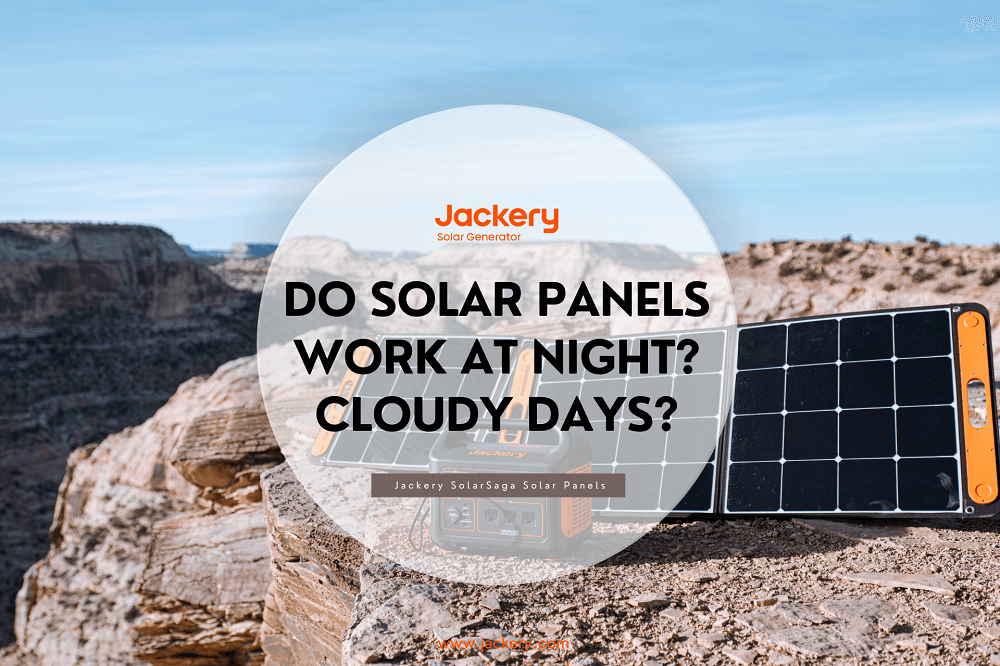
Imagine relying on a solar generator for your energy needs, only to wake up to a cloudy sky. Will your generator still power your essentials?
If you’ve ever wondered about the effectiveness of solar generators on cloudy days, you’re not alone. Understanding how these devices operate under less-than-perfect conditions is crucial, especially if you’re considering making the switch to solar power. You might think that solar panels need bright, sunny days to work, but there’s more to the story.
The truth might surprise you and could even influence your decision to invest in solar technology. By the end of this article, you’ll have a clearer picture of what to expect from solar generators, even when the sun decides to hide behind the clouds. Dive in and discover the surprising facts that could change how you view solar energy forever.
Solar Generator Basics
Solar generators can function on cloudy days, though their efficiency may be reduced. Clouds block some sunlight, but generators still capture available solar energy. Battery storage in solar generators ensures power availability even during low sunlight periods.
Components And Functionality
Solar generators have three main parts. The solar panel collects sunlight and turns it into power. This power goes to the battery. The battery stores the power for later use. The inverter changes the stored power into a usable form. Each part works together to make clean energy. This energy can run lights, phones, and other small devices.
Types Of Solar Generators
There are different types of solar generators. Portable solar generators are easy to move. They are great for camping trips. Home solar generators are bigger. They provide power for houses. Some generators have wheels to move them easily. Others are fixed and don’t move. Choose the right type for your needs.
Credit: solarsme.com
Impact Of Cloudy Weather
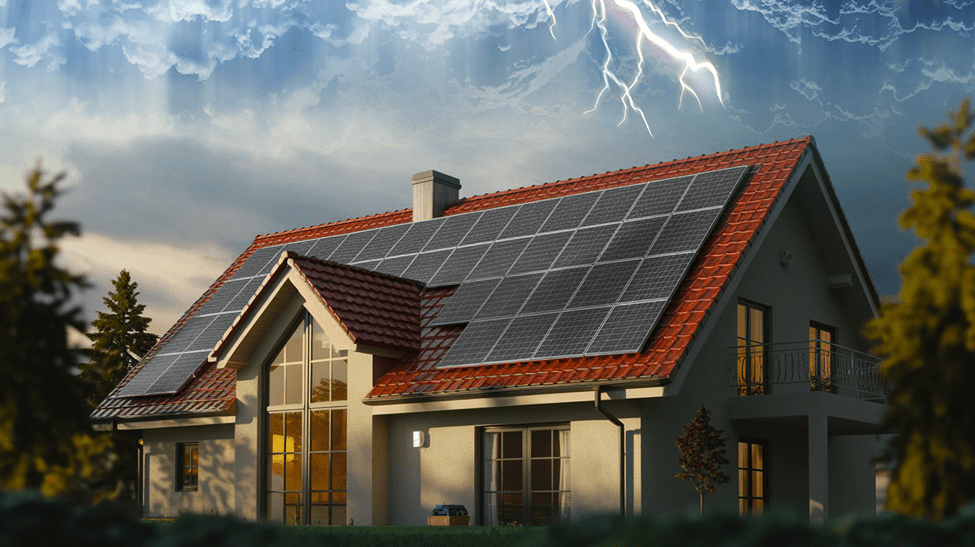
Solar generators can work on cloudy days, though their efficiency may decrease due to reduced sunlight. They still capture indirect sunlight, ensuring power generation continues even in less-than-ideal weather conditions.
Cloud Coverage And Solar Efficiency
Clouds can block some sunlight from reaching solar panels. This reduces the amount of energy they collect. Solar panels still work under clouds, but less efficiently. Energy output drops because of less sunlight. Thick clouds cause bigger drops in energy. Thin clouds let more light through. This means more energy.
Variations In Solar Output
Solar output varies with cloud thickness. Heavy cloud cover decreases output a lot. Light clouds allow some sunlight through. This means more energy is produced. Solar panels produce energy even on cloudy days. Battery storage helps keep power available. Generators store energy when the sun is out. This stored energy can be used later.
Technological Solutions
Solar generators can work on cloudy days, though with reduced efficiency. They still capture diffused sunlight, generating some power. This makes them a reliable energy source even when the sun isn’t shining brightly.
Advanced Solar Panels
Advanced solar panels can still work on cloudy days. They have special technology to capture sunlight even when it’s dim. Thin-film solar cells are one example. These cells can absorb light from all angles. This means they do not need direct sunlight to work. Cloudy weather might reduce energy, but these panels still produce power. It is important to have enough panels for your energy needs.
Battery Storage Systems
Battery storage systems are very important. They store energy for later use. This is helpful on cloudy days. Batteries save extra energy when the sun is shining. Then, they release it when needed. Lithium-ion batteries are common for this purpose. They are efficient and last a long time. Storing energy ensures you have power anytime, even without sunlight. It makes solar generators more reliable.
Comparing Performance
Solar generators work best in sunny conditions. They get more energy from the sun. Bright days mean better performance. Cloudy days can be tricky. Less sunlight means less power. Solar panels capture less energy.
On cloudy days, solar generators can still work. They produce less power but don’t stop. Energy can be stored in batteries. It helps for later use. Efficiency drops but is not zero. Some panels work better in low light.
Real-world Case Studies
Studies show varying results. In one study, a solar generator powered a small house. It worked for two days with clouds. Another study showed a big drop in power. It was only 40% of sunny day output. Location matters too. Places with more clouds see less power.
Manufacturers design generators for all weather. Some models handle clouds better. Users report mixed results. Some are happy, others want more power. Testing helps understand performance. Check reviews for real-world insights.
Maximizing Efficiency
Solar generators can still function on cloudy days, though with reduced efficiency. They capture diffused sunlight, converting it to energy. Battery storage aids in maintaining power supply during less sunny periods.
Optimizing Panel Placement
Solar panels need the right spot for best results. Place them where the sun shines most. Avoid shaded areas by trees or buildings. Panels work even on cloudy days, but less power. Angle panels to face the sun directly. This helps gather more light. Adjust the angle as seasons change. Keep panels clean for better performance.
Regular Maintenance Tips
- Check panels for dirt and debris.
- Clean them regularly with a soft cloth.
- Inspect cables for any damage.
- Ensure connections are tight and secure.
- Monitor the system’s output weekly.
- Keep track of changes in energy production.
Alternative Energy Sources
Solar generators can work even on cloudy days. They generate power using solar panels. Clouds may reduce sunlight but some panels still produce energy. They are essential for homes and businesses. Solar power is clean and renewable. It helps save the planet. Solar generators store extra energy for later use. This stored energy is useful when sunlight is weak. Solar panels are part of many green energy systems.
Backup Power Options
Backup power is important during storms and power outages. Generators can provide backup energy when needed. Solar generators are quiet and have no fumes. They are better than gas generators. Gas generators are noisy and pollute the air. Battery storage helps keep power available. Power is stored during sunny days. This stored energy can be used anytime. Backup power keeps lights and appliances working.
Hybrid Systems
Hybrid systems use more than one energy source. Solar panels and wind turbines are often combined. This combination makes hybrid systems very effective. Hybrid systems can work in different weather. Wind turbines help when solar panels get less sun. This makes power available at all times. Homes can use hybrid systems for power. They are reliable and environmentally friendly. Hybrid systems reduce dependence on fossil fuels.
Future Developments
Future advancements in solar technology aim to enhance efficiency during cloudy days. Improved panel designs and storage systems could optimize energy capture and usage. This progress makes solar generators more reliable, even with less sunlight.
Innovations In Solar Technology
Solar panelsare getting better. New materials are being used. They can capture more sunlight. Even on cloudy days, they work. Technology is always improving. Small changes make a big difference. Better efficiencymeans more power.
Potential For Improved Cloud Performance
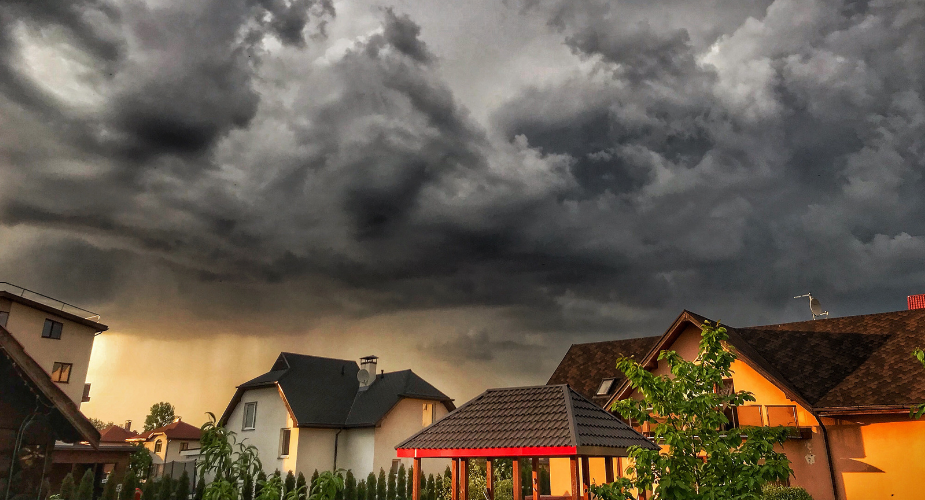
Cloudy days can affect solar power. But new designs help. Advanced panelscollect light from any angle. This helps on cloudy days. Energy storage is also improving. Batteriesstore power for later use. This means less worry about clouds. Solar generators work better each year. Future technology will be even stronger.

Credit: sukitir.com
Credit: naturesgenerator.com
Frequently Asked Questions
How Much Will A 100 Watt Solar Panel Output On A Cloudy Day?
A 100-watt solar panel typically produces 10-25 watts on a cloudy day. Output varies with cloud density and location.
Does Solar Generate When It’s Cloudy?
Yes, solar panels can generate electricity on cloudy days. Clouds reduce sunlight, but panels still capture diffuse light. Solar panels are efficient even in indirect sunlight, although production decreases compared to sunny days. Advanced technology helps optimize energy generation in less-than-ideal weather conditions.
What Is The 20% Rule For Solar Panels?
The 20% rule for solar panels suggests installing panels at 20% more capacity than your estimated energy needs. This compensates for inefficiencies like shading and weather conditions, ensuring reliable energy production. Adjust for location and panel type to optimize performance and meet energy requirements effectively.
Do Solar Generators Need Direct Sunlight?
Solar generators work best with direct sunlight. They can still generate power in cloudy conditions, but efficiency decreases. For optimal performance, place solar panels in areas with maximum sun exposure. Regular maintenance ensures longevity and consistent energy production. Proper positioning significantly boosts energy output from solar generators.
Conclusion
Solar generators can work on cloudy days. They do not need direct sunlight. Even diffused light charges them, though less effectively. Energy output drops, but they still function. It’s important to manage energy use wisely. Consider battery storage to save extra power.
This ensures availability when needed. Investing in a reliable solar generator pays off. It provides power during unexpected weather. Be prepared and stay powered up. Understand your energy needs and plan accordingly. With smart planning, cloudy days won’t dim your power.