Imagine you’re enjoying a cozy evening at home when suddenly, the power goes out. You reach for your flashlight, but wouldn’t it be better if your lights just stayed on?
That’s where standby generators come in. These powerful devices can keep your home running smoothly during an outage. However, a common question arises: do standby generators come with a transfer switch? Understanding this could mean the difference between a seamless power transition and a confusing scramble in the dark.
You’ll discover the ins and outs of standby generators and their transfer switches. We’ll unravel the mystery and provide you with the knowledge you need to make an informed decision. You’ll find out why a transfer switch is crucial for safety and efficiency, and how it can simplify your life during power disruptions. Stay with us as we illuminate the path to uninterrupted power and peace of mind.

Credit: www.homedepot.com
What Are Standby Generators?
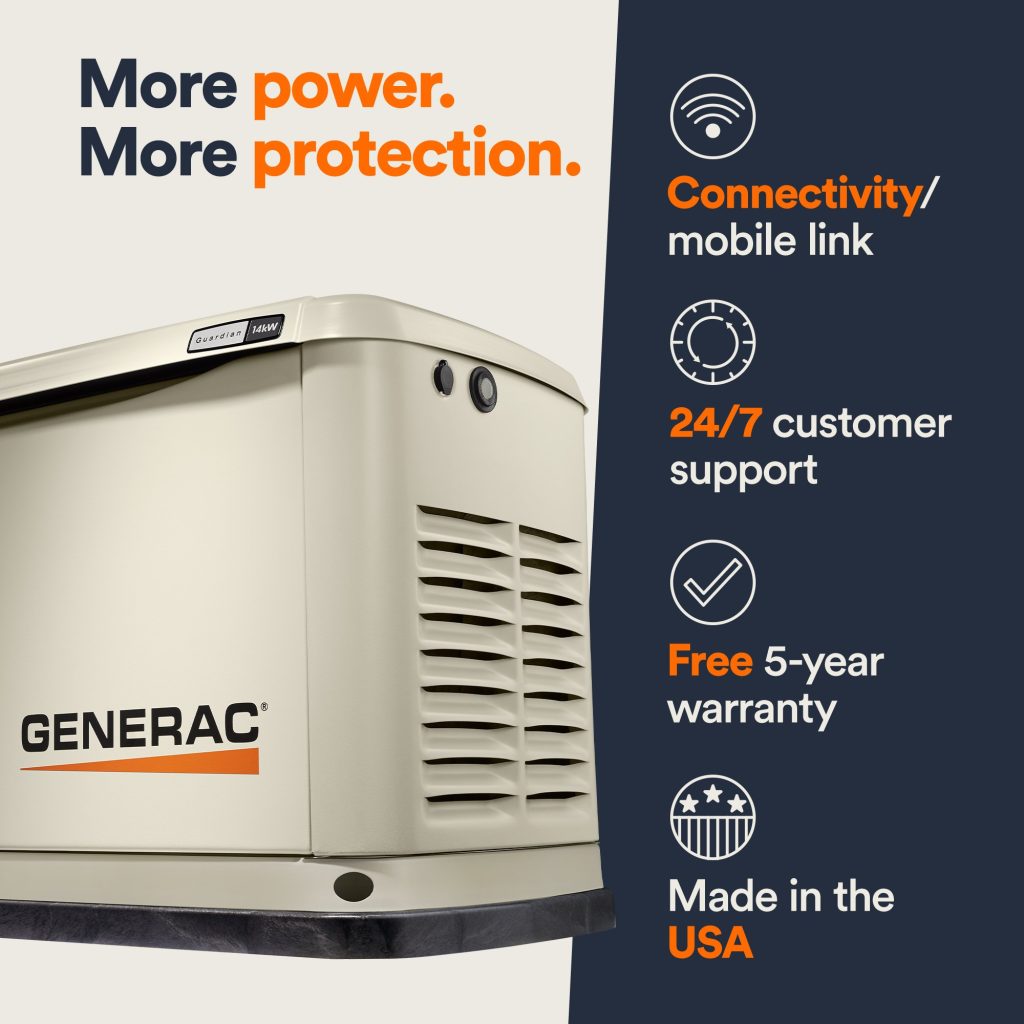
Standby generators are powerful machines. They provide electricity during power cuts. These generators are permanent and fixed in one place. They connect directly to the home’s electrical system. Standby generators turn on automatically during outages. This makes them very convenient. They can power most home appliances. This includes fridges, lights, and heating systems. Standby generators usually run on natural gas or propane. They are more reliable than portable generators. They ensure homes have power all the time.
Types Of Standby Generators
- Liquid-Cooled Generators:Use a liquid to cool the engine. Suitable for large homes.
- Air-Cooled Generators:Use air to cool the engine. Ideal for smaller homes.
Benefits Of Standby Generators
These generators provide continuous power. They keep lights and appliances working. Standby generators protect against food spoilage. They ensure security systems stay active. These generators are safer and more reliable. They automatically detect power loss. This means no manual start is needed. Standby generators can add value to homes. They offer peace of mind during storms and outages.
Understanding Transfer Switches
Standby generators often include a transfer switch to ensure seamless power during outages. This switch automatically shifts the power source from the utility to the generator. Having this component integrated simplifies installation and enhances safety.
Functions Of Transfer Switches
Transfer switches are vital for safe power transfer. They help switch between the main power and the generator. This prevents dangerous backfeed into power lines. The switch ensures the generator only powers your home. It protects workers fixing power lines too. This way, everyone stays safe.
Types Of Transfer Switches
- Automatic Transfer Switches (ATS): These switch power automatically. They detect power loss and start the generator.
- Manual Transfer Switches: They require you to switch power. These are less costly but need manual effort.
Choosing the right switch is crucial. It depends on your needs and budget. Safety and convenience are key factors to consider.
Do Standby Generators Include Transfer Switches?
Many standby generators come with transfer switches. This is often part of the standard package. A transfer switch helps power shift from the main grid to the generator. It ensures safety for your home. Some packages might not include the switch. Always check what comes in the box.
Some generators offer transfer switches as optional add-ons. You might need to buy them separately. This can add to the overall cost. It’s important to know what you need. Check if the switch fits your generator model. Buying the right switch ensures smooth operation.
Choosing The Right Transfer Switch
Choosing the Right Transfer Switch Standby generators often include a transfer switch for seamless power transitions during outages. This switch ensures automatic power transfer, enhancing convenience and safety. Understanding its role is essential for optimal generator performance.
Factors To Consider
Choosing a transfer switch requires careful thought. It connects your generator to your home. The transfer switch must be safeand reliable. Check if it meets safety standards. Look for easy installation. Some switches need a professional installer. Others can be set up by you.
Compatibility With Generators
Not all transfer switches fit every generator. Check the wattageand brand. Your generator’s power should match the switch’s capacity. Some switches work with specific brands. Read the manual for generator requirements. Always ensure compatibilitybefore buying.
Installation And Maintenance
Standby generatorsneed expert hands for installation. These experts know all about generators. They make sure everything is safe and secure. They connect the generator to your home safely. This step is very important. A wrong connection might cause problems. Experts will connect the transfer switchtoo. This switch helps in power changes. Always choose skilled professionals for this job.
- Check the oil level regularly.
- Start the generator once a month.
- Keep the generator clean from dust.
- Listen for strange noises when running.
- Check battery condition often.
- Replace air filter yearly.
- Inspect for leaks around the generator.
These tips help keep the generator working well. Regular checks prevent big problems.
Cost Considerations
Standby generators often come with a transfer switch, but this can affect the overall cost. A built-in switch simplifies installation, potentially saving money. Comparing prices of generators with and without switches helps in making an informed decision.
Price Range For Generators And Switches
Generators can vary in price. Smaller units might cost less. Larger units often cost more. Transfer switches also vary in price. Basic models are cheaper. Advanced switches can cost more. It’s important to know your budget. Be sure to compare prices before buying.
Long-term Savings
Standby generators might seem expensive. They can save money over time. Power outages can cause loss. Generators keep things running. This prevents costly damages. They protect food and electronics. Investing now can save later. Think about long-term benefits. It helps to weigh upfront costs against savings.
Safety And Regulations
Standby generators often include a transfer switch for seamless power transfer during outages. This switch ensures safe and automatic electricity flow. It prevents power backfeed, which could harm utility workers and equipment.
Compliance With Local Codes
Standby generators must meet local building codes. This ensures they work safely. Installers follow these rules strictly. Local codes help prevent accidents. Proper installation is key. Licensed electriciansensure compliance. This avoids fines and penalties. Regular inspections are often required. Generators must pass these checks. Safety standardsprotect families and homes.
Safety Precautions
Generators should be installed outside. This prevents harmful fumes inside. Keep them away from windows and doors. Proper ventilation is crucial. Never run a generator in rain. Use a cover if needed. Keep children away from generators. They can cause burns or shocks. Always read the user manual. Follow all instructions carefully. Regular maintenancekeeps generators running safely.

Credit: www.generac.com

Credit: www.homedepot.com
Frequently Asked Questions
Do You Need A Transfer Switch For A Standby Generator?
Yes, a transfer switch is essential for a standby generator. It safely connects the generator to your home’s electrical system. This prevents backfeeding, protecting utility workers and ensuring seamless power transition during an outage. Proper installation enhances safety and efficiency.
Always consult a professional for installation.
Where Is The Transfer Switch On My Generator?
The transfer switch on a generator is usually located near the electrical panel. It connects the generator to your home’s circuits. Check the generator’s manual for specific location details. Always ensure the generator is off before inspecting or operating the transfer switch for safety.
How Much To Have A Generator Transfer Switch Installed?
The cost to install a generator transfer switch typically ranges from $500 to $2,000. Prices depend on switch type, labor, and location. Always consult a licensed electrician for accurate estimates. Investing in professional installation ensures safety and efficiency. Research local providers for competitive pricing and quality service.
Do All Homes Have A Generator Transfer Switch?
Not all homes have a generator transfer switch. It’s typically installed in homes with standby generators. This switch safely connects the generator to the home’s electrical system, ensuring power during outages. Homeowners must install it separately if required for backup power solutions.
Conclusion
Standby generators often come with a transfer switch. This switch makes switching power easy. It helps keep your home safe during outages. Choosing the right generator ensures smooth operation. Consider your power needs before purchasing. A proper transfer switch is essential.
It connects the generator to your home’s grid. This prevents back-feeding electricity. Safety and convenience are key. Research well to make an informed decision. A reliable generator can bring peace of mind. Always consult a professional for installation. This ensures safe and effective use.
Stay prepared for unexpected power failures.