
Have you ever wondered how standby generators manage their emissions? If you’re curious about whether these essential devices come equipped with catalytic converters, you’re not alone.
The answer could change the way you think about backup power solutions for your home or business. Understanding the role of catalytic converters in generators not only helps the environment but also ensures you make informed decisions. Dive into this article to discover whether your standby generator has this crucial component and what it means for you and the planet.
By the end, you’ll have a clear picture of how these devices work and why it matters.
Standby Generators Basics
Standby generators provide power automatically during outages. They connect to your home or business electrical system. A sensor detects power loss and starts the generator quickly. This ensures no interruption in electricity supply. The generator runs until normal power returns.
Common uses include:
- Keeping lights and appliances running at home
- Powering medical equipment in hospitals
- Running business operations without downtime
- Supporting critical systems like security alarms

Credit: www.generac.com
Catalytic Converters Explained
Catalytic convertersare devices that reduce harmful gases from engines. They change toxic gases into less harmful ones by a chemical reaction. This helps keep the air cleaner and safer to breathe.
The main purposeof catalytic converters is to lower pollution. They reduce gases like carbon monoxide, nitrogen oxides, and hydrocarbons. These gases are bad for health and the environment.
| Type | Description | Common Use |
|---|---|---|
| Two-way | Reduces carbon monoxide and hydrocarbons | Older gasoline engines |
| Three-way | Reduces nitrogen oxides, carbon monoxide, hydrocarbons | Modern gasoline engines |
| Diesel Oxidation | Targets carbon monoxide and hydrocarbons in diesel exhaust | Diesel engines |
Presence Of Catalytic Converters In Generators
Standby generators may or may nothave catalytic converters. It depends on the typeand emission rules. Smaller or older models often lackthem. Newer models tend to include catalytic converters to reduce harmful gases.
Several factors influencethe use of catalytic converters in generators:
- Emission standards:Stricter rules require converters.
- Generator size:Larger units often have them.
- Fuel type:Gasoline generators usually include converters; diesel ones may differ.
- Cost:Adding converters increases price and maintenance.
- Usage:Continuous use generators more likely have converters for cleaner air.
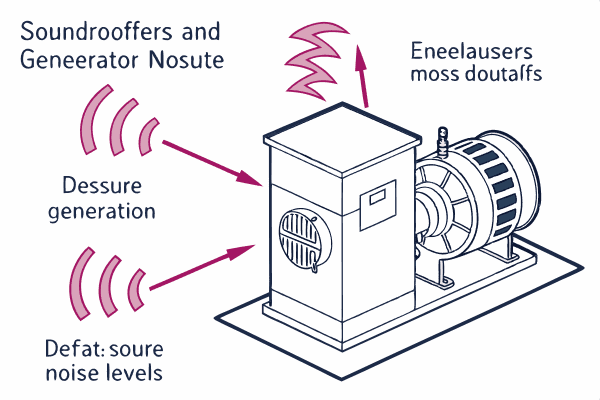
Credit: generatordieselchina.com
Emissions And Environmental Impact
Standby generators release pollutantslike carbon monoxide, nitrogen oxides, and hydrocarbons. These gases can harm the air qualityand environment. The amount depends on the fuel type and engine condition.
Catalytic convertershelp reduce harmful emissions by changing toxic gasesinto less harmful ones. They are common in cars but not always in standby generators.
Some modern standby generators include catalytic converters to meet emission standards. They help lower pollutants but need regular maintenance to work well.
| Pollutant | Source | Effect |
|---|---|---|
| Carbon Monoxide (CO) | Incomplete fuel burning | Poisonous, affects breathing |
| Nitrogen Oxides (NOx) | High engine temperature | Causes smog and acid rain |
| Hydrocarbons (HC) | Fuel evaporation and exhaust | Contributes to smog |
Regulations And Standards
Generators must meet strict emission standardsset by law. These rules limit the amount of harmful gasesreleased. Standards vary by country and region. They affect how generators are built and what parts they use.
Designers often add special partsto reduce pollution. Catalytic converters are one option. They help turn bad gases into less harmful ones. But not all standby generators have them. Some use other methods to meet rules.
| Emission Standard | Effect on Generator Design |
|---|---|
| EPA Tier 4 | Requires low emissions; often uses catalytic converters |
| EU Stage V | Strict limits; needs advanced emission controls |
| CARB | California rules; promotes cleaner engines and parts |
Alternatives To Catalytic Converters
Standby generators often use other emission reduction technologiesbesides catalytic converters. Common choices include:
- Exhaust gas recirculation (EGR)to lower nitrogen oxide emissions.
- Diesel particulate filters (DPF)to trap soot and particles.
- Selective catalytic reduction (SCR)systems that use urea to reduce harmful gases.
- Oxygen sensorsthat help engines burn fuel more cleanly.
Good maintenance practiceskeep generators cleaner and running longer.
- Change oil and filters regularly.
- Keep air filters clean for better airflow.
- Check spark plugs and fuel injectors often.
- Run the generator regularly to prevent buildup.
These steps help reduce emissions and improve generator efficiency.
Choosing The Right Generator
Standby generators usually do not have catalytic converters. They focus more on power and reliability. Catalytic converters reduce harmful gases in cars but are rare in generators.
Some modern generators include emission control featureslike mufflers and filters. These help lower noise and pollutionbut are not as strict as car standards.
Choosing a generator means balancing power needs and environmental impact. Smaller generators may produce less pollution but also less power. Bigger ones give strong power but more emissions.
- Check emissions standardsfor your area before buying.
- Look for EPA-certifiedor low-emission models if possible.
- Regular maintenancekeeps emissions low and performance high.
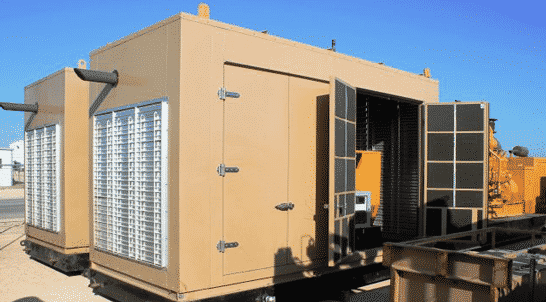
Credit: woodstockpower.com
Frequently Asked Questions
Do Standby Generators Include Catalytic Converters?
Most standby generators do not include catalytic converters by default. They focus on reliable power supply rather than emission control. Some models may offer optional exhaust treatment systems to reduce pollutants. Always check the manufacturer’s specifications for details on emissions equipment.
Why Are Catalytic Converters Uncommon In Generators?
Generators operate under varying loads and conditions, making catalytic converter use less practical. These devices work best with steady engine temperatures and consistent exhaust flow. Standby generators prioritize durability and performance, so emission controls like catalytic converters are less common.
How Do Standby Generators Control Emissions Without Converters?
Standby generators use advanced engine technology and cleaner fuels to reduce emissions. Regular maintenance ensures efficient combustion and lowers pollutants. Some models comply with emission standards through engine design rather than catalytic converters.
Can I Add A Catalytic Converter To My Generator?
Yes, aftermarket catalytic converters can be installed on some generators to reduce emissions. However, installation depends on the generator’s exhaust system design. Consult a professional to ensure proper fit and compliance with local regulations.
Conclusion
Standby generators usually do not have catalytic converters. They use other ways to reduce pollution. These generators focus more on power and reliability. Adding a catalytic converter can raise costs and maintenance. Still, it is important to check local rules on emissions.
Clean air matters for health and the environment. Choosing the right generator means balancing power and safety. Keep your generator well maintained for better performance. Understanding how it works helps you make smart decisions.