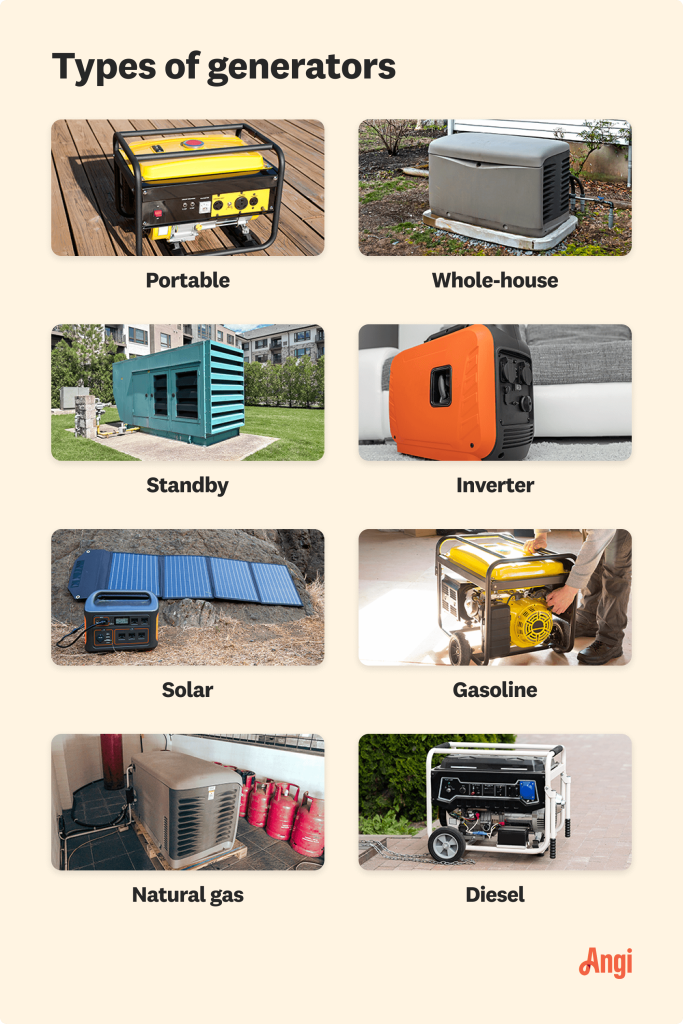
Are you exploring standby generators and wondering if they come with two-phase outputs? You’re in the right place.
Understanding the technical aspects of generators can be daunting, but it doesn’t have to be. Imagine the peace of mind knowing you have the right generator for your needs, especially during unexpected power outages. We’ll dive into the specifics of standby generators and their output phases.
By the end, you’ll have a clear grasp of whether a two-phase output is what you’re looking for. Let’s unravel the mystery together and ensure you’re making an informed decision.
Basics Of Standby Generators
Standby generatorsprovide power during outages. They start automatically when power fails. These generators connect to a home or building’s electrical system. They keep essential devices running, like lights and refrigerators.
Generators produce electricity in different ways. The two main types are single-phaseand three-phase. Single-phase is common in homes. Three-phase is used in big buildings and industries. Some generators can have both outputs.
| Output Type | Common Use | Voltage |
|---|---|---|
| Single-Phase | Homes, small businesses | 120V or 240V |
| Two-Phase (Less common) | Special equipment | Varies |
| Three-Phase | Large buildings, industry | 208V, 480V or more |
Single Phase Vs Two Phase Power
Standby generators typically provide single-phase power, suitable for most home needs. Two-phase outputs are rare and usually found in specialized equipment or larger generators. Understanding this helps choose the right generator for your power requirements.
Characteristics Of Single Phase Output
Single phase poweruses two wires: one live and one neutral. It is common in homes and small buildings. The voltage rises and falls in a smooth wave. This makes it good for simple appliances like lights and fans. Single phase power is easier to install and costs less. It works well for devices that do not need a lot of power.
Why Two Phase Power Is Rare
Two phase poweruses two separate waves, each 90 degrees apart. It was used in early electrical systems but is now uncommon. Most modern systems use three phase powerinstead. Two phase systems are more complex and expensive. They need special equipment that is hard to find today. This makes two phase power rare in homes and businesses.
How Standby Generators Produce Power
Standby generators have different ways to produce power. They use an internal wiring systemto create electrical phases. These phases carry electricity to your home or building.
Many standby generators offer single-phaseor three-phaseoutputs. The internal wiring decides how many phases it can supply.
| Output Type | Description | Use Case |
|---|---|---|
| Single-Phase | One AC voltage phase | Homes and small businesses |
| Two-Phase | Two AC voltage phases, less common | Rare in standby generators |
| Three-Phase | Three AC voltage phases | Large buildings and industries |

Credit: blog.norwall.com
Identifying Generator Output Phases
Generator specifications show the type of output phases clearly. Most standby generators have either single-phaseor three-phaseoutputs. The spec sheet lists voltage and phases, such as 120/240V single-phase or 208V three-phase. Understanding these details helps match the generator to your power needs. Look for terms like “phase” or “output voltage.”
Testing output phases requires safety. Always use a multimeteror voltage tester designed for generators. Make sure the generator is off before connecting test tools. Then, start the generator and measure voltage between terminals. Check if you get two different voltage readings, which means multiple phases. Wear protective glovesand stay clear of live wires.
Applications And Phase Requirements
Most residential standby generatorssupply a single-phase output. This matches the typical power needs of homes. Single-phase power supports common appliances like lights, refrigerators, and heating systems. Homes usually do not need two-phase or three-phase power.
Commercial and industrial buildings often require two-phase or three-phase power. These setups support heavier machines and equipment. Standby generators for such places come with multiple phase outputsto handle varied electrical loads. This ensures smooth operation during outages.
| Setting | Common Phase Output | Typical Use |
|---|---|---|
| Residential | Single-phase | Appliances, lighting, heating |
| Commercial | Two-phase or three-phase | Heavy machinery, office equipment |
| Industrial | Three-phase | Large motors, manufacturing tools |

Credit: www.generac.com
Alternatives To Two Phase Generators
Single phase generators can work with transformers to create two phase power. Transformers change the voltage and phase of electricity. This helps to balance the load and provide stable power. Using this setup is common in homes and small businesses.
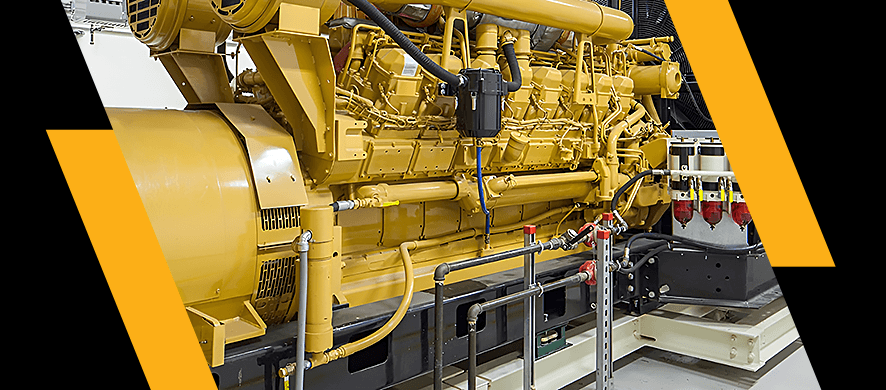
Three phase generators have three separate power lines. They deliver power in a cycle that is 120 degrees apart. This setup gives smoother and more reliable energy. It is often used for big buildings and factories that need a lot of power.
| Type | Phases | Use | Advantages |
|---|---|---|---|
| Single Phase with Transformer | 1 | Homes, Small Loads | Simple, Cost-Effective, Can Create Two Phase |
| Three Phase Generator | 3 | Factories, Large Loads | Smoother Power, More Stable, Efficient |
Credit: woodstockpower.com
Frequently Asked Questions
Do Standby Generators Provide Two Phase Outputs?
Standby generators typically provide single or three-phase outputs, not two-phase. Two-phase power is uncommon in modern systems. Most generators cater to single or three-phase needs for residential or commercial use.
What Type Of Phases Do Standby Generators Offer?
Most standby generators offer single-phase or three-phase outputs. Single-phase suits homes, while three-phase supports commercial or industrial loads. Two-phase power is generally not available in standby generators.
Can I Convert Standby Generators To Two-phase Output?
Converting a standby generator to two-phase output is not practical. Modern electrical systems use single or three-phase power. It’s better to select a generator that meets your phase requirements from the start.
Why Is Two-phase Power Rare In Standby Generators?
Two-phase power is rare because modern electrical systems favor single or three-phase setups. These offer better efficiency and compatibility. Standby generators follow this trend to meet current electrical standards.
Conclusion
Standby generators can have two-phase outputs depending on the model. Many home generators provide single or split-phase power for typical household use. Some commercial or larger units offer two-phase or three-phase power for bigger needs. Knowing your power needs helps you choose the right generator.
Always check the generator’s specifications before buying. This ensures it matches your electrical system. Understanding this can prevent future issues and save money. Choose wisely for reliable power during outages.