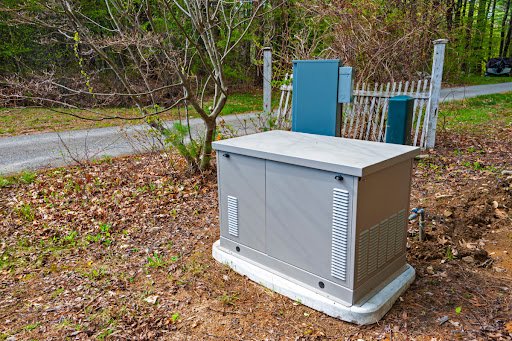
Imagine this: a storm rolls in, the power goes out, and you’re left in the dark. But not for long, because you have a standby generator ready to kick in.
Now, here’s a question you might not have considered: does your trusty standby generator need a concrete pad to operate efficiently and safely? This might seem like a small detail, but it’s crucial for the longevity and performance of your generator.
You might be wondering if the investment in a concrete pad is worth it, or if it’s just an unnecessary expense. By the time you finish reading this article, you’ll have a clear understanding of why a concrete pad could be essential for your generator. We’ll delve into the benefits of using a concrete pad, explore potential pitfalls of skipping it, and help you make the best decision for your setup. So, let’s get into the nitty-gritty of why this foundational support might be more important than you think.

Credit: blog.norwall.com
Importance Of A Solid Foundation
A solid foundation keeps the generator stable and safe. A concrete pad offers a flat surface, preventing tilts. This avoids damage or malfunction during use. Concrete is strong and durable, perfect for heavy generators. It stops the machine from sinking into the soil.
Without a proper base, generators might vibrate a lot. This can cause parts to wear out quickly. Vibrations can also create annoying noises. A concrete pad reduces these unwanted sounds.
It helps in keeping the generator clean too. Dirt and mud can’t easily reach the machine. This extends the life of the generator. A clean generator works better and lasts longer.

Credit: m.facebook.com
Benefits Of Concrete Pads
Concrete pads provide stability for standby generators, preventing shifting. They also ensure level installation, which aids in efficient operation.
Stability And Safety
Concrete pads offer strong stabilityfor generators. They keep the generator from moving. This helps in avoiding accidentsand damage. The generator stays in place even during storms. A stable base means the generator works efficiently. It also helps in reducing noise. This makes the environment quieter and safer.
Protecting Against Flooding
Concrete pads help protect generators from flooding. They lift the generator above ground level. This prevents water from reaching the machine. Floods can damage generators easily. But a concrete pad keeps them safe. This means fewer repairs and longer life. It’s a simple way to keep your generator dry.
Alternatives To Concrete Pads
Gravel bedscan support standby generators. They provide good drainage. Water won’t pool under the generator. This prevents rust and damage. Choose pea gravel or crushed stone. Spread it evenly. It should be at least 6 inches deep. Use a border to keep gravel in place. This helps maintain the bed’s shape. Keep it level for stability. Check it regularly. Add more gravel if needed.
Compacted soilis another option. It is cost-effective. First, remove any grass or plants. Dig a shallow area. It should be wider than the generator. Compact the soil firmly. Use a tool like a tamper. This makes the soil strong. It won’t shift easily. Ensure it’s level. This keeps the generator stable. Regular checks help maintain its strength.
Installation Considerations
Standby generators often require a concrete pad for stability and protection from ground moisture. A solid base ensures efficient operation and longevity. Proper installation safeguards against shifting and uneven surfaces.
Site Assessment
Choosing the right spot is important for a generator. Make sure the area is flat and stable. This helps the generator stay in place during use. A concrete pad can provide a solid base. It keeps the generator level and secure. Check the ground for soft spots or holes. These can cause problems later.
Proper Measurements
Correct measurements ensure the pad fits well. Measure the generator’s length, width, and height. Add a few inches on each side. This gives room for air to flow. A good fit helps the generator work better. Measure twice to be sure. A mistake can be costly. Use a ruler or measuring tape for accuracy.
Maintenance Tips
Standby generators often need a concrete pad for stability and safety. A solid base prevents shifting during operation. Ensure the pad is level and properly sized for efficient performance.
Regular Inspections
Regular checks keep generators working well. Inspect the generator every month. Look for any loose wires or parts. Ensure the oil levels are good. Check the fuel for any leaks. Clean the air filter if it’s dirty. A clean generator works better. Tighten any loose screws or bolts. This prevents bigger problems later. Always keep the generator area clean.
Addressing Cracks
Concrete pads can crack over time. Cracks can harm the generator’s stability. Fill small cracks with sealant. This stops water from getting in. For bigger cracks, consult a professional. They might need to replace the pad. A solid pad keeps the generator safe. It also helps with noise control. Regularly check the pad for any new cracks.
Cost Implications
Standby generators need a strong base. Concrete pads are often used. They keep generators stable. Concrete pads can cost money. Budgeting is important for installation. You need to plan for extra costs. A concrete pad may mean hiring workers. This can add to your expenses. It’s smart to check all costs early. Then, you can avoid surprises.
A concrete pad can save money over time. Generators may last longer with a strong base. They won’t move or shake as much. This means fewer repairs are needed. Less repair means more savings. A concrete pad can help avoid damage. Keeping your generator safe saves money. Think about future savings. Investing now can save later.

Credit: aquariushomeservices.com
Frequently Asked Questions
Can A Generac Sit On Gravel?
Yes, a Generac generator can sit on gravel. Ensure the area is level, compact, and well-drained. Proper installation prevents shifting and allows for efficient operation. Regular maintenance keeps the generator secure and functional. Gravel provides a stable base, offering good support and drainage for the unit.
What Should A Generac Generator Sit On?
A Generac generator should sit on a stable, level concrete pad or gravel base. Ensure proper drainage to prevent water accumulation. This foundation helps maintain stability, reduces vibration, and extends the generator’s lifespan. Always follow manufacturer guidelines for installation to ensure optimal performance and safety.
Does A Generator Need To Be On A Slab?
Generators should be placed on a concrete slab for stability and protection. This prevents sinking and ensures proper leveling. A slab also helps reduce vibration and noise. Always follow the manufacturer’s guidelines for installation. Proper placement on a slab increases the generator’s lifespan and efficiency.
Do I Need A Pad For My Generator?
A pad for your generator is essential for stability and protection. It prevents damage from moisture and debris. Ensure it’s level and solid for optimal performance. Proper installation enhances safety and prolongs the lifespan of your generator, making it a worthwhile investment for long-term use.
Conclusion
Concrete pads offer strong support for standby generators. They ensure stability and safety. Without a proper base, generators may shift or tilt. This could lead to performance issues. Installing a concrete pad also protects the generator from flooding. It keeps the equipment level and anchored.
Considering all these benefits, it makes sense. A concrete pad is a wise investment for generator longevity. It enhances performance and protects your investment. So, think about it. Ensure your generator’s foundation is solid and reliable. With that in mind, your generator will run smoothly.
Peace of mind guaranteed.