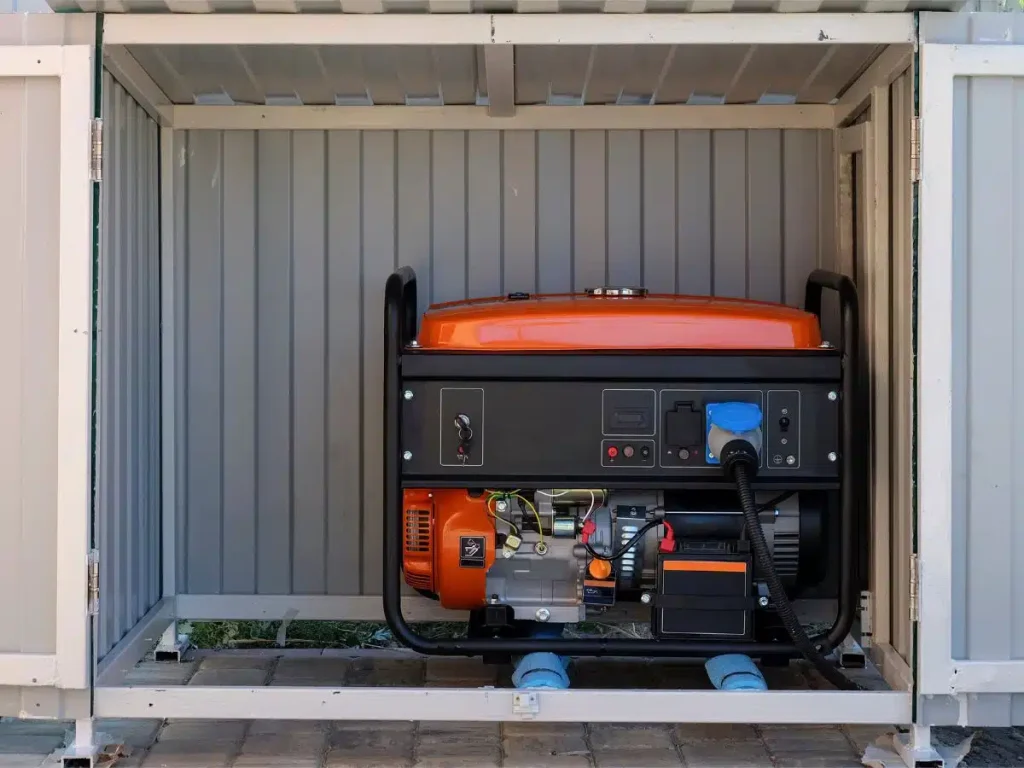
Imagine it’s a stormy night, and the power suddenly goes out. You rely on your standby generator to keep your home running smoothly.
But what happens if your generator doesn’t start? The culprit could be a dead battery. You might wonder, “Do standby generators need battery replacement? ” This is a crucial question, especially if you depend on your generator during emergencies. Understanding the importance of battery maintenance can save you from unexpected hassles and ensure peace of mind.
We will explore why battery replacement is essential, how often it should be done, and what signs to watch for. Stick around, because knowing these details could make all the difference when you need your generator the most.
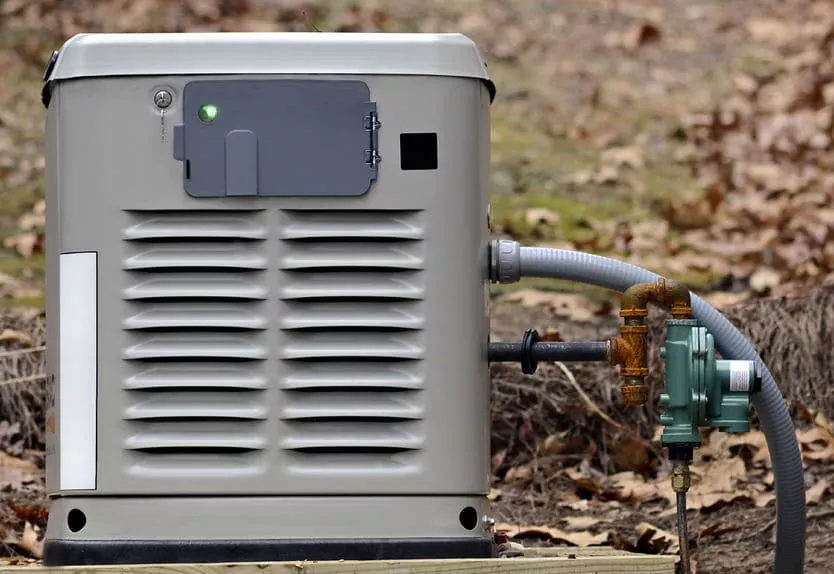
Credit: www.premium-electric.ca
Importance Of Battery In Standby Generators
Batteriespower the startup of standby generators. They store the energy needed for quick ignition. Generators rely on batteries to kickstart during power outages. Without a functioning battery, generators can’t start. This can lead to power failures when it’s needed most.
Batteries also help in maintaining the generator’s performance. A healthy battery ensures the generator runs smoothly. It is important to check the battery regularly. This helps in avoiding any unexpected issues.
Replacing old batteries is crucial. Old batteries can weaken over time. A weak battery can delay or fail to start the generator. Keep an eye on the battery’s age and condition. Regular checks ensure reliability when the generator is needed.
Signs Of Battery Wear
Standby generators might need battery replacement if they show signs like slow engine cranking or dim control panel lights. Corrosion on battery terminals can also indicate wear. Regular checks ensure reliable performance.
Slow Start
A generator should start quickly. If it takes time, the battery may be weak. This slow start can mean battery wear. A fresh battery will help the generator start fast.
Dimming Lights
Lights should stay bright when the generator runs. If they dim, the battery might be old. Dimming lights show the battery can’t hold power well. Check the battery if lights flicker.
Frequent Alarm Notifications
Generators have alarms for issues. If alarms go off often, check the battery. Alarms can warn of a weak battery. Replacing the battery can stop these alerts. Keep the generator running smoothly with a good battery.
Battery Replacement Frequency
Manufacturersoften provide guidelines for battery replacement. These guidelines vary by brand. Most suggest changing the battery every 3 to 5 years. It’s important to follow these recommendations. This ensures your generator works when needed. Always check the manual for specific advice.
How often you use the generator affects battery life. Frequent use may wear out the battery faster. If you rarely use the generator, the battery might last longer. Regular checks help maintain battery health. Always keep an eye on performance. Replace the battery if it shows signs of weakness. This keeps your generator reliable.
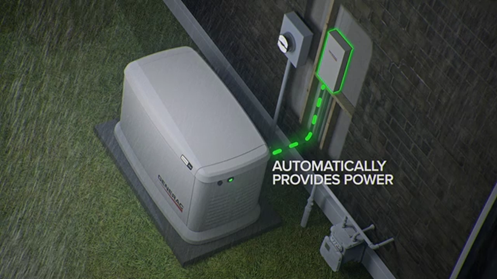
Credit: www.generac.com
Choosing The Right Replacement Battery
Standby generators need battery replacement for consistent performance. A reliable battery ensures the generator starts during power outages. Choose a battery compatible with your generator’s specifications for optimal efficiency.
Battery Types
Standby generators use different types of batteries. The most common are lead-acid and AGM. Lead-acid batteries are cheaper but need more maintenance. AGM batteries last longer and need less care. Each type has its own pros and cons.
Compatibility Factors
Choosing the correct battery is important. Check the generator’s manual for battery specs. Ensure the new battery matches voltage and size. Incorrect batteries can damage the generator. The right battery ensures the generator works well. Always choose a battery from a trusted brand.
Maintaining Standby Generator Batteries
Inspect batteriesoften to ensure they are in good shape. Check for any corrosionon the terminals. Look for any cracks or leaksin the battery case. Make sure the battery is securely connected. Use a voltmeterto test the battery’s charge. If the charge is low, it might need rechargingor replacement. Keep the battery area cleanand dry. Regular checks can prevent sudden failures.
Store batteries in a cool and dry place. Keep them away from direct sunlightand heat sources. High temperatures can reduce battery life. Ensure batteries are stored uprightto prevent leaks. Use a trickle chargerif stored for long periods. This helps maintain the charge. Proper storage increases battery lifespan. Always follow the manufacturer’s guidelinesfor storage.
Professional Battery Replacement Services
Professional help ensures safe battery replacement. Technicians handle complex tasks expertly. They use proper tools and techniques. This prevents damage to generators. Professionals offer warranties on their services. These warranties guarantee quality work. Expert help extends generator lifespan. It ensures optimal performance. Regular service prevents unexpected failures. Peace of mind is an added bonus.
Qualified technicians have special training. They understand different generator models. Certification proves their skills. Look for technicians with good reviews. Ask friends for recommendations. Check online listings for local experts. Choose technicians who communicate well. Clear communication means better service. Trustworthy technicians provide cost estimates. They explain every step clearly. Always verify their credentials.
Diy Battery Replacement Tips
Standby generators require regular battery checks to ensure reliability. Replace batteries every three to five years for optimal performance. Proper maintenance avoids unexpected power failures during critical moments.
Safety Precautions
- Wear gloves to protect your hands.
- Ensure tools are insulated.
- Keep children away from the area.
- Use goggles to shield your eyes.
- Turn off the generator before starting.
Step-by-step Guide
Locate the battery compartment. Open it carefully. Disconnect the old battery. Use the correct wrench. Remove it gently. Check for corrosion or dirt. Clean the connectors if dirty. Install the new battery. Ensure it fits snugly. Tighten the connectors properly. Double-check all connections. Close the compartment securely.
Test the generator. Make sure it starts smoothly. Listen for any unusual sounds. If it works fine, the replacement is successful. Dispose of the old battery responsibly. Follow local rules for battery disposal.

Credit: www.gfepowerproducts.com
Frequently Asked Questions
How Often Should I Replace My Standby Generator Battery?
Replace your standby generator battery every 2-3 years. Regular maintenance checks can extend battery life. Ensure the battery is tested annually to prevent unexpected failures. Keeping the battery clean and connections tight improves performance. Always follow the manufacturer’s recommendations for optimal results.
Does A Standby Generator Have A Battery?
Yes, a standby generator typically has a battery. The battery starts the generator automatically during a power outage. Regular maintenance ensures the battery remains functional. Proper battery care extends the generator’s lifespan and reliability. Always consult the generator’s manual for specific battery requirements and maintenance tips.
How Long Does A Battery Last In A Generac Generator?
A Generac generator battery typically lasts 3 to 5 years. Regular maintenance can extend its lifespan. Keep the battery clean and check connections often. Replace it when performance declines to ensure reliable operation during power outages.
What Is The Average Lifespan Of A Standby Generator?
A standby generator typically lasts 10 to 30 years, depending on usage and maintenance. Regular upkeep extends lifespan significantly. Factors like quality, installation, and environment influence durability. Proper care ensures reliable performance, making investment worthwhile for homeowners seeking continuous power supply.
Choose reputable brands for longer service life.
Conclusion
Regular battery checks in standby generators ensure consistent performance. Batteries deteriorate over time. Replacing them avoids unexpected power failures. Always follow the manufacturer’s guidelines. This guarantees the best lifespan for your generator. Proper maintenance saves money in the long run.
A small effort, big peace of mind. Regular care keeps your generator ready. Always prepared for power outages. Keep your home safe and comfortable. Regular battery replacement is key. Simple steps lead to lasting benefits. No surprises during storms. Stay powered, stay secure.