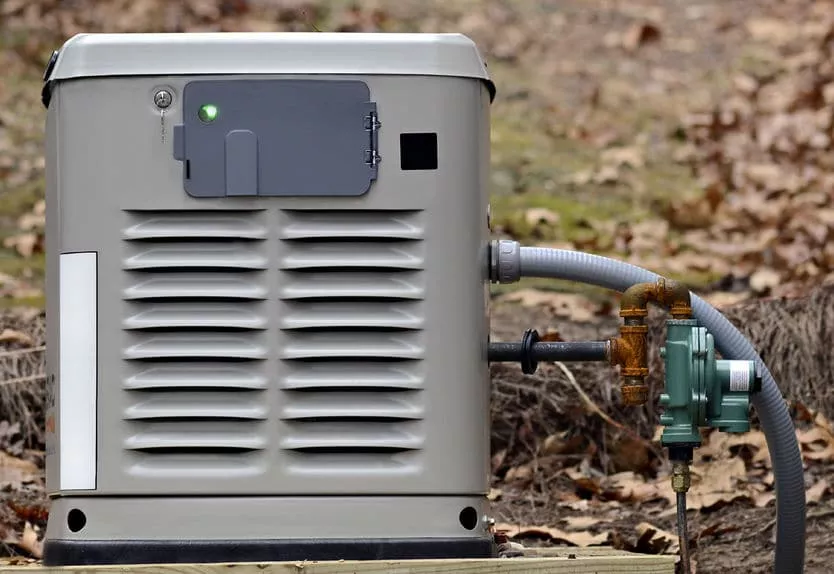
Have you ever wondered if standby generators need gas to keep your home powered during an outage? Knowing the answer can save you time, money, and stress when the lights go out.
If you want to make sure your generator is ready to protect your family and belongings, understanding its fuel requirements is key. Keep reading, and you’ll discover everything you need to know about standby generators and their gas needs—so you can be fully prepared when it matters most.
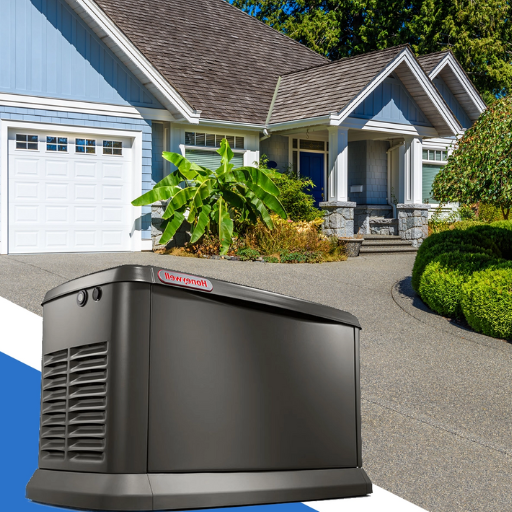
Credit: shgeneratorset.com
Types Of Standby Generators
Gas-powered generatorsare the most common type. They run on natural gas or propane. These generators start automatically during power outages. Natural gas is often cheaper and easier to supply for homes. Propane can be stored for a long time and works well in cold weather.
Diesel and propane alternativesprovide strong power for larger needs. Diesel generators are very durable but need more maintenance. Propane generators burn cleaner than diesel and last longer without use. Both types are good for places without natural gas lines.
Electric standby optionsuse batteries or are connected to the electric grid. Battery backup systems provide quiet, clean power but for shorter times. They need recharging after use. These systems are good for small devices and short outages.
How Gas Powers Generators
Natural gasis a common fuel for standby generators. It flows through pipelines directly to the generator, offering a steady fuel supply. This means the generator can run for a long time without refilling. Natural gas is clean burning, which helps keep the engine and environment cleaner.
Propaneis another fuel option. It is stored in tanks on-site and used when natural gas is not available. Propane burns well and keeps the generator ready for power outages. It is easy to store but needs regular refilling.
| Fuel Type | Fuel Source | Advantages | Storage |
|---|---|---|---|
| Natural Gas | Pipelines | Continuous supply, clean burning | No storage needed on-site |
| Propane | On-site tanks | Portable, reliable in remote areas | Requires tank refilling |
Benefits Of Gas-powered Generators
Gas-powered generatorsuse natural gas or propane. These fuels are often easy to get. Many homes already have natural gas lines. This makes fuel supply steady during power outages.
They cost less to run than gasoline or diesel generators. Gas prices are usually stable. This helps save money on fuel over time.
| Aspect | Gas-Powered Generator | Other Fuel Types |
|---|---|---|
| Fuel Availability | Continuous supply from gas lines | Needs storage or delivery |
| Cost Efficiency | Lower fuel cost, less maintenance | Higher fuel cost, more upkeep |
| Environmental Impact | Burns cleaner, fewer emissions | More pollution and waste |

Credit: www.aeheatingandcooling.com
When Gas Is Not Required
Some standby generators do not need gas to work. Battery-operated modelsuse built-in batteries to store power. These can run for several hours without fuel. They are quiet and easy to maintain.
Solar standby generatorsuse sunlight to create electricity. Solar panels charge the battery during the day. This type of generator is clean and saves money on fuel.
Hybrid systemscombine solar power with battery storage and sometimes a small gas engine. This mix helps keep power steady when sunlight is low. It reduces fuel use and pollution.
Installation Considerations
Access to a reliable fuel sourceis essential for standby generators. Many use natural gas, but propane or diesel are also options. The fuel supply should be close and easy to connect. This reduces installation costs and future maintenance problems.
Safety is a top priority during installation. The generator must be placed on a stable, level surface away from windows and vents. Proper ventilation prevents dangerous gas buildup. Install carbon monoxide detectors near the unit for extra protection.
| Local Regulations | Details |
|---|---|
| Permits | Check if local permits are needed for installation. |
| Codes | Follow building and electrical codes strictly. |
| Inspection | Schedule inspections to ensure safety and compliance. |
Maintenance Tips For Gas Generators
Fuel qualityplays a big role in generator performance. Use fresh fuel and store it in a cool, dry place. Old or contaminated fuel can cause engine problems. Check fuel lines and tanks for leaks or damage regularly.
Regular inspections help catch small issues early. Look for loose wires, worn parts, and dirt buildup. Clean the generator’s exterior and air filters to keep it running smoothly. Test the generator under load at least once a month to ensure reliability.
Common issues include starting trouble, strange noises, and low power output. Check the battery charge and spark plugs. Tighten any loose connections. If the generator runs rough, it may need an oil change or professional service. Keep a log of all maintenance activities for reference.
Cost Factors To Consider
The initial investmentfor a standby generator depends on the type and size. Gas-powered models may cost less upfront than propane or diesel options. Installation fees also add to the total price.
Fuel expensesvary by fuel type. Natural gas is often cheaper and easier to supply continuously. Propane and diesel can be pricier but might offer better storage life.
Considering long-term savings, natural gas generators tend to have lower running costs. Fuel availability and maintenance needs affect overall expenses. A well-chosen generator can save money over time.

Credit: www.angi.com
Frequently Asked Questions
Do Standby Generators Require Gas To Operate?
Standby generators often use natural gas or propane, but some models run on diesel or gasoline. Gas is common due to convenience and availability. Your choice depends on fuel access, generator type, and usage needs.
Can Standby Generators Run On Alternative Fuels?
Yes, many standby generators support propane, natural gas, or diesel. Some models are dual-fuel, offering flexibility. Alternative fuels help ensure power during outages when one fuel source is unavailable.
How Does Gas Type Affect Standby Generator Performance?
Gas type influences runtime, efficiency, and emissions. Natural gas burns cleaner but may have lower energy density than propane. Diesel offers high power but requires more maintenance. Choose gas based on availability and generator design.
Is Natural Gas Better Than Propane For Standby Generators?
Natural gas is cost-effective and convenient with a steady supply. Propane stores easily and lasts longer without degradation. Both are reliable; the best choice depends on your home’s fuel setup and generator compatibility.
Conclusion
Standby generators often need gas to operate efficiently. Gas provides reliable power. Always check the fuel type before purchase. Maintenance ensures a longer lifespan and fewer problems. Regular inspections help identify issues early. Gasoline, natural gas, or propane are common fuels.
Choose the best option for your generator’s needs. Proper storage of gas is crucial for safety. Safe storage prevents accidents and fuel degradation. Understanding your generator’s fuel needs is essential. It ensures readiness during power outages. Make sure to follow the user manual’s guidelines.
A well-prepared generator offers peace of mind and reliability.