
When the power goes out, a standby generator can be a lifesaver. But have you ever wondered if it might be a hidden threat, producing something dangerous, like carbon monoxide?
This invisible gas is known as the “silent killer” for a reason. If you’re using or considering a standby generator, it’s crucial to know exactly what you’re dealing with. Are you putting your safety at risk every time the generator kicks in?
By understanding how these machines operate, you can ensure your home remains both powered and safe. Read on to uncover the truths and myths about carbon monoxide production from standby generators, and learn how to protect yourself and your loved ones. Your peace of mind might just depend on it.

Credit: www.aboutlawsuits.com
How Standby Generators Work
Standby generators turn on automatically during power outages. They supply power to homes or buildings without manual help. These generators have different types based on size and use.
- Air-cooledgenerators are smaller and used for homes.
- Liquid-cooledgenerators are bigger and used for large buildings.
- Portablegenerators can be moved but are not fully automatic.
Fuel sources affect how much pollution a generator makes. Common fuels include:
| Fuel Type | Carbon Monoxide Emissions | Other Notes |
|---|---|---|
| Gasoline | High | Produces more carbon monoxide and needs good ventilation |
| Diesel | Moderate | Cleaner than gasoline but still emits CO |
| Natural Gas | Low | Burns cleaner and produces less carbon monoxide |
| Propane | Low | Cleaner fuel option with fewer emissions |
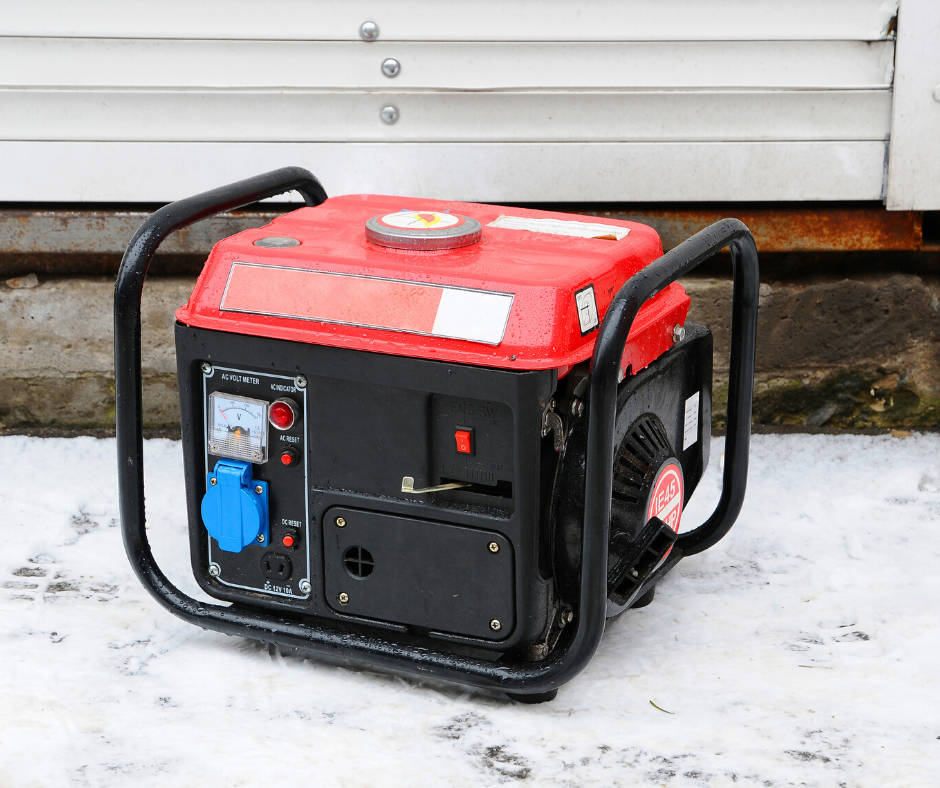
Credit: electec.info
Carbon Monoxide Risks
Standby generators burn fuel to make electricity. This process creates carbon monoxide (CO), a colorless, odorless gas. CO is very dangerous because people cannot see or smell it.
Common sources of carbon monoxidein generators include:
- Gasoline or diesel engines
- Exhaust fumes from the engine
- Incomplete fuel burning
Carbon monoxide stops oxygen from reaching the body’s organs. This can cause serious health effectssuch as:
- Headaches and dizziness
- Nausea and weakness
- Confusion and loss of consciousness
- In severe cases, death
Proper use and placement of generators are key to avoiding CO poisoning.
Safety Precautions
Standby generatorsproduce carbon monoxide (CO), a dangerous gas. Proper placementis key for safety. Place generators outside, far from doors, windows, and vents. Keep them at least 20 feet away from living areas to avoid CO buildup.
Good ventilationhelps CO escape. Never run generators in closed or small spaces. Open areas with fresh air reduce risks. Avoid placing generators near walls that can trap gases.
- Check fuel levels often to prevent leaks.
- Clean air filters regularly to keep the engine running well.
- Inspect exhaust systems for blockages or damage.
- Test carbon monoxide detectors near generator areas.
- Schedule professional servicing at least once a year.
Carbon Monoxide Detectors
Carbon monoxide (CO)is a dangerous gas that can come from standby generators. It is colorless and odorless, so CO detectorsare very important. These detectors can warn you before CO levels become harmful.
Placing detectors close to generatorsand inside homes can save lives. They help alert people to leave or ventilate the area quickly.
| Type of CO Detector | Description |
|---|---|
| Battery-Powered | Easy to install, works during power outages. |
| Plug-In | Plugs into wall outlets, some have battery backup. |
| Hardwired | Connected to home wiring, often with battery backup. |
| Digital Display | Shows CO levels in real time for better monitoring. |
Emergency Response
Carbon monoxide (CO) poisoningcan cause serious health issues. Symptoms include headache, dizziness, nausea, and confusion. People may also feel weak or have trouble breathing. These signs mean CO is in the air.
During exposure, move to fresh air immediately. Call emergency services for help. Do not stay in the area with the generator running indoors. Open windows and doors to ventilate the space. If someone faints or stops breathing, perform CPR if trained.
Knowing these symptoms and actions helps keep everyone safe from CO poisoning risks.
Regulations And Standards
Government guidelinesensure standby generators meet safety rules. These rules help reduce risks from carbon monoxide (CO)exposure. Generators must be installed away from living spaces to keep air clean. Local laws often require using CO detectorsnear generator locations.
Installation codesset clear limits on where and how generators can be placed. Proper ventilationis a must to avoid CO build-up. Codes also require regular inspections to make sure generators work safely. Following these codes helps protect homes and families from dangerous fumes.
| Aspect | Details |
|---|---|
| Placement | Must be far from windows, doors, and vents |
| Ventilation | Proper air flow required to prevent CO build-up |
| Safety Devices | CO detectors and alarms recommended |
| Inspections | Regular checks to ensure safe operation |

Credit: x.com
Frequently Asked Questions
Do Standby Generators Emit Carbon Monoxide?
Yes, standby generators do emit carbon monoxide. They burn fuel, producing this harmful gas. Proper ventilation is crucial to avoid dangerous buildup.
How To Prevent Carbon Monoxide From Generators?
To prevent carbon monoxide poisoning, install generators outdoors. Keep them away from windows and vents. Use carbon monoxide detectors for added safety.
Are Standby Generators Safe For Home Use?
Standby generators are safe when installed correctly. Follow manufacturer guidelines and local codes. Ensure proper ventilation and regular maintenance for safety.
Can Carbon Monoxide Detectors Protect From Generator Gas?
Yes, carbon monoxide detectors alert you to dangerous gas levels. Place them near living areas and bedrooms for early warning.
Conclusion
Standby generators do produce carbon monoxide gas. This gas can be harmful or even deadly if it builds up indoors. Always install generators outside, far from windows and doors. Use carbon monoxide detectors in your home for safety. Regular maintenance helps keep your generator running well.
Understanding the risks ensures you protect your family. Stay safe and use your generator wisely.