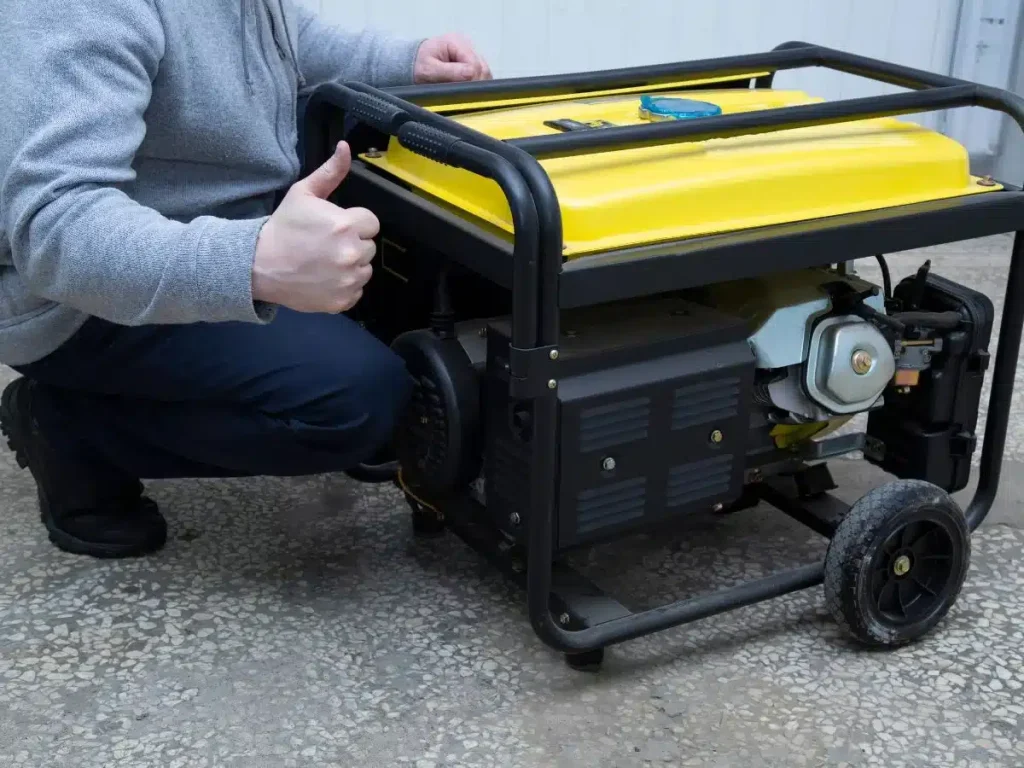
Imagine the unexpected: a sudden power outage in the middle of a storm or during a heatwave. You count on your standby generator to keep the lights on and the fridge running, providing peace of mind in turbulent times.
But have you ever wondered if this vital piece of equipment needs insurance? It might not be the first thing on your mind, yet ensuring your generator is covered could save you from unexpected costs. You’ll discover whether insurance for your standby generator is a necessity or a luxury.
We’ll explore what coverage options exist and why safeguarding your investment might be smarter than you think. Stick around to learn how you can protect your home and wallet from unforeseen expenses.
Importance Of Standby Generators
Standby generators are crucial during power outages. They provide uninterrupted electricityto homes and businesses. This is especially important during storms or emergencies. Many people rely on them for safety and comfort. These generators can power essential applianceslike refrigerators and medical devices. They ensure that food stays fresh and devices stay charged. Standby generators also protect against potential damage. Sudden power loss can harm electronic devices. Having a generator can save money on repairs.
Businesses benefit greatly from standby generators. They prevent loss of productivityduring outages. Operations continue smoothly, avoiding downtime. This helps maintain customer trust and satisfaction. Overall, standby generators offer peace of mind. They ensure that life carries on without disruption.
Understanding Generator Insurance
Standby generators are helpful during power outages. They keep your home running. But what happens if they get damaged? This is where generator insurance comes in. It protects you from unexpected costs. For example, repairs or replacements. Without insurance, these costs can be high.
Some homeowner policies might cover generators. But not all do. It’s important to check your policy. Make sure your generator is covered. If not, you might need extra insurance. This extra coverage ensures peace of mind. You won’t worry during storms or blackouts.
Insurance can cover many things. For instance, storm damage or theft. It can also cover accidents. This is why understanding your policy is crucial. Knowing what is covered helps a lot. Always ask your insurance agent for details. They can guide you well.
Types Of Insurance Coverage
Standby generators might need insurance to protect against unexpected damages or theft. Coverage options can vary, including property and liability insurance. Always check with your provider for specific policies.
Property Damage
Generators can face damage from stormsor accidents. Insurance helps pay for repairs. Some plans cover natural disasters. Others include accidental harm. Check your policy details.
Liability Coverage
If a generator causes harm, insurance helps. It covers damage to someone’s property. It also covers injury to other people. This is important for safety.
Theft And Vandalism
Generators can be stolen or vandalized. Insurance covers losses from theft. It pays for repairs if vandalized. This helps protect your investment.

Credit: insuremyequipment.com
Evaluating Insurance Needs
Standby generators might need insurance to cover damage, theft, or liability. Homeowners should assess their coverage options. This ensures protection against unexpected events.
Risk Assessment
Standby generators can face risks like theftor damage. Natural disasters like storms can also harm them. Assessing these risks helps decide on insurance. Consider your area’s weather patterns and crime rate. A higher risk may mean insurance is needed. Lower risks might not need insurance. Think about how much a generator costs to replace. That helps in making an insurance decision.
Cost-benefit Analysis
Insurance costs money. You pay a fee every year. Think about how much your generator is worth. Compare this to the insurance cost. If the generator is expensive, insurance may be smart. For cheaper generators, insurance might not be worth it. List benefits like peace of mind and security. Compare these to the cost. This helps decide if insurance is a good choice.
Factors Influencing Insurance Requirements
Insurance needs for standby generators depend on factors like location, usage, and potential risks. Homeowners should assess property value, weather conditions, and generator type. This helps determine if coverage is necessary to protect against damage or loss.
Location Considerations
Location affects generator insurance needs. Weather risks are crucial. Storm-prone areas may need more coverage. Flood zones often require insurance. Urban areas might have different rules. Local laws can vary greatly. Some places have stricter codes. Check local regulations carefully. Talk to insurance experts in your area.
Generator Size And Type
Generator size and type impact insurance. Large generators can be costly to insure. Small ones might be cheaper. Type matters too. Portable generators may need less coverage. Permanent units often require more. Fuel type can affect rates. Gas, diesel, or solar generators vary. Installation costs influence insurance decisions. Know your generator’s specifics for better understanding.
Benefits Of Insuring Generators
Standby generators can be costly and vital during power outages. Insuring them offers protection against theft, damage, and repairs. Coverage ensures peace of mind, reducing financial risks and ensuring uninterrupted power supply during emergencies.
Financial Security
Insuranceprovides a safety net for your generator. It helps cover repair costsif something breaks. This means less worry about sudden expenses. Your budgetstays safe. With insurance, you are protected from unexpected bills. It’s like having an extra layer of protectionfor your money.
Peace Of Mind
Knowingyour generator is insured makes life easier. You feel safeand calm. No need to stress about future problems. Insurancegives you confidence. You can relax and enjoy peace. If anything goes wrong, help is ready. Your mind stays at ease, and you can focus on other things. Life becomes simpler and happier.
Finding The Right Insurance Policy
Standby generators might need insurance to protect against damage or liability. Policies vary; check coverage options carefully. Consider factors like location and usage when deciding insurance needs.
Comparing Providers
Start by exploring different insurance companies. Each offers unique plans. Look at the coverage options. Check reviews to learn about their service. Ask friends about their experiences. Compare prices. A good plan doesn’t have to be expensive. Make sure the company is reliable. They should have a good reputation. Customer service is important too. You want them to be helpful when needed.
Customizing Coverage
Think about what coverageyou need. Basic plans might not cover everything. You can add extra coverage. Consider risks your area might face. Some places need specific protection. Ask questions to understand the details. Make sure the policy fits your needs. You should feel secure with the coverage. Adjust the plan as your needs change. Stay informed about any updates.

Credit: www.generac.com
Common Misconceptions
Many believe their homeowner’s policycovers all home items. This is not always true. Some think all damages are insured. This can be misleading. Knowing your policy is key. Read it carefully. Understand what is included. This helps avoid surprises.
Homeowner’s Policy Coverage
Homeowner’s policies often cover the house and some belongings. But not all items are included. Standby generators might not be covered. Always ask your insurance agent. Check if a generator is listed. If not, it might need extra coverage. Understanding this is important for peace of mind.
Self-insurance Options
Some people choose self-insurancefor their generators. This means saving money for repairs. Instead of paying for insurance, they use their savings. It can work if you are careful. But it is risky. Make sure you save enough. Think about the generator’s cost and possible repairs. This helps in making a smart choice.
Steps To Insure Your Generator
Insuring your standby generator is crucial for protection against unforeseen damages. Check if your homeowner’s insurance covers it. If not, consider a separate policy to safeguard your investment.
Assessing Current Coverage
Check your home insurance policy. See if it covers standby generators. Many policies do not cover them. You might need extra coverage. Talk with your insurance provider. Ask them about adding generator coverage. Knowing your current coverage is crucial. It helps you understand what you need.
Consulting With Insurance Agents
Contact an insurance agent. They can guide you. Discuss your generator’s needs. Explain its value and usage. Agents can offer coverage options. They help you find the right policy. It’s important to get expert advice. They make sure your generator is well insured.
Credit: www.generac.com
Frequently Asked Questions
Are Generac Generators Covered By Homeowners Insurance?
Homeowners insurance may cover Generac generators if they’re listed as personal property. Policies vary, so check your coverage details. Damages from covered perils like fire or theft are often included. Consider adding equipment breakdown coverage for extra protection. Always consult your insurance provider for specific information.
What Are The Rules For Standby Generators?
Standby generators must comply with local building codes and regulations. Ensure proper installation by a certified technician. Maintain clearances for ventilation and safety. Regularly inspect and service generators to ensure functionality. Use approved fuel storage containers. Always prioritize safety during operation.
Does A Standby Generator Lower Homeowners Insurance?
A standby generator may lower homeowners insurance by reducing risk of damage during power outages. Check with your insurer for potential discounts. Always ensure proper installation and maintenance for safety. Consider discussing with your insurance agent to explore possible savings on premiums.
Do I Need A Permit To Install A Standby Generator?
Yes, you typically need a permit to install a standby generator. Local regulations vary, so check with your local building authority. Proper installation ensures safety and compliance with electrical codes. Always hire a licensed professional for the installation process to avoid any legal issues.
Conclusion
Insurance for standby generators offers peace of mind. It protects your investment from unexpected damages. Whether it’s storms or power surges, coverage can help. Consider potential risks and costs before deciding. Weigh the benefits against the expenses. Discuss with an insurance professional for tailored advice.
Understand what policies cover and any exclusions. Protecting your generator can save money in the long run. It’s about securing your home’s safety and comfort. Making an informed choice ensures you’re prepared. Stay proactive and safeguard your power source.