
Imagine being in the middle of a storm, and suddenly, the power goes out. You reach for the flashlight, but what if you had a standby generator ready to kick in?
It could be the difference between a cold, dark night and the comfort of a warm, lit home. But before you can install one, there’s a crucial question you need to ask: Do standby generators require permits? This is not just about following the rules; it’s about ensuring safety, avoiding fines, and making sure your investment is protected.
You might be wondering if the process is complicated or costly. Don’t worry, we’re here to break it down for you. You’ll discover everything you need to know about permits for standby generators, so you can make an informed decision and keep your home powered up without hassle. Let’s dive in and get your questions answered.

Credit: www.permitflow.com
Permits For Standby Generators
Standby generators are powerful machines. They provide backup electricity during outages. But installing them isn’t simple. Safety is the top reason for needing permits. Incorrect installation can be dangerous. It may cause fires or electric shocks. Permits ensure the generator is installed correctly. They also make sure it doesn’t disturb neighbors. Local rules may vary, so always check first. Permits help protect everyone.
Installing a standby generator often requires multiple permits. A building permit is common. It checks if the installation is safe. An electrical permit is also needed. It ensures all wiring is correct. Some places ask for a noise permit. This is to check the generator’s sound levels. Always contact local authorities for exact requirements. They will provide a list of necessary permits.
Understanding Local Regulations
Understanding local regulations is crucial for installing standby generators. Permits may be required, depending on your location and generator type. Check with local authorities to ensure compliance and avoid potential fines.
Researching Local Codes
Standby generators might need permits. Each area has different rules. Local codes tell you what is needed. Always check these codes before installing a generator. This ensures safety and legality. Some areas have strict guidelines. Others might be more relaxed. Understanding these codes can save time and money.
Consulting With Authorities
It’s important to talk to local authorities. They can give clear answers about permits. These experts know the rules well. They help avoid mistakes that can cost you. It’s better to ask questions early. This can prevent problems later. Always keep a record of your conversations. It helps in case of any disputes.
Installation Guidelines
Local regulations often require permits for installing standby generators. Check with local authorities to ensure compliance. Proper permits help avoid legal issues and ensure safe installation.
Professional Vs Diy Installation
Choosing between a professionalor DIY installation is crucial. Professionals have the right skillsand tools. They can ensure the generator works safely. DIY might seem cheaper, but it’s risky. Mistakes can lead to damageor injury. Always consider safety first. Professionals know all the rules. They follow guidelines to avoid problems. Your home and family stay protected. Think about your own skills. If unsure, hire a professional. It saves time and worry.
Safety And Compliance Measures
Safetyis the top priority during installation. Install generators in well-ventilated areas. This prevents toxic gas buildup. Check local laws and permits. Some places require permits for generators. Follow all safety guidelines strictly. Incorrect installation can be dangerous. Use proper materials and tools. Always keep a fire extinguisher nearby. Regularly check your generator for issues. This ensures it runs safely. Stay safe and follow all rules.
Common Permit Challenges
Getting a permit for standby generators can be complex. Local regulations often vary, requiring careful planning to meet safety standards. Understanding zoning rules and submitting proper documentation are key to avoiding delays.
Navigating Bureaucracy
Getting permits for standby generators can be tricky. Many towns have different rules. It’s important to know these rules before starting. Some places need special forms filled out. Others require inspections. This can cause delays if not done right. Always check with your local government. They can guide you on what’s needed. Sometimes, talking to neighbors helps too. They might have gone through the same process. Being prepared saves time and trouble.
Cost Implications
Permits can cost money. The price varies by location. Some places charge a lot. Others might have smaller fees. It’s smart to budget for this. Permit fees are not the only costs. Inspections might have extra charges. Sometimes, you might need to fix things. This adds to the expense. Knowing the costs upfront helps plan better. It also avoids surprises later.
Tips For Streamlined Approval
Gather all the needed papers for your generator. Include a site plan showing where the generator will sit. Also, get a copy of the generator’s specifications and manuals. These are very important. They tell the officials what the generator can do. Also, check the local rules. They can be different in each place. Make sure your documents match these rules. This can help you get the permit faster.
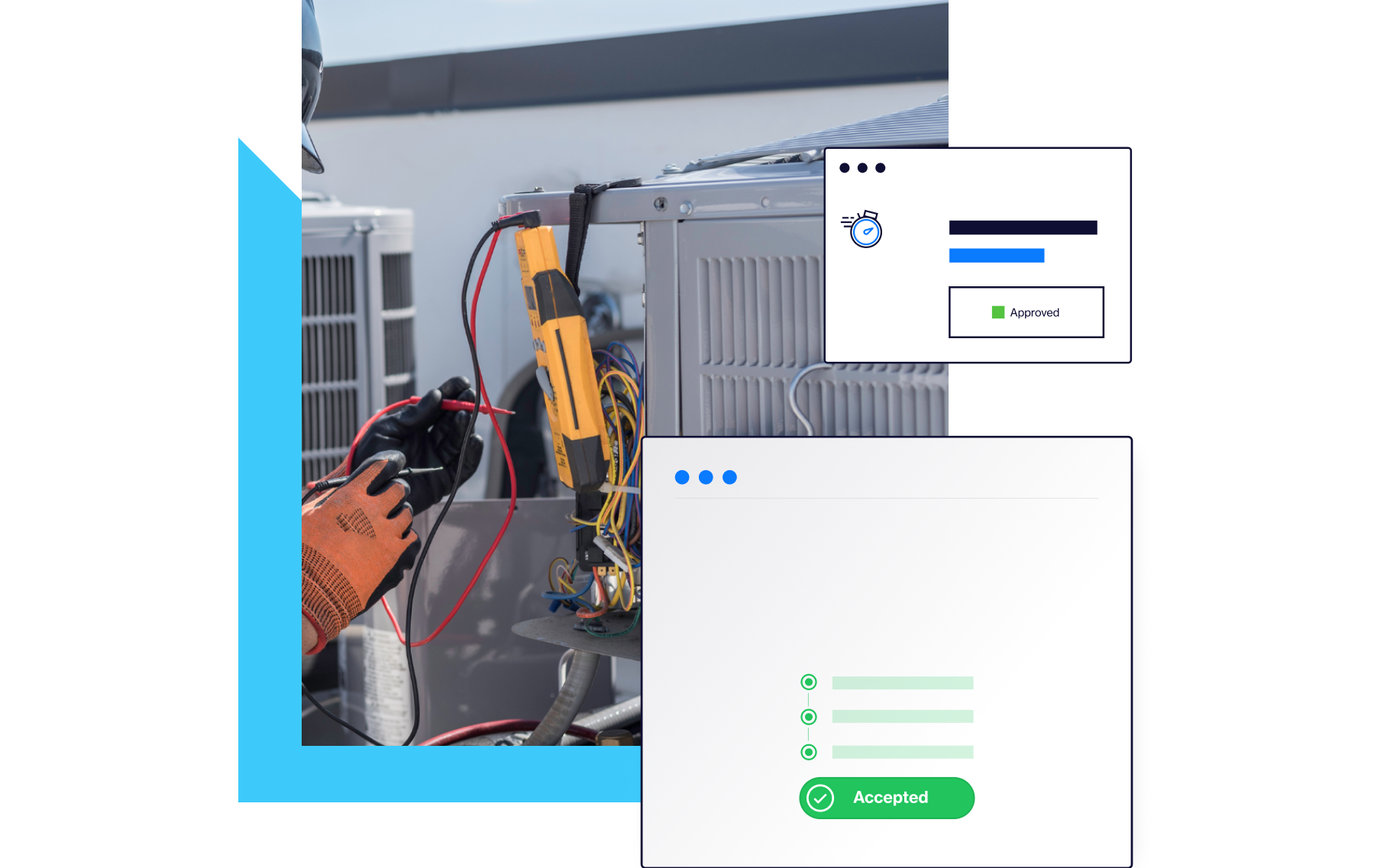
Hire a licensed electrician or a generator expert. They know what permits you need. These experts can help fill out forms correctly. They understand the technical stuff better. This makes the approval process smooth. Talk to them about your project’s needs. Listen to their advice. It can save time and avoid mistakes.
Credit: www.permitflow.com
Consequences Of Skipping Permits
Skipping permits for standby generators can lead to fines and legal issues. Improper installation may also pose safety risks and affect insurance coverage. Always ensure compliance to avoid these consequences.
Legal Risks
Skipping permits can lead to serious legal risks. Authorities may impose fines. These fines can be very high. Unapproved installations may violate local laws. This can result in legal action. Legal problems can be stressful and costly. Always check with local authorities. Ensure compliance with all regulations. This can save you from legal troubles.
Impact On Insurance
Insurance policies may not cover unapproved generators. Claims can be denied if permits are missing. This can lead to financial loss. Insurance companies require compliance. Proper permits ensure coverage. Verify permit needs before installation. This protects against unexpected costs. Always keep your insurance valid.

Credit: www.facebook.com
Frequently Asked Questions
Do I Need A Permit To Install A Standby Generator?
Yes, you typically need a permit to install a standby generator. Check local building codes and regulations. These permits ensure safety and compliance with electrical standards. Contact your local government or building department for specific requirements and guidelines.
What Are The Rules For Standby Generators?
Standby generator rules include proper installation, regular maintenance, and adherence to local codes. Ensure adequate ventilation and fuel storage. Follow manufacturer guidelines for operation and safety. Conduct routine inspections and tests to guarantee functionality during power outages. Always hire qualified professionals for installation and repairs.
What Is A Legally Required Standby Generator?
A legally required standby generator provides power during emergencies to ensure safety and compliance with regulations. It activates automatically during outages, supporting critical systems like lighting, alarms, or medical equipment. These generators are mandated by law for certain facilities to maintain essential operations and protect occupants.
Can I Install My Own Standby Generator?
Installing a standby generator yourself is possible, but hiring a licensed professional ensures safety and compliance. Proper installation requires electrical expertise and knowledge of local codes. Incorrect installation may lead to hazards or void warranties. Always prioritize safety and consult experts for optimal results.
Conclusion
Understanding permits for standby generators is vital. Regulations differ by location. Local laws may require permits for installation. Always check with your local authority. This prevents legal issues and ensures safety. Permits help maintain standards. They might seem complex, but they are necessary.
A licensed professional can guide you. They ensure compliance and handle paperwork. Investing time in research saves future hassles. Generator permits protect you and your community. Stay informed and prepared. Your home’s safety matters. Make sure you’re following local rules.
It’s worth the effort for peace of mind.