
Imagine a storm hits and suddenly, your power goes out. But you’re not worried because you have a standby generator ready to kick in.
However, can you be sure it will work when you need it most? This is where regular load testing comes into play. You’re about to discover why load testing isn’t just a recommendation—it’s a necessity to ensure your generator performs efficiently when the unexpected happens.
You might be asking yourself, “Is it really that important? ” By the end of this article, you’ll have a clear understanding of how load testing safeguards your generator’s reliability, and ultimately, your peace of mind.

Credit: www.instagram.com
Importance Of Load Testing
Load testing helps keep generators working well. It checks if they can handle power needs. This makes sure they work during blackouts. Reliability is key for homes and businesses. Regular testing spots problems early. Fixes can be made before big issues happen.
No one likes a generator failure during storms. Load testing helps find weak parts. This prevents sudden breakdowns. Testing can show if parts need repair. This keeps the generator ready and working well.
Efficient generators save money and energy. Load testing ensures they run at their best. It checks fuel use and power output. This helps in planning maintenance. Efficiency means less waste and more power. It’s better for the environment too.

Credit: www.instagram.com
Frequency Of Load Testing
Standby generators need load testing regularly. Industry standards suggest testing every month. This ensures the generator will work during outages. Testing helps find issues early. Fixing these issues saves time and money. Generators are vital for many businesses. Consistent tests keep them reliable.
Manufacturers often give specific testing guidelines. They may suggest quarterly or yearly tests. Following these guidelines ensures warranty remains valid. Testing as recommended keeps generators in top shape. This helps avoid unexpected failures. Always check the generator’s manual for advice.
Generators used often may need more frequent testing. High usage can cause wear and tear. Less used generators might need less frequent tests. Understand how often your generator runs. Adjust testing schedule based on its usage. This helps maintain performance and reliability.
Types Of Load Tests
Resistive load testscheck the generator’s engine and alternator. They use simple devices like heaters or lights. These devices create a load similar to real use. The test helps find engine performance problems. It is a common way to test generators. Regular testing keeps the generator ready for emergencies.
Reactive load testsare more complex. They simulate real electrical loads. This test checks the generator’s response to sudden power needs. It uses devices that mimic motors and other equipment. Reactive tests help ensure the generator can handle real-world situations. They are important for standby generators in critical settings.
Combined load testsuse both resistive and reactive loads. This test gives a full picture of generator performance. It checks if the generator can handle different types of loads. Combined tests are thorough and effective. They help find hidden issues. Regular combined tests are useful for maintaining reliability.
Conducting Load Tests
Regular load testing ensures standby generators work effectively during power outages. It helps identify potential issues early. Regular checks maintain performance and reliability.
Preparation Steps
Start by checking the generator’s fuel. Ensure it’s full and clean. Inspect all cables and connections for any damage. Look for any loose bolts or screws. Verify the generator’s settings are correct. Ensure the generator is in good working order. Gather all necessary tools and equipment. Prepare a safe testing area.
Safety Considerations
- Always wear protective gear like gloves and goggles.
- Make sure the area is well-ventilated.
- Keep a fire extinguisher nearby, just in case.
- Never touch the generator while it’s running.
- Ensure the generator is on a stable surface.
Interpreting Test Results
Check the output voltage and compare it to the standard. Note any unusual sounds or vibrations. Measure the generator’s response to the load change. If the generator struggles, it may need maintenance. Observe the fuel consumption during the test. Record all findings for future reference.
Benefits Of Regular Load Testing
Regular load testingensures the generator works when needed. It checks if the power output is enough. This means the generator can handle real emergencies. If problems are found, they can be fixed early. This keeps the generator reliableand ready.
Testing helps find small issues before they grow big. Fixing small issues is cheaper than big repairs. This saves money in the long run. A well-maintained generator needs less fuel. This also helps in reducing costs.
Regular tests keep the generator in good shape. It helps the parts move smoothly. This reduces wear and tear. The generator lasts longer when it is well-maintained. This means you get more use from your investment.
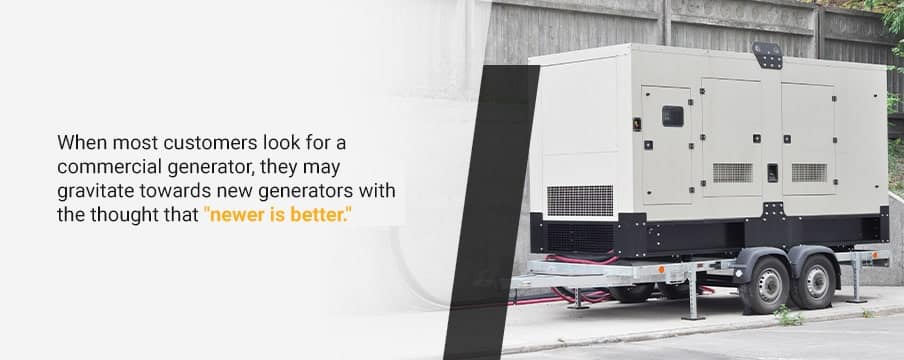
Credit: woodstockpower.com
Challenges In Load Testing
Regular load testing is crucial for standby generators to ensure reliability during power outages. Challenges include simulating real-world conditions and avoiding potential wear and tear on equipment. Proper testing helps identify issues early and maintain generator efficiency.
Technical Difficulties
Load testing can be tricky. Generators might not handle sudden changes well. Power surges can cause damage. Some machines are sensitive to overloads. Experts need to check equipment regularly.
Resource Requirements
Testing needs many tools. Special equipment is sometimes necessary. Trained staff are required. Tests might take hours. Safety must be a priority. Time and money are needed for proper tests.
Addressing Test Failures
Failures can happen. Identifying the problem is key. Fixing issues takes time. Regular checks help prevent failures. Documentation is important. Learning from mistakes improves future tests.
Future Trends In Load Testing
New technology is making load testing smarter. Modern tools can test faster and better. They help find problems before they become big issues. Smart sensors can collect data in real-time. This helps understand how generators are working. Advanced software can predict future needs. This helps in planning and managing resources.
Automation makes load testing easy. Machines do tests without human help. This saves time and reduces mistakes. Automated systems can run tests at any time. They can check if generators are ready. Results are accurate and quick. Automation helps keep generators working well.
Smart systems make testing smooth. Smart devices talk to each other. They share information easily. Smart grids help manage power. They can adjust loads as needed. Integration makes load testing efficient. It supports better power management.
Frequently Asked Questions
What Are The Load Testing Requirements For A Generator?
Generators require load testing to assess performance and reliability. Ensure the load matches the generator’s capacity. Use resistive or reactive loads for testing. Monitor voltage, frequency, and temperature during the test. Regularly scheduled load tests help identify issues and maintain optimal performance.
Follow manufacturer guidelines for specific testing procedures.
What Are The Rules For Standby Generators?
Standby generators must comply with local codes and manufacturer guidelines. Ensure proper installation and regular maintenance. Maintain safe clearance from structures and operate in well-ventilated areas. Always use approved fuel types and follow load management practices. Consult local regulations for noise and emissions standards.
What Is The Nfpa Code For Standby Generator?
The NFPA code for standby generators is NFPA 110. It covers installation, performance, and maintenance of emergency power systems. Ensure compliance to guarantee safety and reliability. Regular inspections and testing are crucial for optimal operation. Consult NFPA 110 for detailed guidelines and requirements.
How Often Should A Standby Generator Be Tested?
Test your standby generator monthly to ensure optimal performance. Regular testing identifies issues early, preventing unexpected failures. Conduct professional maintenance annually for reliability. Consistent checks extend generator lifespan, ensuring readiness during power outages.
Conclusion
Regular load testing is crucial for standby generators. It ensures reliable performance during power outages. Testing identifies potential issues early. This prevents unexpected failures. Regular checks maintain the generator’s efficiency. They prolong its lifespan too. Skipping tests can lead to costly repairs.
Proper maintenance saves money in the long run. Always follow the manufacturer’s guidelines. A well-maintained generator provides peace of mind. It guarantees power when you need it most. Don’t wait until it’s too late. Schedule regular load tests today. Keep your generator ready and dependable.