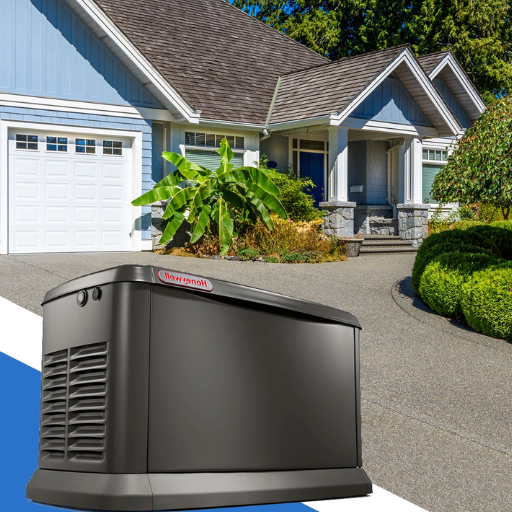
Imagine you’re in the middle of a storm, and the power goes out. You’re left in the dark, possibly cold, and the food in your fridge is at risk of spoiling.
A standby generator can be your hero, swiftly restoring electricity to your home. But before you invest in one, there’s a crucial question to answer: Do standby generators run on propane or natural gas? You’re not alone in wondering this, and the answer could significantly impact your decision.
Choosing the right fuel for your generator not only affects its efficiency but also its cost and convenience. Whether you’re concerned about fuel availability, environmental impact, or simply the ease of use, understanding the differences between propane and natural gas is essential. This article will give you the clear, straightforward information you need to make an informed choice, ensuring you feel confident and prepared for any power outage. Stay with us as we dive into the details that will empower you to make the best decision for your home and peace of mind.

Credit: waltpower.com
Types Of Standby Generators
Standby generators often run on either propane or natural gas, providing reliable power during outages. Propane generators are portable and store fuel easily, while natural gas models connect directly to the gas line, offering uninterrupted supply. Both options ensure essential home appliances continue working seamlessly.
Portable Vs. Permanent
Portable generators are easy to move. They are small and light. You can use them in different places. Permanent generators stay in one place. They are bigger and more powerful. Permanent generators need professional installation. They can power an entire house or building. Portable ones are good for short power cuts. Permanent ones are better for long outages.
Residential Vs. Commercial
Residential generators are for homes. They provide power to home appliances. They keep lights and fridges working. Commercial generators are used in businesses. They are much stronger. They keep factories and offices running. Residential generators are smaller and less expensive. Commercial generators need more space and are costly. They can handle more power needs.
Credit: www.premium-electric.ca
Fuel Options For Generators
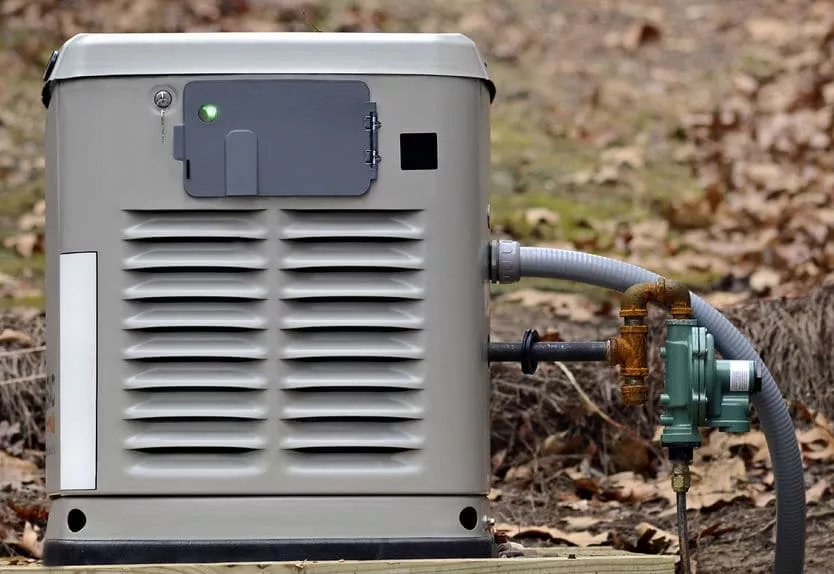
Standby generators often use propane or natural gas for fuel. Both options are efficient and reliable. Propane is stored in tanks, while natural gas comes through pipelines.
Propane
Propaneis a popular choice for generators. It is stored in tanks. These tanks are easy to refill and replace. Propane burns cleanly and produces less smoke. This makes it better for the environment. Propane does not spoil over time. It can be stored for many years. This makes it reliable for emergencies. However, it needs a tank, which takes space. Propane is often more expensive than natural gas.
Natural Gas
Natural gasis a convenient fuel option. It connects to your home’s gas line. This means no need for refilling tanks. Natural gas is cheaper than propane. It burns cleaner than other fossil fuels. This helps keep the air cleaner. But, if the gas line is broken, it won’t work. In disasters, gas supply can be interrupted. So, it might not be the best choice for emergencies.
Benefits Of Propane Generators
Propane generators provide a clean and efficient power source. They run quietly and are environmentally friendly. Suitable for both standby and emergency use, these generators offer reliable performance during power outages.
Efficiency
Propane generators are known for their excellent fuel efficiency. They consume less fuel compared to other types. This makes them a cost-effective choice for many. Propane burns cleanly, reducing pollution. It also helps the generator run smoothly. This ensures a longer lifespan for the equipment. Reduced maintenance is another advantage.
Storage And Availability
Propane is easy to store and readily available. It can be stored in tanks for long periods without degrading. This makes it ideal for emergencies. Unlike gasoline, propane does not go bad over time. It is available in many places, making refills simple. Propane tanks are portable and convenient to use. This is perfect for outdoor or remote locations.
Advantages Of Natural Gas Generators
Natural gas generators offer a clean and efficient fuel source for standby generators. They provide reliable power with lower emissions than other fuels. Ideal for long-term use, they connect directly to the gas line, ensuring a continuous supply during outages.
Continuous Supply
Natural gas generators offer a steady and reliablepower source. They are connected directlyto gas lines. No need for storage tanks. This ensures a constant fuel supply. During storms or emergencies, this is very useful. No waiting or refueling is needed.
Cost-effectiveness
Natural gas is often cheaperthan other fuels. It can help save on power costs. Generators running on natural gas are efficient. They produce more power for less money. Over time, this saves a lot of cash. Lower maintenance costs also help. Natural gas burns cleaner than other fuels. This means less wear on the generator.
Comparing Propane And Natural Gas
Standby generators often run on propane or natural gas. Propane is stored in tanks, ensuring a reliable supply during outages. Natural gas connects directly to a pipeline, offering convenience but depends on infrastructure stability.
Environmental Impact
Propane is cleaner than natural gas. It produces fewer harmful emissions. Natural gas can leak and cause air pollution. Propane is stored in tanks and doesn’t leak easily. Both are better for the environment than diesel. Propane is non-toxic and won’t harm soil or water. Natural gas is a fossil fuel, so it has more impact.
Performance In Cold Weather
Propane works well in cold temperatures. It stays usable even when very cold. Natural gas might struggle in freezing weather. This is because it needs pipelines. Propane can be stored in tanks at home. Propane is reliable for winter storms. Natural gas can freeze in pipes.
Installation And Maintenance
- Propane tanks need to be installed on your property.
- Natural gas uses existing pipelines for supply.
- Propane requires regular checks for leaks.
- Natural gas needs maintenance for pipelines.
- Both need professional installation and care.
Choosing The Right Fuel For Your Needs
Standby generators often use propane or natural gas. Both fuels offer reliable power during outages. Propane is cleaner and stored in tanks, while natural gas is piped directly from a utility source.
Assessing Local Availability
Check what fuel is close to you. Some places have more propane. Others might have natural gas. Local supply can impact your choice. Easy access can make things simpler.
Evaluating Cost Implications
Natural gas can be cheaper than propane. But prices can change. It’s smart to check current rates. Compare costs and see what fits your budget. Remember, fuel prices can affect your expenses.
Considering Power Requirements
Different fuels offer different power levels. Propane often gives more energy output. Natural gas is stable but might be less powerful. Know your generator’s needs. Choose fuel that meets those needs.
Installation Considerations
Generators need a safe and dry place. Keep them away from windows. They produce exhaust, which can be harmful. Choose a spot with enough space for air flow. Avoid crowded areas that can block air. Proper location helps in cooling the generator. It also ensures easy access for maintenance.
Follow local rules for generator installation. Some places have strict laws. Check if you need a permit before installing. Regulations may include noise limits. Ensure the generator meets safety standards. It should also be tested for emissions. This keeps the environment safe. Compliance avoids fines and ensures legal use.
Maintenance Tips For Standby Generators
Standby generators commonly run on propane or natural gas. Regular checks ensure efficient operation and fuel supply. Clean air filters and inspect connections to maintain performance.
Regular Inspections
Standby generators need regular inspections for optimal performance. Check the oil levels and filters frequently. Look for any signs of wear or damage. Ensure all connections are tight and working well. Inspect the battery and clean any corrosion. Regular inspections help prevent problems before they occur.
Fuel Management
Proper fuel management is crucial for generators. Monitor the fuel levels to avoid running out. Ensure the fuel type matches the generator’s specifications. Store fuel in a safe and dry place. Check for any leaks in the fuel system. Keeping a sufficient supply is important during outages. Fuel management ensures the generator is ready when needed.

Credit: www.facebook.com
Frequently Asked Questions
Is Propane Or Natural Gas Better For Standby Generators?
Propane is often better for standby generators due to its longer shelf life and cleaner burn. Natural gas offers convenience with a continuous supply but may be less efficient. The choice depends on availability and specific needs. Consider fuel availability, cost, and environmental impact when deciding.
Does A Generac Generator Run On Propane Or Natural Gas?
Generac generators can run on either propane or natural gas. They offer flexibility in fuel choice. This makes them suitable for various needs. Propane is ideal for remote locations, while natural gas connects directly to your home’s supply. Choose based on availability and convenience.
What Kind Of Gas Does A Generac Standby Generator Take?
Generac standby generators typically use natural gas or liquid propane. Both fuels provide efficient, reliable power. Natural gas is often preferred for homes with existing gas lines. Liquid propane is a good alternative for remote locations. Always check your generator model for specific fuel requirements.
Can Standby Generators Run On Natural Gas?
Yes, standby generators can run on natural gas. They offer a convenient and efficient fuel option. Natural gas provides a continuous supply, reducing the need for fuel storage. This makes it a reliable choice for many homeowners and businesses seeking backup power solutions.
Conclusion
Choosing between propane and natural gas for generators depends on your needs. Propane is portable and has a long shelf life. Natural gas is convenient if you have a supply at home. Both options offer reliable power during outages. Consider cost, availability, and storage when deciding.
Talk to a professional for advice. Make sure your standby generator fits your specific situation. Safe and efficient power can keep your home running smoothly. So, weigh your options. Choose wisely for peace of mind during power interruptions.