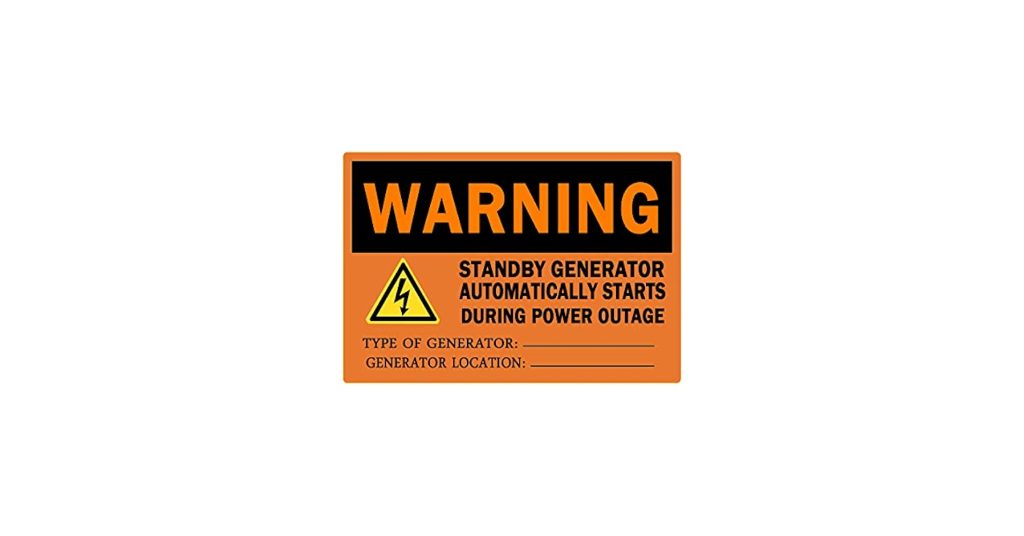
Imagine a stormy night when the power suddenly goes out. It’s pitch dark, and you’re left scrambling for a flashlight.
But what if you didn’t have to worry about being caught in the dark? What if your power could be restored automatically, without you lifting a finger? This is where standby generators come into play. You might be wondering, “Do standby generators start automatically?
” Understanding how these powerful devices work can be the difference between comfort and chaos during a power outage. We’ll unravel the mystery behind standby generators, explain how they can seamlessly kick into action, and help you decide if one is right for your home. Stay with us to discover how to keep your lights on and your mind at ease, regardless of what Mother Nature throws your way.
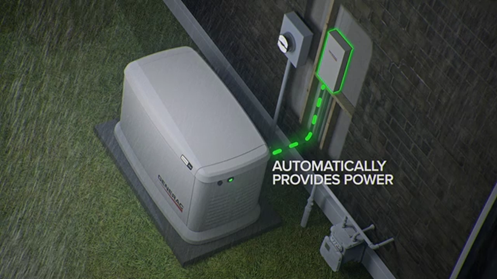
Credit: www.generac.com
How Standby Generators Work
Standby generators are machines that help when power goes out. They have important parts. The engineis like the heart. It makes power. The alternatorchanges engine power into electricity. Fuel systemgives energy to the engine. It’s like food for the generator. Control panelis the brain. It tells the generator what to do.
When the lights go off, generators get ready. They have a transfer switch. The switch checks power from the main line. If the line stops, the switch gets busy. It moves power from the generator to the house. This happens fast. It keeps things working. Generators start automatically. They are smart machines. They don’t wait for help.

Credit: m.facebook.com
Automatic Startup Features
The transfer switch is the brain of the generator system. It senses when the power goes out. Then it sends a signal to the generator. The generator starts automatically within seconds. The switch also connects the generator to your home. This ensures your house gets power. When power returns, the switch stops the generator. It then reconnects your home to the main grid. This process happens smoothly and quickly.
Sensors play a crucial role in detecting power loss. They monitor the electrical supply constantly. If they find a problem, they alert the generator. The generator starts working to provide power. Sensors are very important for quick response. This keeps your home powered with no delay. These sensors ensure the generator is reliable and effective.
Benefits Of Automatic Generators
Standby generators automatically start during power outages, providing seamless electricity. This ensures homes and businesses remain operational, reducing downtime and inconvenience. Automatic generators offer reliability and peace of mind, especially in areas prone to frequent power disruptions.
Convenience And Reliability
Automatic generatorsprovide power when the main electricity fails. They start on their own, without human help. This ensures homes and businesses stay powered. You don’t need to be there for it to work. This offers peace of mind during storms or outages. The generator detects outages and starts quickly. This prevents long power interruptions.
Safety Considerations
Automatic generators are safe for users. They reduce risks of accidents from manual operation. Proper installation is important to ensure safety. Generators should be checked regularly. This helps identify any problems early. Keep the generator away from flammable items. Ventilation is crucial to prevent harmful fumes. Ensuring safety protects your family and property.
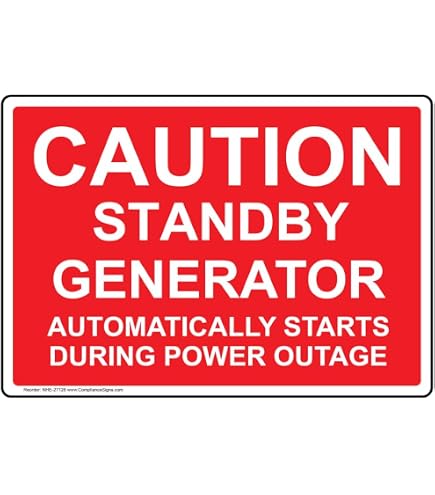
Credit: www.amazon.com
Factors Affecting Automatic Start
Standby generators can start automatically, but several factors affect this process. Weather conditions, maintenance levels, and battery health play crucial roles in ensuring seamless operation. Proper installation and regular testing also contribute to reliable automatic starts.
Generator Size And Capacity
Generator size matters for automatic starts. Small generators can’t power big homes. Large generators handle more devices easily. Right size ensures smooth operation. Capacity affects how long it can run. Bigger capacity means longer run time. Always check your power needs first. Choose a generator that fits those needs. Proper sizing avoids overloads and failures.
Weather And Environmental Conditions
Weather can affect generator performance. Cold weather might slow the start. Rain and moisture can cause issues. Dusty environments clog the system. Keep the generator clean and dry. Proper maintenance ensures good performance. Extreme temperatures impact efficiency. Shelter your generator from harsh weather. Regular checks help avoid surprises.
Common Issues With Automatic Start
Standby generators might not start due to low fuel levels. Always check if the generator has enough fuel. A weak or dead batterycan also cause issues. Ensure the battery is charged and in good condition.
Another common issue is a faulty transfer switch. This switch tells the generator to start during a power outage. Make sure the switch is working properly.
- Check fuel levels regularly.
- Inspect the battery for damage.
- Test the transfer switch.
- Listen for unusual sounds.
- Look for any error codes.
Regular maintenance keeps the generator working. Change the oil every few months. Clean or replace the air filters. Inspect the generator for any leaks. Schedule professional servicing once a year.
Choosing The Right Standby Generator
Think about how much power your home uses. List all the important devices. Include lights, refrigerator, and heater. Decide which devices are essential during a power outage. Some generators can power the whole house. Others are smaller and power fewer items. Pick a generator that matches your power needs. This helps avoid wasting money on extra power you don’t use.
Look at different generator brands. Compare how each model works. Some brands offer quiet generators. Others focus on long-lasting performance. Check for warranty details. See if parts are easy to find. Popular brands often have better customer support. Research reviews to learn what others say. Choose the brand that fits your budget and needs best.
Frequently Asked Questions
Do Standby Generators Turn On Automatically?
Yes, standby generators usually turn on automatically during a power outage. They detect power loss and start within seconds, providing continuous electricity. This automatic feature ensures convenience and reliability, making them ideal for emergencies. Regular maintenance is essential for optimal performance.
Do Generac Generators Turn On Randomly?
Generac generators may start automatically during scheduled exercises or power outages. Random starts are usually due to system faults or incorrect settings. Regular maintenance and checking settings can prevent unexpected starts. Always consult the user manual or a professional for troubleshooting.
What Are The Disadvantages Of A Standby Generator?
Standby generators can be costly to purchase and install. They require regular maintenance and fuel storage. Noise pollution is common. They may not operate efficiently in extreme weather conditions. Emissions can contribute to environmental concerns.
How Long Does It Take For A Standby Generator To Kick In?
A standby generator typically kicks in within 10 to 20 seconds after a power outage. This rapid response ensures minimal disruption to your home’s electrical systems. Automatic transfer switches facilitate this seamless transition, providing reliable backup power for critical appliances and systems.
Conclusion
Standby generators offer peace of mind during power outages. They start automatically, ensuring continuous electricity. This feature is crucial for homes and businesses alike. Automatic starts mean you don’t have to worry about manually turning them on. Reliability is key.
Maintenance ensures they function properly when needed. Consider your power needs and generator capacity. Choose wisely for your home or business. A standby generator can be a valuable investment. Protect your family and assets from unexpected power loss. Always consult with an expert for installation and maintenance advice.
Enjoy the comfort of uninterrupted power.