
Imagine living in your dream off-grid home, surrounded by nature and away from the hustle of city life. It’s peaceful, but there’s one thing you need to ensure: a reliable power source.
That’s where standby generators come in. You might be wondering if these generators are the perfect fit for your off-grid lifestyle. Will they keep your lights on and your devices charged when the sun isn’t shining or the wind isn’t blowing?
This article will explore whether standby generators can truly meet your energy needs, helping you make an informed decision. Keep reading to discover how these power sources might transform your off-grid experience into a seamless and worry-free adventure.

Credit: www.achrnews.com
Benefits Of Standby Generators
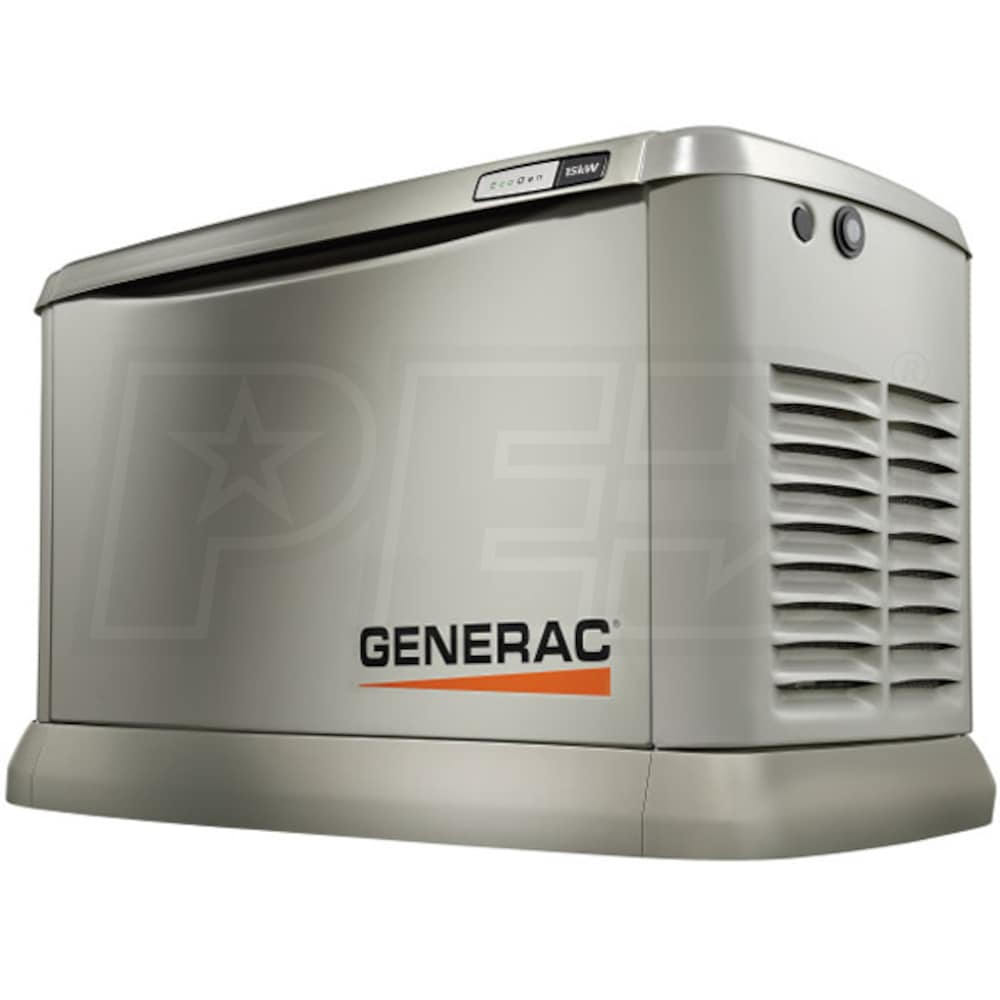
Standby generators are essential for off-grid homes, ensuring continuous power during outages. They automatically switch on, providing reliable electricity without manual intervention. Ideal for remote areas, they support crucial appliances and systems, maintaining comfort and safety.
Reliable Power Source
Standby generators are a reliable power sourcefor homes. They provide electricity when the main power fails. You can keep lights, refrigerators, and heaters running. This is very important during storms or emergencies.
Automatic Operation
These generators start automaticallywhen the power goes out. You don’t need to push any buttons. They sense power loss and turn on by themselves. This keeps your home safe and comfortable.
Long-term Investment
Standby generators are a long-term investmentfor your home. They last for many years with proper care. They add value to your property. You can save money by preventing food spoilage and other losses.
Choosing The Right Generator
Power capacity is crucial for off-grid homes. A generator needs enough power to run everything. Think about lights, appliances, and gadgets. Check the total wattage your home needs. This helps pick the right generator size. A generator with too little power won’t work well. One that’s too big can waste fuel.
Generators use different types of fuel. Common fuels are gasoline, diesel, and propane. Gasoline is easy to find but can be costly. Diesel is more efficient but harder to store. Propane is clean but needs a big tank. Choose the fuel that fits your needs and budget.
Generators need proper installation to work well. Think about where to place it. It should be outside for safety. Make sure it’s on a flat surface. Connect it to your home’s system properly. You might need a professional for this. Safety first!
Installation Considerations
Choose a spot away from windows and doors. This keeps fumes out. Ensure the ground is level. A flat area prevents tilting. Make sure the spot is dry. Wet areas can damage the generator.
Hire experts to install the generator. They know how to connect wires safely. Experts ensure the generator runs well. This avoids costly mistakes.
- Install carbon monoxide detectors. They alert you to gas leaks.
- Keep generators outside. Indoor use is dangerous.
- Check local rules for placement. Follow guidelines to stay safe.
Credit: www.electricgeneratorsdirect.com
Maintenance And Longevity
Standby generators provide reliable backup power for off-grid homes, ensuring essential systems run smoothly. Regular maintenance enhances their efficiency and lifespan, offering a dependable energy solution. Proper care includes checking fuel levels and performing routine inspections.
Regular Inspections
Standby generators need regular check-upsto work well. Look for worn partsor leaks. Check the batteryand wires. Ensure the cooling systemis clean.
Parts Replacement
Some parts wear out over time. Replace filtersand beltswhen needed. Change spark plugsregularly. Ensure all parts are in good conditionfor smooth running.
Fuel Management
Fuel is vital for generator operation. Store fuel in a safe place. Check fuel levels often. Use the right typeof fuel. Ensure fuel is freshand clean.
Cost Implications
Standby generators can be costly but offer reliable power for off-grid homes. Consider installation, fuel, and maintenance expenses. Balancing these costs with energy needs ensures a smart investment.
Initial Investment
A standby generator needs a big upfront cost. The price depends on the size. Bigger generators cost more. You also pay for installation. It’s not cheap. But it’s a one-time cost. It can be worth the money. Especially if you need power always.
Operational Costs
Running a generator costs money too. Fuel is the main cost. Generators use gas or diesel. More power means more fuel. Regular maintenance is important. This costs money too. You need to keep the generator in good shape. This makes it last longer.
Potential Savings
A generator can save money. No more electric bills. You make your own power. It also saves during power cuts. Your food won’t spoil. You can still use lights. This can save money long-term. Especially in remote areas.
Environmental Impact
Exploring standby generators for off-grid homes reveals their potential to reduce environmental impact. These generators provide reliable energy without relying on traditional power sources. With proper maintenance, they offer a sustainable solution for eco-friendly living.
Emissions And Pollution
Standby generators can produce harmful emissions. These emissions include carbon monoxide and nitrogen oxides. Such emissions contribute to air pollution. Pollution affects the health of people and nature. Using renewable energy can reduce emissions.
Fuel Efficiency
Generators often use fuel like diesel or gasoline. These fuels are not always efficient. They can waste energy and money. Fuel efficiency is important for off-grid homes. Efficient generators use less fuel and save resources.
Sustainable Alternatives
- Solar panelsharness energy from the sun.
- Wind turbinescapture wind energy.
- Hydroelectric poweruses water flow.
These options are clean and renewable. They help protect the environment.
Alternatives To Standby Generators
Standby generators provide reliable power but aren’t the only solution for off-grid homes. Solar panels offer sustainable energy without fuel costs. Wind turbines harness natural resources, delivering eco-friendly electricity for remote living.
Solar Power
Solar power uses sunlight to make electricity. Panels collect sunlight during the day. They store energy for night use. Solar panels work well in sunny areas. They are clean and quiet. No moving parts mean less maintenance. Installation can be pricey but saves money over time.
Wind Energy
Wind energy uses wind to make power. Wind turbines have blades that spin. They work well in windy places. Energy from wind is clean and renewable. Turbines need space and can be noisy. Initial costs can be high. Wind energy helps reduce carbon footprint.
Hybrid Systems
Hybrid systems mix solar and wind power. They provide energy day and night. Combining both sources increases reliability. They use less fuel and reduce pollution. Backup generators can be included. Hybrid systems are flexible and adaptable. They need careful planning and setup.

Credit: www.achrnews.com
User Experiences
Many people have found standby generators helpful for their off-grid homes. One family shared how their generator kept the lights on during a week-long storm. Another homeowner mentioned that their generator helped power essential appliances during a long winter. These stories show how reliable generators can be for remote living. They provide peace of mind and comfort in difficult times.
Some users reported difficulty in maintenance. Generators need regular checks and oil changes. Others faced issues with fuel storage and availability. Noise can also be a problem for some users. Finding parts for repairs can be tough in remote areas. These challenges require planning and resources.
- Choose a generator with low noise levels.
- Ensure you have enough fuel storage.
- Schedule regular maintenance checks.
- Keep spare parts for common repairs.
- Consider solar-powered generators for environmental benefits.
Frequently Asked Questions
What Size Generator Do I Need To Live Off-grid?
Consider a generator with 5,000 to 7,500 watts for basic needs. Larger systems require 10,000 watts or more. Calculate your total wattage needs to choose the right generator size. Ensure it can handle peak loads and essential appliances. Proper sizing ensures efficient energy use off-grid.
What Are The Disadvantages Of A Standby Generator?
Standby generators can be costly to install and maintain. They require regular servicing and fuel. Noise pollution is often an issue. Limited runtime can restrict power supply during extended outages. Installation may need professional expertise, adding extra expense. Proper ventilation is crucial to prevent harmful emissions.
Can You Live Off-grid With A Generator?
Living off-grid with a generator is possible. Ensure reliable fuel supply and maintain the generator. Pair with solar panels for efficiency. Monitor energy usage to avoid power shortages. Choose the right generator size for your needs. Regular checks and maintenance ensure continued operation and longevity.
What Is The Best Way To Power A Off-grid Cabin?
Solar panels with battery storage offer efficient power for off-grid cabins. Consider adding a wind turbine for backup. Opt for energy-efficient appliances to maximize resource use. Regular maintenance ensures optimal performance and sustainability.
Conclusion
Standby generators fit well with off-grid homes. They offer reliable power. No more worries during outages. These generators provide peace of mind. They are a good investment for remote living. They help keep daily life running smoothly. Choosing the right size is key.
Maintenance matters too. Regular checks ensure efficiency. Consider fuel type and storage options. Safety is important. Proper installation prevents hazards. Standby generators support off-grid independence. They make life easier. Explore options and enjoy uninterrupted power. Keep your off-grid home powered, always.