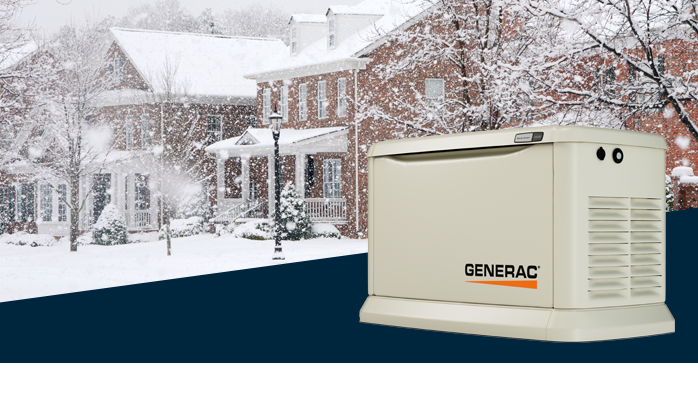
Imagine waking up to a world blanketed in snow, where the mercury has dropped to bone-chilling levels. The power goes out and leaves you in the dark, shivering, and wondering how you’ll keep warm.
You rely on your standby generator, but will it rise to the challenge in this extreme cold? Your concerns are valid, and understanding how standby generators perform in harsh winter conditions is crucial. This article will unravel the truth about the capabilities of standby generators when temperatures plummet.
You’ll discover how they operate, the potential challenges they face, and what you can do to ensure your generator keeps humming along no matter how cold it gets outside. Don’t let winter’s icy grip leave you powerless—read on to find out how you can stay prepared and confident in your generator’s abilities.

Credit: www.achrnews.com
Generator Functionality In Cold
Low temperaturescan affect generators in different ways. Batteries may lose power. Cold oil thickens, making it hard for engines to start. Metal parts contract and can stick. Generators need special carein winter. A block heater can help keep engines warm. Keep batteries charged and ready. Proper maintenance prevents issues.
Standby generators have special parts for cold. Block heaters keep engines warm. Oil heaters help oil stay thin. These parts help generators start fast. Good fuel is important too. Cold weather fuel works best. Regular checks keep generators ready. Look for ice or snow around them. Clear vents and fans. This keeps air flowing.
Credit: www.championpowerequipment.com
Design Features For Cold Weather
Standby generators often have cold weather kits. These kits help in freezing temperatures. They include battery warmers and oil heaters. These keep the generator ready to start. Battery warmers ensure the battery stays warm. Oil heaters keep the oil from thickening. This helps the engine run smoothly. Cold weather kits are essential for cold climates.
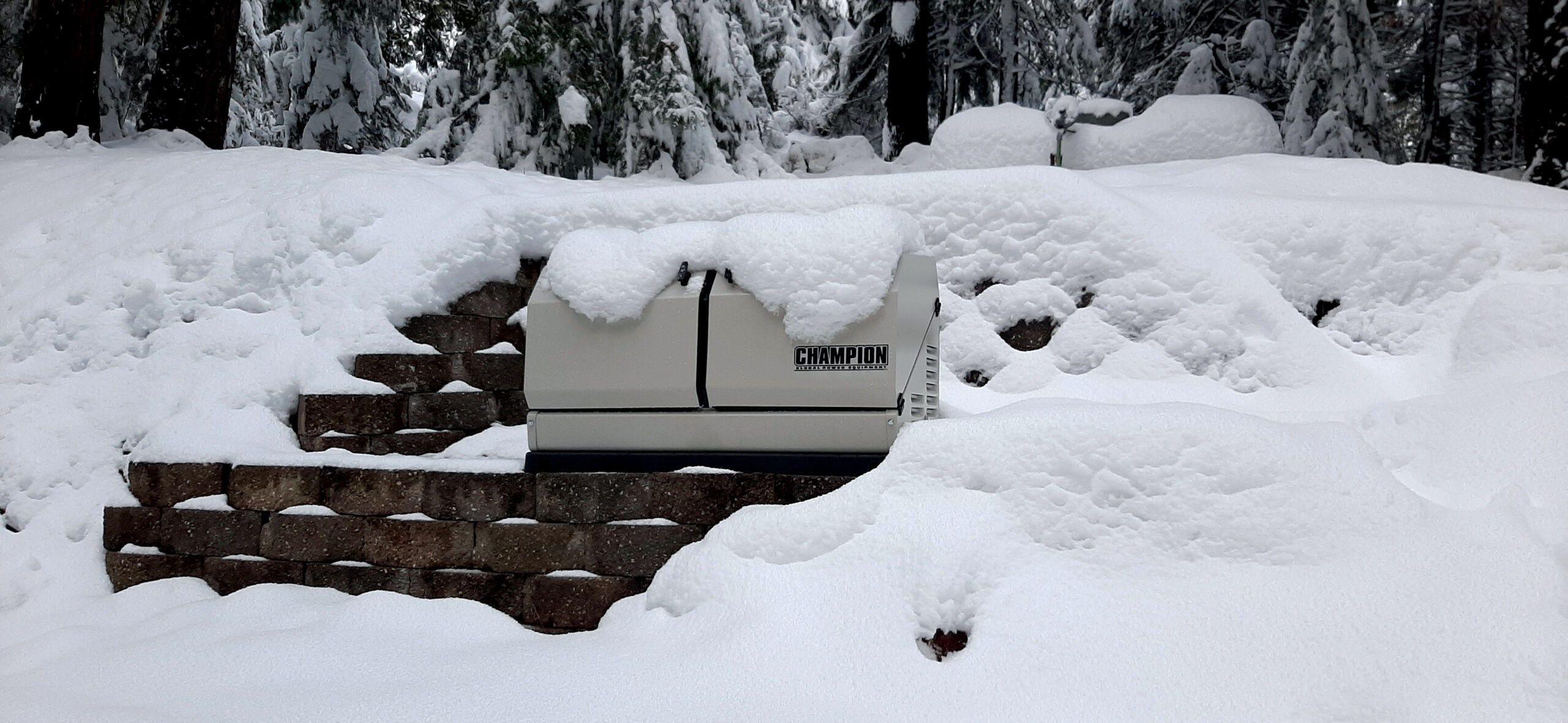
Insulation is vital for standby generators. It protects against harsh cold. Good insulation keeps the engine warm. It also prevents parts from freezing. Proper protection extends the generator’s life. It ensures reliable performance in winter. Protective covers can shield from snow and ice. Keeping the generator dry is important. Dry equipment works better and lasts longer.
Fuel Choices And Cold Weather
Standby generators can work in extreme cold, but fuel choice matters. Diesel fuel may thicken, while propane remains efficient. Regular maintenance ensures reliable performance during harsh weather conditions.
Diesel Vs. Natural Gas
Dieselis thick and can gel in the cold. This can stop engines. Natural gasflows well even in low temperatures. It keeps the generator running. Diesel is good for remote places. It doesn’t need pipes. Natural gas needs pipelines to work. Both fuels have their own strengths. Choose based on needs and location.
Fuel Freezing Issues
Cold weather can freeze some fuels. Diesel can turn into a gel. This blocks filters and lines. Special additives can help prevent this. Natural gas rarely freezes. It stays in gas form. This means fewer problems in cold areas. Always check the fuel type for your generator. Make sure it’s suitable for cold weather.
Maintenance Tips For Cold Conditions
Standby generators need care in extreme cold. Check the system often. Look for any loose wires. Make sure fuel levels are adequate. Cold can affect the generator’s parts. Protect it from snow and ice. Ensure vents are clear. Clean the generator regularly. This prevents dirt build-up. Always follow the manufacturer’s guidelines.
The battery is crucial for generator function. Cold can drain battery power quickly. Keep the battery fully charged. Check battery connections regularly. Clean any corrosion around terminals. Store batteries in a warm place. Insulation can help keep batteries warm. Consider using a battery warmer. This prevents freezing and ensures proper function.
Common Problems In Cold
Standby generators can face challenges in extreme cold. Cold temperatures may hinder their performance and battery efficiency. Proper maintenance and cold-weather kits help ensure reliable operation.
Starting Failures
Standby generators can struggle to start in the cold. The battery might lose power faster in low temperatures. Fuel lines can also freeze, stopping fuel from reaching the engine. It’s important to keep the generator in a sheltered place. Block heaters can help by warming the engine before starting. Keeping the battery charged helps in cold weather too.
Oil Viscosity Challenges
Oil becomes thick in extreme cold, causing issues. Thick oil can make the engine hard to start. It can also stop parts from moving smoothly. Use oil that works well in low temperatures. Check the oil regularly to ensure it is not too thick. This keeps the generator running smoothly.
Innovations For Cold Weather Generators
Standby generators perform well in extreme cold with recent innovations. Enhanced insulation and advanced fuel systems ensure reliable operation even in harsh conditions. These features help maintain power during winter storms.
Smart Technology Integration
Smart technology helps generators work better in cold weather. Sensors check the temperature. They make sure the generator runs smoothly. Automatic systems adjust settings for cold conditions. This keeps the generator efficient. Remote monitoring lets users check the generator from far away. They can see if everything is okay. Smart alerts notify when maintenance is needed.
Enhanced Efficiency Models
New models are made for cold weather. They use better materials that resist freezing. Improved engines start easily in low temperatures. Fuel systems are designed to prevent blockages. Insulation keeps parts warm, so the generator works well. Special coatings protect against ice buildup. These features ensure the generator functions reliably.
User Experiences In Extreme Cold
Many families rely on standby generatorsduring cold weather. In Alaska, generators work well even in -20 degrees. Owners perform routine checks to ensure reliability. Regular maintenance is crucial for optimal performance. Some people report minor issues, like battery troubles. However, most resolve these quickly.
One homeowner shared their experience during a heavy snowstorm. Their generator kept the house warm and lights on. Another family stayed safe with power for heating and cooking. Generators provide peace of mindin harsh weather. With proper care, they remain dependable. People feel secure knowing their generator is ready. These stories highlight the importance of having a standby generator.

Credit: www.amazon.com
Frequently Asked Questions
How Cold Is Too Cold For A Generator To Run?
Generators may struggle below 32°F (0°C). Cold can affect battery performance and fuel flow. Use cold-weather kits for optimal operation.
Do Generac Generators Work In Cold Weather?
Yes, Generac generators function efficiently in cold weather. They are designed with features to handle low temperatures. For optimal performance, regular maintenance and using cold weather kits are recommended. These kits include battery warmers and oil heaters to ensure reliable starts in freezing conditions.
What Are The Disadvantages Of A Standby Generator?
Standby generators can be costly to install and maintain. They produce noise during operation. Fuel consumption is high, leading to increased expenses. Regular testing and servicing are required for reliability. Environmental concerns arise from emissions.
Should You Wrap Your Generator During A Freeze?
Wrap your generator during a freeze to protect it from harsh weather. Use breathable, waterproof covers. Ensure proper ventilation to prevent overheating. This practice extends the generator’s lifespan and maintains efficiency. Regular maintenance checks are also essential for optimal performance during cold weather conditions.
Conclusion
Standby generators can work efficiently in extreme cold. They need proper maintenance. Check oil, fuel, and battery regularly. Use cold-weather kits to ensure reliability. These include battery warmers and block heaters. Protect the generator from snow and ice. Install it in a sheltered area.
Regular testing is crucial. It ensures the generator starts during emergencies. Investing in a reliable model pays off. Peace of mind during winter storms is invaluable. Be prepared and stay safe.