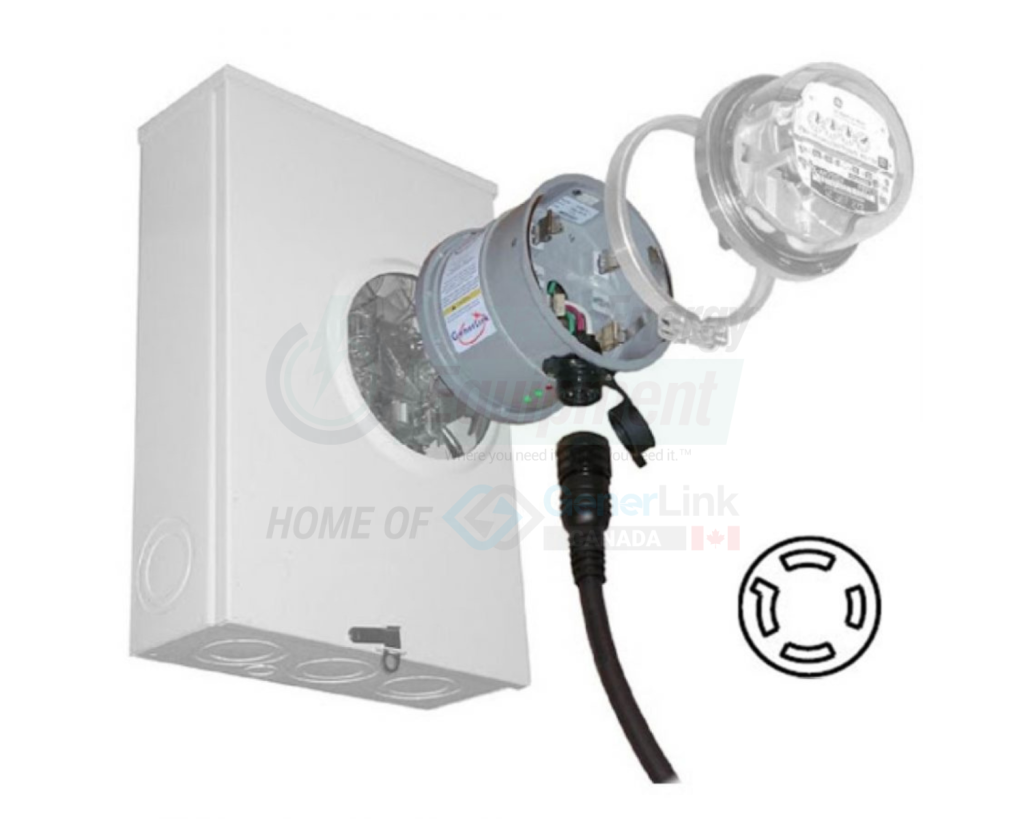
Have you ever wondered if your transfer switch has built-in surge protection? It’s a question that may not cross your mind until a sudden power surge threatens your electronic devices.
Understanding the relationship between transfer switches and surge protection could save you from costly damage and headaches down the road. In this blog post, we’ll unravel the mystery and give you the insights you need to protect your home or business.
Stick around, because knowing the answer could be the key to preserving your valuable electronics and ensuring peace of mind.
Role Of Transfer Switches
Transfer switches help safely change power sources during outages. Some models include surge protection to guard against voltage spikes. This feature protects connected devices from sudden electrical surges.
Basic Functionality
Transfer switcheschange power sources safely. They switch electricity from the main grid to a backup generator. This keeps your home or business powered during an outage. Transfer switches help avoid power overlap, which can damage equipment or cause accidents. They work automatically or manually to ensure steady power flow.
Types Of Transfer Switches
| Type | Description | Common Use |
|---|---|---|
| Manual Transfer Switch | Requires human action to switch power sources. | Homes with small generators. |
| Automatic Transfer Switch (ATS) | Switches power sources automatically when outage occurs. | Businesses, hospitals, and critical systems. |
Surge Protection Basics
Surge protectionstops sudden high voltage from damaging devices. It acts like a shield for your electrical system. Surges can harm appliances and electronics. They come from many sources.
Common causes include:
- Lightning strikesnear power lines
- Power outages and restorations
- Large machines turning on or off
- Faulty wiring or electrical shorts
Surge protectors absorb or block extra voltage. This keeps your devices safe and working well.
Transfer Switches And Surge Protection
Transfer switches sometimes have built-in surge protection. These features help reduce damage from power spikes. They can protect your devices from sudden electrical surges.
But the surge protection in transfer switches is often limited. They are not as strong as dedicated surge protectors. These switches mainly focus on switching power sources safely.
For better safety, use a separate surge protectorwith your transfer switch. This adds an extra layer of defense against power surges.
| Feature | Built-in Surge Protection | Limitations |
|---|---|---|
| Purpose | Reduce minor power spikes | Not designed for heavy surges |
| Protection Level | Basic | Limited compared to surge protectors |
| Use | Part of transfer switch | Should be paired with surge protectors |

Credit: solaronline.ca
Additional Surge Protection Options
Surge Protective Devices (SPDs)help guard your home from electrical surges. They work by redirecting extra voltage away from your devices. These devices are often installed alongside transfer switches for added safety. SPDs come in different types, including whole-house and point-of-use models.
Installing SPDs properly is important. Place them near your main electrical panel or transfer switch. Use short wires to reduce resistance. Secure all connections tightly to avoid faults. Check local codes for correct installation rules.
| Installation Best Practices |
|---|
| Mount SPDs close to the transfer switch or panel |
| Use short and thick wiring for connections |
| Ensure all connections are tight and secure |
| Follow local electrical codes and standards |
| Test SPDs regularly to ensure they work well |
Safety And Maintenance Tips
Regular inspections help keep transfer switches working well. Look closely at all parts. Check for loose wires or burnt marks. Clean dust and dirt to avoid problems. Test the switch to ensure it changes power safely. Keep a record of each check. This helps catch issues early and avoid big repairs.
Signs of surge damage can be subtle. Watch for melted plastic or discoloration. Buzzing sounds or strange smells mean trouble. Switch may fail to start or stop power flow suddenly. Sparks or scorch marks are clear warnings. Spotting these signs early saves money and keeps you safe.

Credit: globalpowerproducts.com
Choosing The Right Equipment
Transfer switches typically do not include built-in surge protection. Choosing equipment with separate surge protectors helps safeguard your electrical system from power spikes. Always verify if surge protection is part of your transfer switch setup.
Matching Switches With Protection Needs
Transfer switches do not always come with built-in surge protection. It is important to check the specificationsof each switch before buying. Some switches offer basic protection, but many require a separate surge protector. Choose a switch that fits your power setupand the level of surge protectionneeded for your devices.
Consulting Professionals
Speak with an electricianor power expertto find the best option. Professionals can help matchthe switch and surge protection to your home or business. They ensure safe installationand proper functionality. This helps protect your electrical system from damage caused by power surges.

Credit: www.rvupgradestore.com
Frequently Asked Questions
Do Transfer Switches Include Built-in Surge Protection?
Most transfer switches do not have built-in surge protection. Surge protection usually requires a separate device to shield your electrical system from voltage spikes. Adding a surge protector alongside the transfer switch ensures better safety for your equipment and home appliances.
Can I Add Surge Protection To Any Transfer Switch?
Yes, you can add surge protection to nearly all types of transfer switches. External surge protectors are compatible with both manual and automatic transfer switches. This setup helps protect your electrical devices during power surges or outages.
How Does Surge Protection Work With Transfer Switches?
Surge protection devices divert excess voltage away from your electrical system. When used with transfer switches, they help prevent damage from power surges during utility power loss or restoration. This combination safeguards your home’s electronics and improves system reliability.
Is Surge Protection Necessary For Standby Generators?
Surge protection is highly recommended with standby generators. Generators can cause voltage spikes when starting or stopping. Installing surge protection with your transfer switch prevents damage to your electrical appliances and ensures a stable power supply.
Conclusion
Transfer switches do not always include surge protection. Many models focus on safely switching power sources only. Surge protection usually requires a separate device or built-in feature. Protect your home by adding a surge protector if needed. This helps guard against power spikes and damage.
Always check product details before buying a transfer switch. Safety and reliability depend on the right equipment. Stay informed to keep your electrical system secure and efficient.