
Have you ever wondered if your transfer switch needs fuse protection? It’s a crucial question, especially if you want to ensure the safety and efficiency of your electrical systems.
Whether you’re a homeowner or a business owner, understanding the role of fuse protection in transfer switches can save you from potential headaches and costly repairs. We’ll dive deep into this topic, demystifying the technical jargon and giving you clear, actionable insights.
You’ll discover why fuse protection is essential, how it works, and what you need to consider for your own setup. Stick around to learn how to safeguard your equipment and maintain uninterrupted power supply with confidence.
Role Of Transfer Switches
Transfer switches control power flow between sources safely. Fuse protection helps prevent damage from electrical faults. It adds a layer of safety by interrupting excessive currents.
Basic Functionality
Transfer switchesmove power from one source to another. They help change between utility power and backup generators safely. This switch prevents power from both sources running at the same time. It protects your home and devices. It also stops damage to the generator and the electrical system.
Types Of Transfer Switches
| Type | Description | Usage |
|---|---|---|
| Manual Transfer Switch | Needs a person to switch power sources. | Good for small homes or places with rare outages. |
| Automatic Transfer Switch (ATS) | Switches power automatically during an outage. | Used in hospitals, offices, and bigger buildings. |
| Open Transition Switch | Breaks the connection before switching to another source. | Common in residential and light commercial setups. |
| Closed Transition Switch | Keeps connection during the switch for no power loss. | Used where power must never stop, like data centers. |

Credit: www.grlgroup.com
Importance Of Fuse Protection
Fuse protectionis crucial for transfer switches to keep electrical systems safe. It helps prevent overloadsthat can cause fires or damage wires. Without fuses, too much current can flow, leading to dangerous situations.
Electrical overloadshappen when devices draw more power than the circuit can handle. Fuses act like safety guards. They break the circuitif current gets too high, stopping damage before it starts.
Fuses also help avoid equipment damage. Sensitive parts inside the transfer switch can burn out or stop working if not protected. Using fuses keeps these parts safe and working well for longer.
Fuse Vs Circuit Breaker
Fusesand circuit breakersprotect electrical systems but work differently. A fuse melts to stop power if current is too high. Circuit breakers switch off power and can reset.
| Feature | Fuse | Circuit Breaker |
|---|---|---|
| Operation | Melts to break circuit | Switches off automatically |
| Reset | Must replace fuse | Can reset switch |
| Cost | Less expensive | More expensive |
| Speed | Faster response | Slower response |
- Use fuses for simple, low-cost protection.
- Choose circuit breakers for convenience and reuse.
- Circuit breakers suit places needing frequent resets.
- Fuses work well in devices with rare overloads.
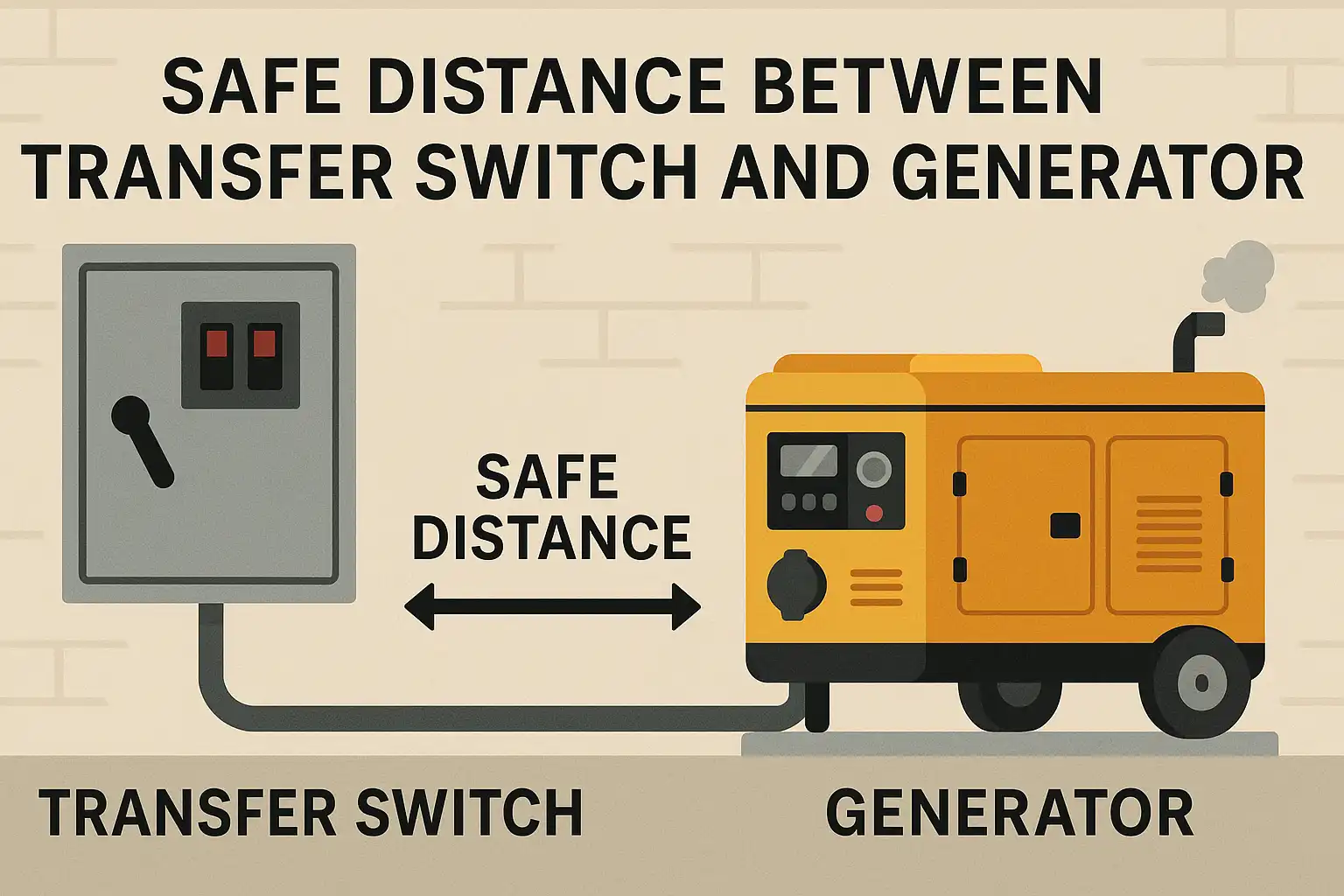
Credit: www.onesto-ep.com
Installing Fuse Protection
Choosing the right fuseis very important for safety. Fuses protect the transfer switch by stopping too much current. The fuse rating should match the switch’s current and voltagelimits. Using a fuse with too high ratingmay cause damage. A fuse with too low ratingcan blow unnecessarily.
Keep the fuse as close as possible to the power source. This helps stop current fast if there is a fault. Avoid placing fuses near heat or moisture. Make sure the fuse holder is easy to accessfor checks and changes. Proper placement helps in quick fault detectionand repair.
Common Safety Mistakes
Ignoring fuse ratingsis a common safety mistake that can cause serious damage. Using the wrong fuse can lead to overheatingor electrical fires. Always use fuses that match the transfer switch’s specifications.
Skipping regular inspectionsputs your system at risk. Dirt, wear, or loose connections may go unnoticed. Regular checks help catch problems early and keep everything working safely.
Maintenance And Testing
Routine checks keep transfer switches safe and working well. Check for any burn marksor discolorationnear fuses. Look at the fuse holders to ensure they are tight and clean. Listen for any buzzing soundswhich may show a bad connection. Testing fuses with a multimeterhelps find hidden problems before failure.
Signs of fuse failure include:
- No powerto the transfer switch
- Visible damagelike cracks or melting on fuses
- Repeated blowingof the same fuse
- Switch not transferring loadproperly
Regulations And Standards
The National Electrical Code (NEC)sets clear rules for transfer switches. It requires that transfer switches have proper overcurrent protection. This usually means using fuses or circuit breakers. These protect the wiring and equipment from damage due to overload or short circuits.
Manufacturers often have specific recommendationsfor fuse protection. They provide details on the type and size of fuses to use. Following these guidelines ensures safe operationand compliancewith standards. Ignoring manufacturer advice can lead to equipment failure or safety risks.
| Aspect | Requirement |
|---|---|
| National Electrical Code | Requires overcurrent protection for transfer switches |
| Manufacturer Recommendations | Specify fuse type and size for safe operation |

Credit: www.onesto-ep.com
Enhancing Overall Safety
Transfer switcheshelp change power sources safely. They often need fuse protectionto stop electrical faults. Fuses break the circuit if too much current flows.
Using additional protective deviceslike circuit breakers or surge protectors adds safety. These devices protect equipment and prevent damage. They work with transfer switches to keep power stable.
- Always check if fuses match the switch’s current rating.
- Use devices that meet safety standards for your area.
- Regularly inspect switches and fuses for wear or damage.
Safe operating practicesinclude turning off power before working on switches. Avoid overloading circuits and keep connections tight. Proper care helps avoid fires and shocks.
Frequently Asked Questions
Do Transfer Switches Require Fuse Protection?
Yes, transfer switches often need fuse protection to prevent electrical overloads. Fuses help protect both the switch and connected devices from damage. Proper fuse selection ensures safety and system reliability during power transfer operations.
What Type Of Fuse Is Used For Transfer Switches?
Typically, cartridge or blade fuses rated for the switch’s voltage and current are used. These fuses must match the electrical specifications of the transfer switch to provide effective protection without nuisance tripping.
Can Transfer Switches Work Without Fuse Protection?
While transfer switches can operate without fuses, this is unsafe and not recommended. Lack of fuse protection increases the risk of damage and electrical hazards during faults or overloads.
How Does Fuse Protection Improve Transfer Switch Safety?
Fuse protection interrupts excessive current flow during faults, preventing overheating and fire risks. It safeguards the transfer switch and connected circuits, ensuring stable and secure power transfer.
Conclusion
Transfer switches often need fuse protection to keep electrical systems safe. Fuses stop too much electricity from causing damage or fire. They act fast to break the circuit if a problem occurs. This helps protect your devices and wiring. Choosing the right fuse ensures the transfer switch works properly.
Always follow safety rules and local codes when installing. Proper fuse protection gives peace of mind and reliable power. Safety should never be overlooked in electrical setups.