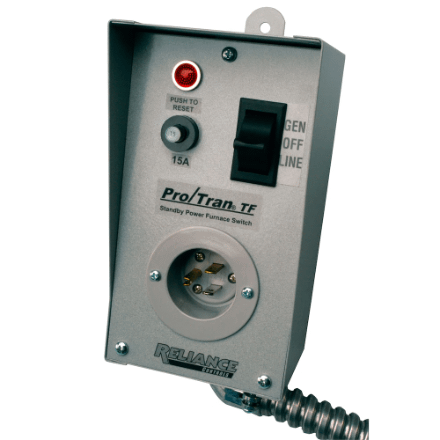
Have you ever wondered if your transfer switch really keeps you safe during a power outage? When the lights go out, you rely on your backup power system to keep things running smoothly.
But what if your transfer switch lets electricity flow the wrong way, causing dangerous backfeed? Understanding how transfer switches work and whether they prevent backfeed is crucial for your safety and your home’s protection. Keep reading to discover what you need to know to avoid costly mistakes and keep your family safe.
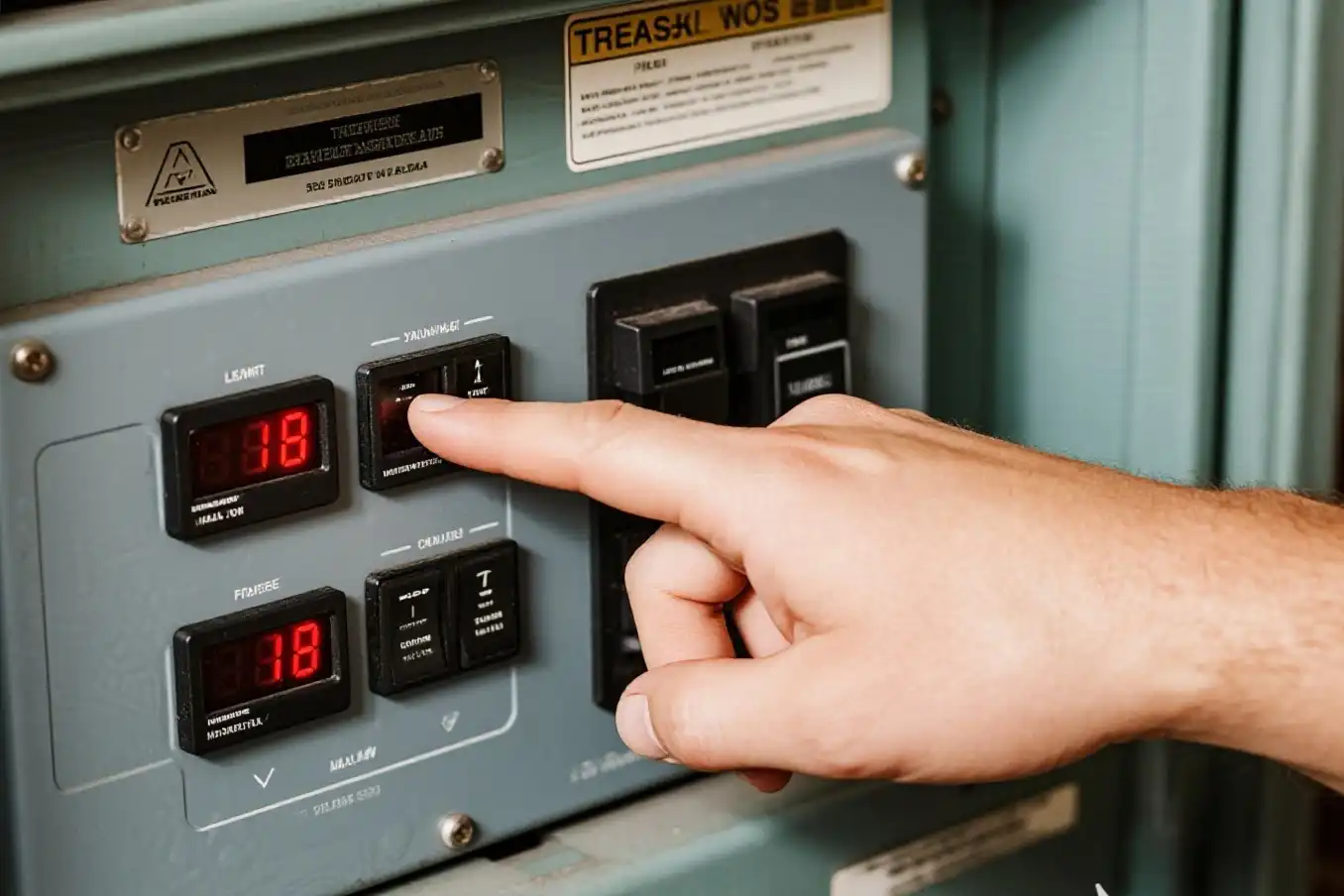
Credit: www.onesto-ep.com
What Is Backfeed
Backfeedhappens when electricity flows in the wrong direction. It can send power back into the grid or home wiring. This causes danger to workers and equipment. Backfeed can start from different sources.
- Generators that connect without a switch
- Solar panels feeding energy back
- Improper wiring or faults in the system
Backfeed risks include:
- Electric shocksto people fixing power lines
- Damageto electrical devices
- Fire hazards from overloaded circuits
- Power outages or outages to neighbors
Role Of Transfer Switches
Transfer switcheshelp control power flow between the main grid and backup generators. They stop backfeed, which can harm utility workers and damage equipment. These switches make sure only one power source runs at a time.
Types Of Transfer Switches
- Manual transfer switches:Require you to switch power sources by hand.
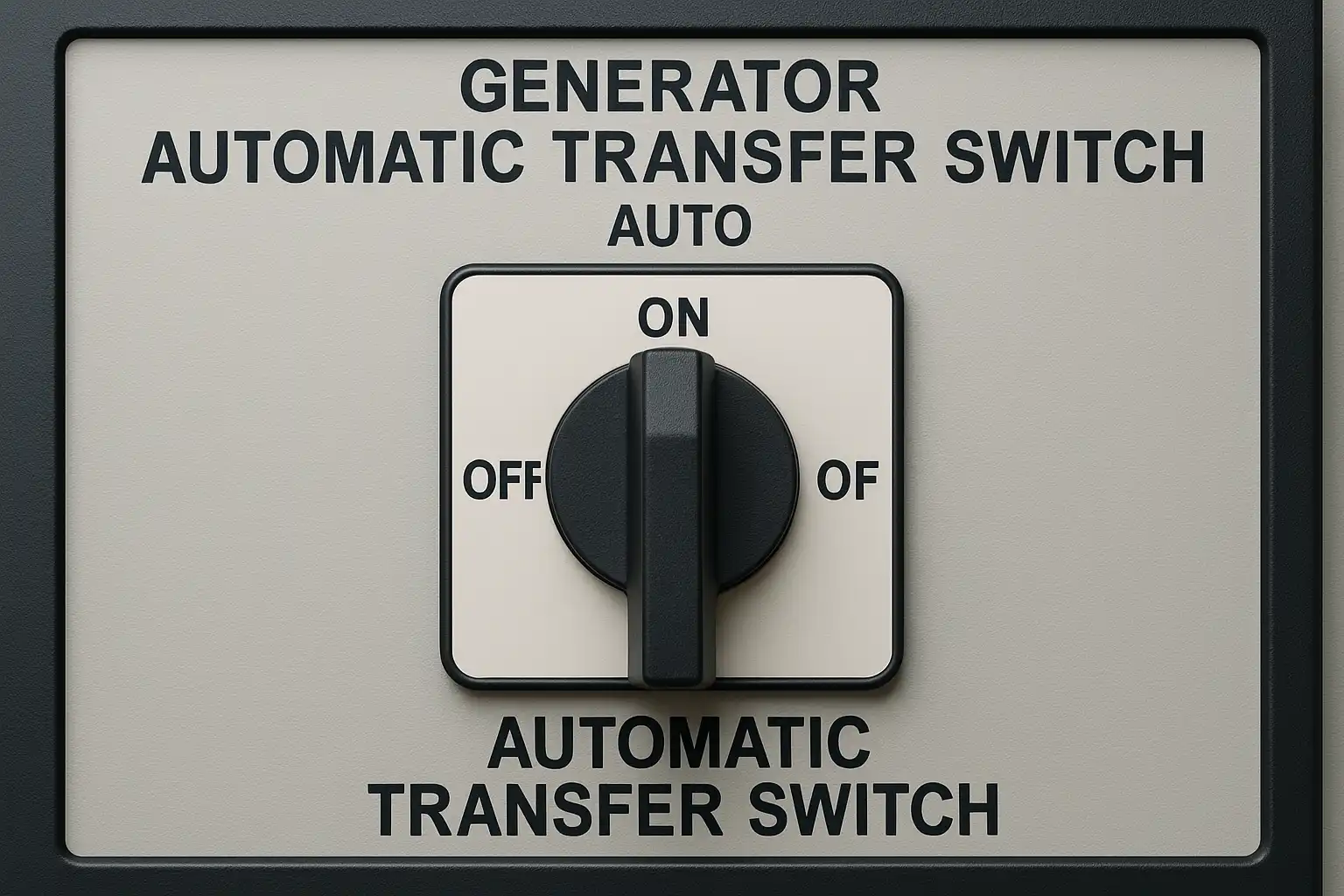
- Automatic transfer switches:Switch power sources on their own when the main power fails.
- Open transition switches:Briefly disconnect power before switching sources.
- Closed transition switches:Switch sources without any power interruption.
How They Work
Transfer switches connect your home or building to a backup power source safely. They cut off the main power before the generator starts. This prevents electricity from flowing back into the grid. The switch senses power loss and moves to the generator. When main power returns, it switches back. This keeps power stable and safe at all times.
Preventing Backfeed With Transfer Switches
Transfer switchesstop power from flowing back into the main grid. They keep both systems separate. Automatic transfer switchesdetect power loss and switch to backup power fast. This helps avoid power gaps. manual transfer switchesneed someone to change the power source by hand. Both types help prevent backfeed, but automatic switches act quicker and offer more safety.
| Type | Operation | Backfeed Prevention | Best For |
|---|---|---|---|
| Automatic Transfer Switch | Switches power source automatically | Strong prevention by quick switching | Homes and businesses needing constant power |
| Manual Transfer Switch | Requires manual switching | Good prevention but slower | Smaller setups or backup generators |
- Safety locksstop accidental switching.
- Breakerscut off power if something is wrong.
- Interlockskeep main and generator power from mixing.
- Proper installation is key for safety and function.
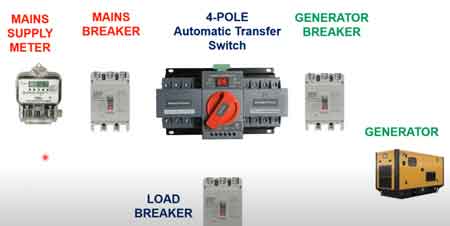
Credit: electricityforum.com
Common Installation Mistakes
Transfer switches often prevent backfeed, but incorrect installation can cause safety risks. Common mistakes include improper wiring and failing to follow manufacturer guidelines. Proper setup ensures power flows safely without feeding electricity back into the grid.
Improper Wiring Issues
Incorrect wiringcan cause serious problems with transfer switches. Wires may be connected to the wrong terminals. This can lead to backfeed, which is dangerous for utility workers. Using the wrong wire size also causes overheatingand failure. Always follow the wiring diagram that comes with the switch. Double-check connections before powering the system.
Bypassing Safety Features
Some installers skip safety parts to save time or money. This is risky. Safety featureslike interlocks stop both power sources from running at once. Bypassing these can cause damageand injuries. Always keep safety features intact and working. They protect your home and the utility line.
Additional Safety Measures
Circuit breakersand fusesact as important safety guards. They stop electricity flow if there is an overload or short circuit. This helps to prevent damage and keeps the system safe. Transfer switches work well with these devices to avoid backfeed risks.
Regular maintenanceand testingare key for safety. Checking the transfer switch and breakers often ensures they work correctly. Faulty parts can cause backfeed or other hazards. Simple tests can catch problems early.
- Test transfer switches yearly or as needed.
- Inspect breakers and fuses for wear or damage.
- Replace faulty components without delay.
- Keep the area around the switch clean and dry.
Regulations And Standards
The National Electrical Code (NEC)sets clear rules for transfer switches. These rules help prevent backfeedand ensure safe power transfer. Transfer switches must meet strict standards to avoid electrical hazards.
Local authorities often add their own requirementson top of NEC guidelines. These rules can vary by city or state. It is important to check with your local office before installing a transfer switch.
- NEC requires transfer switches to isolate power sources.
- Switches must stop electricity from flowing backward.
- Local codes may require permits and inspections.
- Proper installation is key to meet all standards.
Real-life Incidents
Backfeed accidents happen when power flows back into utility lines. This can cause serious harm to workers and damage equipment. One case involved a homeowner who did not use a transfer switch. The power from their generator fed back into the grid, shocking a utility worker.
Another incident occurred during a storm. A generator without a transfer switch backfed electricity, causing fires in the neighborhood. These events highlight the importance of proper safety devices.
- Always use a transfer switchwith generators to stop backfeed.
- Electricians and utility workers rely on safe power isolation.
- Backfeed can cause electric shocks and fires.
- Transfer switches protect homes and the grid.
| Incident | Cause | Result | Lesson |
|---|---|---|---|
| Homeowner Shock | No transfer switch | Utility worker injured | Use transfer switches always |
| Storm Fire | Generator backfeed | Neighborhood fire | Proper power isolation needed |
Choosing The Right Transfer Switch
Transfer switches stop power from flowing back into the main grid, preventing dangerous backfeed. Choosing the right switch ensures safe and reliable power transfer during outages. Proper installation is key to avoid electrical hazards and protect your home.
Capacity And Compatibility
Match the transfer switch capacitywith your generator and home needs. A switch too small can cause problems. Too large can waste money. Check the power ratingof both devices. Ensure the switch supports your home’s voltage and amperage. This keeps everything safe and working well.
Professional Installation
Hire a licensed electricianfor installation. Transfer switches connect to your home wiring and generator. Mistakes can cause backfeedor electrical fires. A professional ensures proper setup and tests the system. This protects your home and your family.
Credit: www.onesto-ep.com
Frequently Asked Questions
What Is Backfeed In Electrical Systems?
Backfeed occurs when power flows in reverse from a generator to the utility lines. It poses safety risks during outages and repairs.
How Do Transfer Switches Prevent Backfeed?
Transfer switches isolate generator power from utility lines, stopping reverse current flow. They ensure safe power transfer without energizing the grid.
Are All Transfer Switches Designed To Stop Backfeed?
Most manual and automatic transfer switches are built to prevent backfeed. However, proper installation and code compliance are essential for safety.
Can A Transfer Switch Protect Utility Workers From Backfeed?
Yes, a transfer switch prevents generator power from reaching utility lines. This protects utility workers from electric shocks during outages.
Conclusion
Transfer switches play a vital role in preventing backfeed. They ensure safety during power outages. Without them, risks increase for utility workers. Installing a transfer switch is a smart move. It protects your home and the electrical grid. Simple yet effective, it keeps everything running smoothly.
Investing in one provides peace of mind. Especially when emergencies arise. Always prioritize safety in your home. And remember, a little preparation goes a long way. Stay safe and informed with the right tools. Transfer switches are a key part of that strategy.