
When the power goes out, a standby generator can be your lifeline, keeping your home or business running smoothly. But before you invest in this essential backup power solution, there’s an important question you need to address: Do you need a permit for a standby generator?
This may not be the first thing on your mind, but understanding the legal requirements can save you from potential headaches down the road. We’ll dive into what you need to know about permits for standby generators, so you can make an informed decision and enjoy the peace of mind that comes with uninterrupted power.
Stick around to discover the must-know details that could impact your installation process and ensure you’re on the right side of regulations.
Permit Requirements For Standby Generators
Permitsare often required for installing standby generators. This depends on local building codesand electrical regulations. Many areas need permits to ensure safety and proper installation.
Rules vary by city and state. Some places require permits for all generator sizes. Others only need permits for larger units or permanent setups.
Some exceptions exist. Portable generators or small units may not need permits. Certain rural areas have fewer restrictions.
| Permit Requirement | Details |
|---|---|
| Always Required | Permanent installations, large generators, connection to home wiring |
| Sometimes Required | Mid-size generators, depending on local laws |
| Often Not Required | Small, portable generators used temporarily |
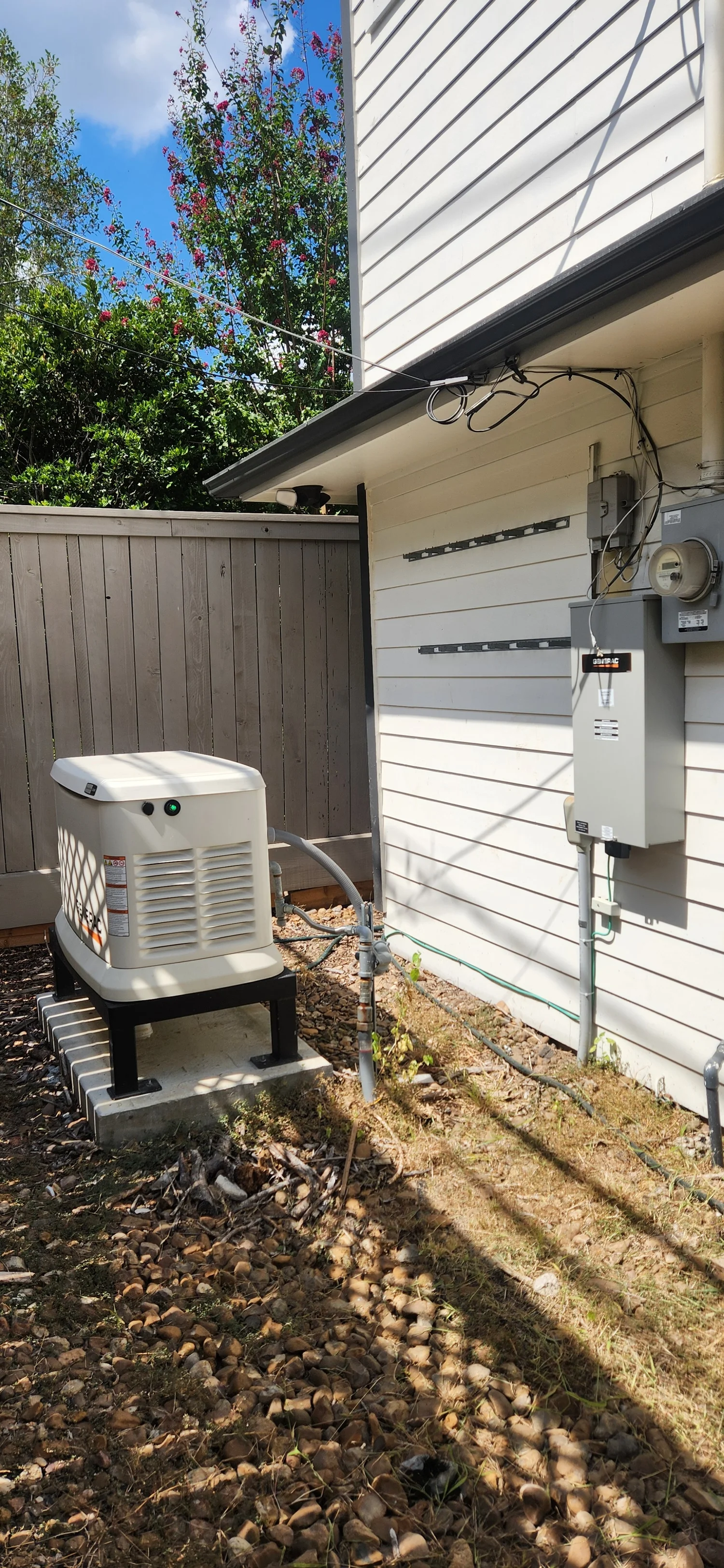
Credit: www.arielicustomhomes.com
Types Of Permits To Consider
Building permits ensure your standby generator meets local safety rules. These permits cover the structure and placement of the generator. Without this permit, your project might face delays or fines.
Electrical permits focus on the wiring and connections of the generator. They ensure the electrical work is safe and up to code. This permit is needed for proper installation and to avoid hazards.
Environmental permits control the impact on air and noise pollution. These permits help protect the environment around your home or business. Some areas have strict rules about emissions and sound levels.
Steps To Obtain A Permit
Applying for a standby generator permit requires submitting a form to the local building department. This form asks for basic information about the property and the generator’s specifications. The process ensures safety and compliance with local laws.
Important documents include:
- Detailed generator specifications
- Installation plans
- Proof of property ownership
- Contractor licensing information
After submission, an inspector visits the site to check installation. The inspector verifies that the generator meets safety and electrical codes. Approval is given once all requirements are met. This step protects your home and neighborhood from hazards.
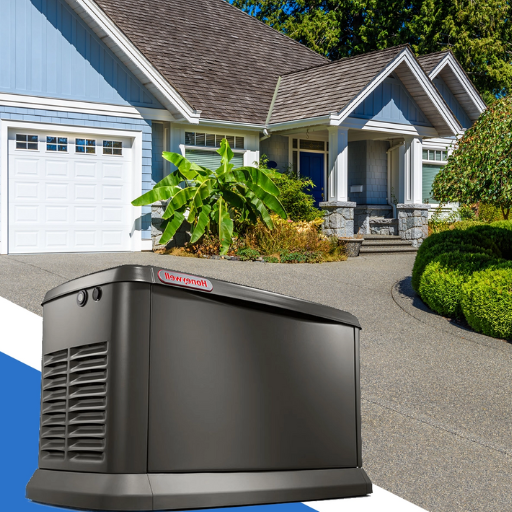
Credit: shgeneratorset.com
Costs And Timeframes
Permit feesfor standby generators vary by location. They usually range from $50 to $300. Some cities may charge extra for inspections or plan reviews. Fees depend on the size and type of the generator.
Processing times often take 1 to 4 weeks. Faster service might be available for an extra cost. Delays can happen if paperwork is incomplete or if inspections are needed.
| Factor | Impact on Cost |
|---|---|
| Generator size | Larger units usually cost more to permit |
| Location | Different cities have different fee structures |
| Inspection requirements | More inspections increase total cost |
| Installation complexity | Harder installs may raise permit fees |
Consequences Of Skipping Permits
Skipping permits for a standby generator can cause serious legal problems. You might face finesor have to remove the generator. The local government enforces these rules strictly.
Using a generator without proper permits can also create safety risks. Improper installation might lead to fires, electric shocks, or carbon monoxide poisoning. Certified inspections help prevent these dangers.
Insurance companies may deny claims if the generator is not permitted. This means you could lose financial protectionafter an accident. Always check your insurance policy before installation.
Tips For Smooth Permit Approval
- Hire licensed electriciansor contractors for the job.
- They know local codes and rules well.
- Proper permits often need expert help to get approved.
Gather all needed documentsbefore applying. This includes:
- Site plans showing generator location
- Product specifications
- Proof of contractor licensing
Clear and complete paperwork speeds up the process.
- Talk with local building or permit offices early.
- Ask about specific rules for your area.
- Keep communication open to avoid delays.
Alternatives To Permits
Portable generatorsprovide power without the need for permits. They are easy to move and use in many places. These generators run on gasoline or propane and can power small appliances or tools. They work well for short-term power needs like camping or during brief outages.
Temporary power solutionsare good for short projects or emergencies. These include renting generators or using battery packs. They offer quick power but are not meant for long-term use. These options do not usually require permits because they are not permanently installed.
| Feature | Portable Generators | Temporary Power Solutions |
|---|---|---|
| Permit Needed | No | No |
| Power Source | Gasoline or Propane | Varies (Generator, Battery) |
| Usage Time | Short-term | Short-term |
| Mobility | High | Varies |

Credit: www.permitflow.com
Frequently Asked Questions
Do I Need A Permit For A Standby Generator?
Yes, most local governments require a permit to install a standby generator. This ensures safety and code compliance during installation.
How Do I Get A Permit For A Standby Generator?
Contact your local building or electrical department. Submit the required application and plans for approval before installation.
What Inspections Are Required For Standby Generator Permits?
Typically, electrical and building inspections are needed. Inspectors verify proper installation and adherence to safety codes.
Are There Fees For Standby Generator Permits?
Yes, permit fees vary by location and generator size. Check with your local authority for exact costs.
Conclusion
Getting a permit for a standby generator often depends on local rules. Many places require one to ensure safety and proper installation. Skipping this step can cause fines or problems later. Checking with local authorities saves time and trouble. Always follow the rules to protect your home and family.
A permit helps make sure your generator works safely and correctly. Planning ahead makes the process smoother and less stressful. Stay informed, stay safe, and enjoy reliable power when you need it most.