
Are you thinking about installing a standby generator for your home or business? It’s a smart move that can save you from unexpected power outages.
But before you start shopping around, there’s one crucial question you need to answer: Do you need a permit to install a standby generator? Navigating the world of permits and regulations can be daunting, but understanding what’s required will save you time, money, and potential headaches down the road.
Keep reading to uncover the essentials you need to know before powering up with peace of mind.
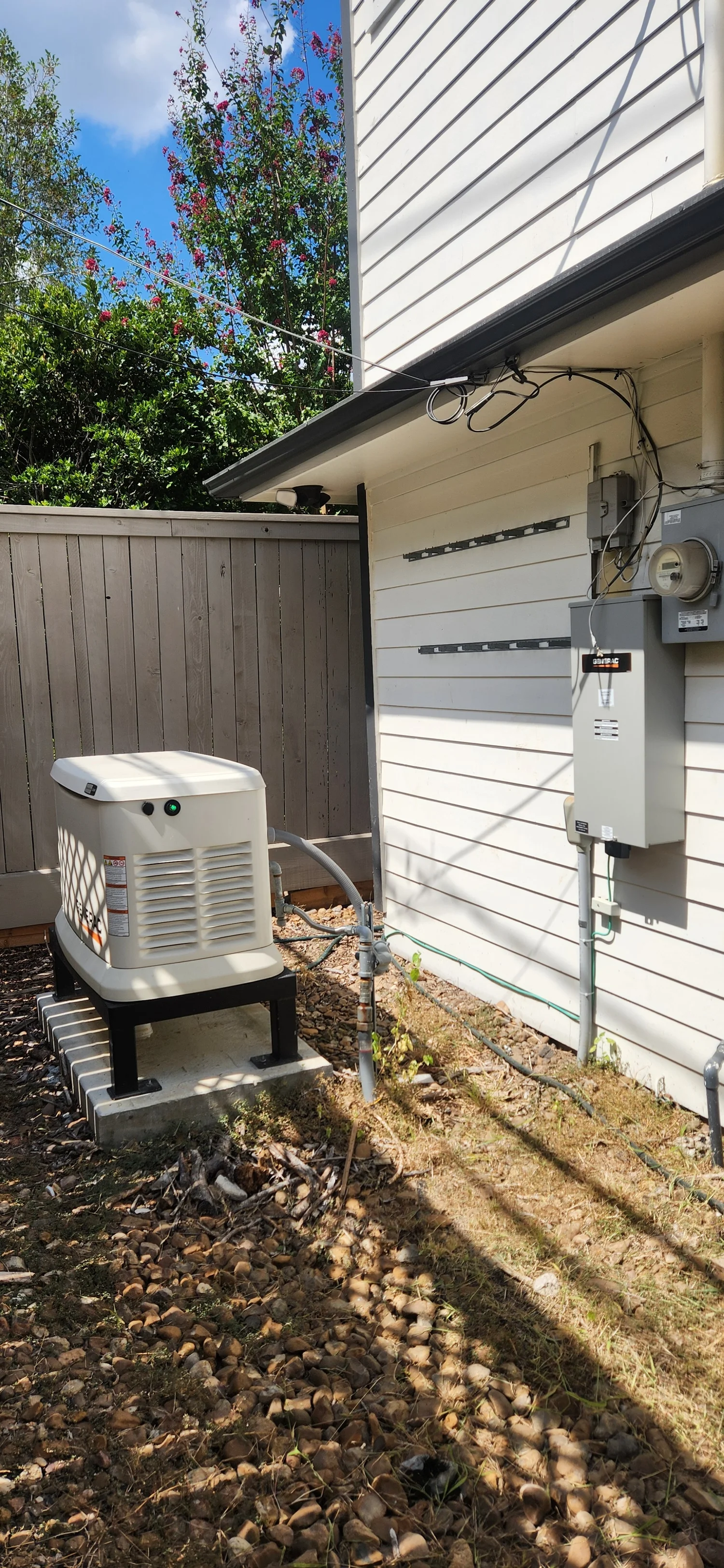
Credit: www.arielicustomhomes.com
Permit Requirements For Standby Generators
Local rules decide if a permitis needed for a standby generator. These rules vary by city or county. Some places require a permit to ensure safety and proper installation. Others may have specific codes about noise, fuel type, and placement.
Permits are usually mandatorywhen installing generators above a certain size or power. Also, if the generator connects to the home’s electrical system, a permit is often required. This helps prevent electrical hazards and ensures code compliance.
Small, portable generators often do not need permits. Exceptions may apply for temporary use or certain fuel types. Always check local rules to know if your installation qualifies for an exemption.
Steps To Obtain A Permit
Start the application processby contacting your local building department. They provide the forms needed for the permit. Submit the completed forms with all required details about your generator.
Gather required documentationsuch as:
- Site plan showing where the generator will go
- Electrical diagrams
- Manufacturer’s specifications
- Proof of property ownership or permission
After submission, schedule an inspectionto ensure the installation meets safety codes. The inspector will check wiring, placement, and connections.
Once the inspection passes, you receive approval. Keep the permit for your records and future reference.
Installation Considerations
Choosing the right locationfor a standby generator is key. It must be placed away from windows, doors, and vents. This helps prevent carbon monoxide from entering your home. Local laws often set minimum distancesfrom property lines or buildings. Check these rules before installation.
Generators must meet safety standardsto avoid hazards. This includes proper grounding and using approved materials. A licensed electrician should handle the electrical connections. This ensures the system works safely and correctly.
| Aspect | Requirement |
|---|---|
| Noise Limits | Must not exceed local decibel levels, usually 60-70 dB |
| Emission Limits | Must meet state and federal air quality standards |
Noise can disturb neighbors, so quiet operation is important. Emissions must be controlled to protect air quality. Following these rules avoids fines and complaints.

Credit: www.permitflow.com
Consequences Of Skipping Permits
Skipping permits for a standby generator can cause serious problems. Finesmay be issued by local authorities. These fines can be costly and increase over time if ignored.
Insurance companies may refuse claims if installation lacks proper permits. This can leave you financially responsiblefor damages or losses caused by the generator.
Missing permits can lower your home’s resale value. Buyers may be hesitant to purchase a property with unapproved installations. This can make selling your home more difficult and reduce its market price.
Hiring Professionals For Installation
Licensed contractorshave the right skills and knowledge for safe generator installation. They understand local rules and follow the right steps to meet all electrical codes compliance. This ensures your generator works well and safely.
Professional help offers many benefits:
- They handle permits and inspections to avoid fines.
- Proper wiring prevents fires and damage.
- They test the system to ensure reliable power supply.
- Installation done right saves time and future repair costs.
Tips For Smooth Permit Approval
Choose a flat, dry spot for the generator. Make sure it has enough space for installation and maintenance. Avoid areas near windows or vents to prevent fumes inside your home.
Talk clearly and politely with local officials. Ask about all needed documents and fees. Keep copies of all papers and permits for your records.
- Skipping permit applications can cause delays or fines.
- Not following local codes may require costly changes.
- Using vague or incomplete plans slows approval.
- Failing to notify neighbors when required leads to complaints.

Credit: ottawa-electric.ca
Frequently Asked Questions
Do I Need A Permit For A Standby Generator Installation?
Yes, most local governments require permits for standby generator installation. This ensures compliance with safety and electrical codes. Check with your city or county building department before installation to avoid fines or delays.
How To Get A Permit For A Standby Generator?
Contact your local building or electrical department to apply for a permit. You may need to submit plans and pay a fee. Approval ensures your installation meets safety standards and legal requirements.
What Are The Consequences Of No Permit For Installation?
Installing a standby generator without a permit can lead to fines, forced removal, or insurance issues. It may also cause safety hazards due to unapproved electrical work. Always secure a permit before starting installation.
Are Permits Required For All Types Of Standby Generators?
Permit requirements vary by location and generator type. Most standby generators need permits, especially if connected to home electrical systems. Portable generators typically do not require permits but check local rules.
Conclusion
Installing a standby generator often needs a permit. Rules differ by city and state. Getting permission helps keep your home safe. It also avoids fines or delays. Check local laws before starting the work. Hiring a professional can make the process easier.
Remember, following rules protects your investment. Stay informed and plan ahead for smooth installation.