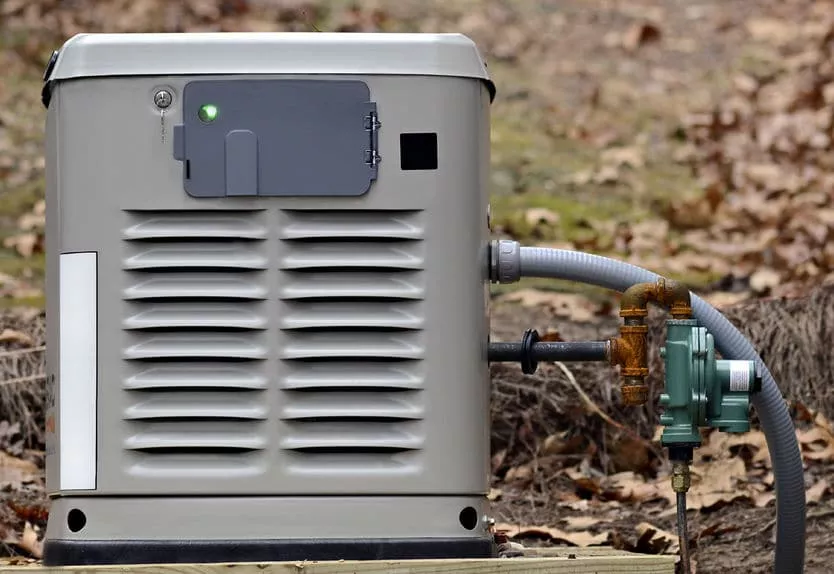
Imagine a stormy night. The wind howls and the rain lashes against your windows.
Suddenly, the power goes out. Everything is dark and silent. But wait! In just a few seconds, the comforting hum of a generator kicks in, and your home is alight once again. You don’t have to fumble around in the dark or worry about the food in your fridge spoiling.
This peace of mind is what a standby generator promises. But does it really come on automatically when you need it most? We’ll uncover the truth behind this modern marvel and help you understand how it can seamlessly integrate into your life, ensuring you’re never left powerless. Stay with us to discover how a standby generator could be the ultimate guardian of your comfort and security.
How Standby Generators Work
A standby generator has several basic componentsthat work together. It includes a generator unit, an automatic transfer switch, and a control panel. These parts help it start and supply power quickly.
The power detection mechanismsenses when the main power goes out. It monitors the electrical supply and detects outages instantly. This triggers the generator to prepare for startup.
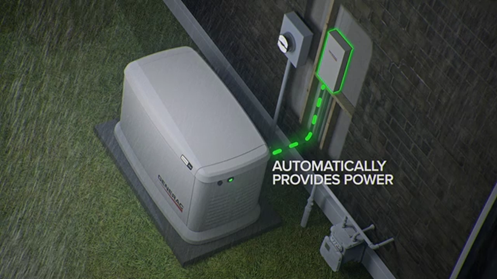
During the automatic start process, the generator turns on without needing human help. The transfer switch shifts the power source from the grid to the generator. This process usually takes just a few seconds, so power loss is minimal.

Credit: dustinsmechanical.com
Types Of Standby Generators
Whole-house generatorspower the entire home during outages. They start automaticallywhen the power goes out. These units connect directly to your home’s electrical system. They run on natural gas or propane and are very reliable.
Portable standby unitsare smaller and can be moved around. They usually need to be started manually. These generators run on gasoline and power only a few devices at a time. They are less expensive but require more work.
Hybrid modelscombine features of both whole-house and portable generators. They can start automaticallyor manually. These models offer flexibility and can run on multiple fuel types.
Automatic Vs Manual Start
Automatic startgenerators turn on by themselves during power loss. They detect outages and start without help. This feature gives quick power restorationand convenience.
Manual startgenerators need someone to switch them on. They are simple and often cheaper. Users must be near the generator to start it.
| Key Differences | Automatic Start | Manual Start |
|---|---|---|
| Operation | Starts itself when power fails | Needs manual switch on |
| Cost | More expensive | Less expensive |
| Convenience | Very convenient | Less convenient |
| Use Case | Homes, businesses wanting no downtime | Temporary or backup use |
- Advantages of automatic start:quick power return, no user action needed.
- When manual start is used:low budget, occasional power needs, remote areas without auto systems.

Credit: www.powerequipmentdirect.com
Installation And Setup
Placementof a standby generator is key for safety and performance. It should be installed outside, away from windows and vents. This keeps exhaust gases from entering the home. The generator must connect properly to the home’s electrical system. A transfer switchis installed between the generator and the main power panel. It safely switches power from the utility to the generator during outages. This prevents backfeeding, which can harm utility workers.
Routine testing is important to ensure the generator works when needed. Many models have an automatic self-test feature. This checks the engine and battery regularly. Manual tests can also be done by running the generator under load for a short time. Testing helps spot problems early and keeps the generator ready for power failures.
Common Issues With Automatic Start
False startshappen when the generator turns on without a real power outage. This can waste fuel and cause wear on the engine. Sensors might be dirty or damaged, causing wrong signals.
Failure to startis a common problem. It can happen if the battery is weak or dead. Fuel issues or clogged filters also stop the generator from running. Sometimes, the control panel has a fault.
| Maintenance Tips | Description |
|---|---|
| Regular Battery Checks | Keep the battery charged and replace it every few years. |
| Fuel System Care | Use fresh fuel and change fuel filters often. |
| Sensor Cleaning | Clean sensors to prevent false signals. |
| Control Panel Inspection | Test and fix any issues with the control system. |
Benefits Of Automatic Standby Generators
Automatic standby generatorsturn on without any action from you. This makes life easier during power outages. You do not need to rush to start the generator. It starts quickly and reliably, keeping your home powered.
Safetyis a big benefit. These generators reduce risks from power failures. They keep important devices running, like medical machines. This helps protect your family and property.
They provide energy securityby giving power during storms or grid problems. Your home stays warm, lights stay on, and food stays fresh. This means less worry about losing power at bad times.
Cost Factors And Considerations
The initial investmentfor a standby generator includes the cost of the unit itself. Prices vary based on power capacity and brand. Installation expensesadd to this cost and cover wiring, permits, and labor. These costs depend on home size and local regulations.
Long-term savingscome from avoiding blackout costs. Standby generators protect appliances and keep homes running smoothly. They can reduce damage and loss during outages. Over time, these savings help balance the initial expenses.
Regulations And Safety Standards
Local codes set rules for installing standby generators. These rules help keep homes and neighborhoods safe. They often cover noise limits and placement of the generator.
Emissions standards control the pollution from generators. They ensure the generator does not release harmful gases. Meeting these standards protects the air we breathe.
Professional inspections check if the generator works well and follows rules. Experts look for safety issues and proper installation. Regular inspections help avoid accidents and keep the generator ready for power outages.
Credit: www.generac.com
Frequently Asked Questions
Does A Standby Generator Start Automatically During Power Outage?
Yes, a standby generator automatically starts within seconds of a power outage. It detects the outage and switches on without manual intervention, ensuring continuous power supply.
How Does A Standby Generator Detect Power Failure?
Standby generators use an automatic transfer switch to monitor utility power. When it senses a failure, it signals the generator to start instantly.
Can A Standby Generator Run Without Electricity From The Grid?
No, a standby generator requires initial grid power to detect outages. Once power fails, it runs independently to supply electricity until the grid is restored.
How Long Does A Standby Generator Run After Power Loss?
A standby generator runs as long as needed during an outage. It depends on fuel availability and maintenance but can operate continuously for hours or days.
Conclusion
A standby generator usually starts on its own during a power outage. It senses the power loss and switches on quickly. This helps keep your home safe and comfortable. Regular testing ensures it works when needed. Knowing how it works helps you feel more prepared.
A standby generator offers peace of mind during storms or blackouts. Simple and automatic, it keeps your electricity flowing without worry.