
Are you wondering if your standby generator really needs a ground rod? It’s a question that many homeowners and business owners ask before setting up backup power.
The answer isn’t always straightforward, but it’s crucial for your safety and the proper functioning of your generator. You’ll discover why grounding matters, what could happen if you skip it, and how to make sure your generator setup is both safe and reliable.
Keep reading to protect your home and get the most out of your standby generator.

Credit: www.reddit.com
Purpose Of A Ground Rod
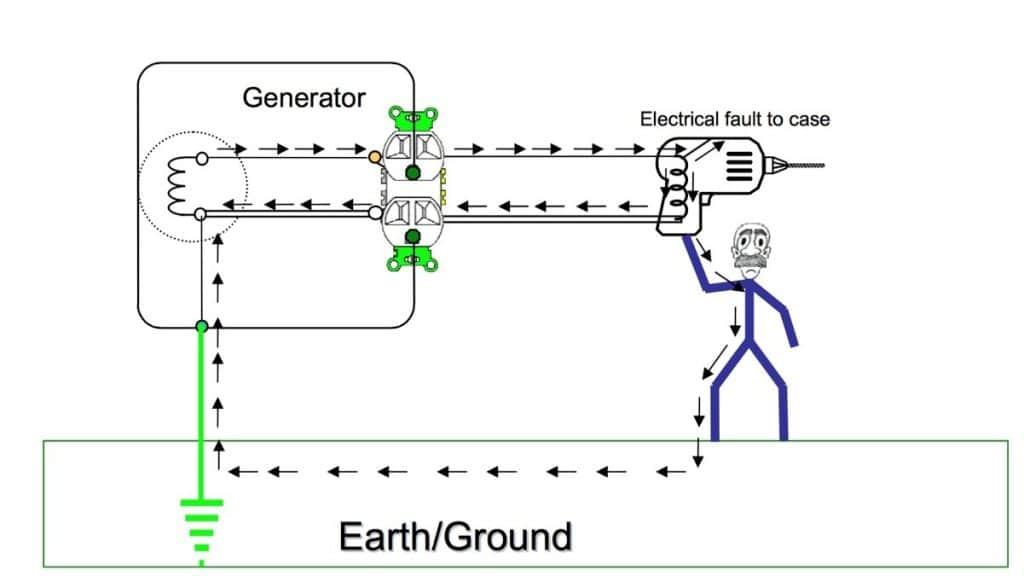
A ground rod is a metal rod driven into the earth. Its main job is to keep electrical systems safe. It helps by giving electricity a safe path to the ground. This stops shocks and fires.
Ground rods work by absorbing extra electricityfrom lightning or faults. They protect people and equipment. If electricity leaks, it flows into the ground instead of through you.
- Prevents electric shockduring faults.
- Protects appliancesfrom damage.
- Reduces fire risksfrom electrical faults.
- Helps circuit breakerswork properly.

Credit: www.reddit.com
Standby Generator Basics
A standby generator provides power when electricity fails. There are different types to suit various needs. Portable generators are small and easy to move. They can power a few devices at once.
Whole-house generators connect to your home’s electrical system. They turn on automatically during outages. These are larger and more powerful than portable ones.
Natural gas and diesel are common fuel types. Each fuel has benefits and drawbacks. Choose based on availability and cost.
| Type | Power Source | Use | Automatic Start |
|---|---|---|---|
| Portable | Gasoline or propane | Small appliances | No |
| Whole-house | Natural gas or diesel | Entire home | Yes |
Proper installation is key for safety and performance. Ground rods help protect from electric shocks. They connect the generator to the earth, reducing risk. Check local codes for grounding rules.
Generators must be placed outside in well-ventilated areas. Follow all instructions to avoid hazards. A professional installer can ensure safe setup.
Grounding Requirements For Generators
Standby generatorsoften require a ground rod to ensure safety and proper operation. The National Electrical Code (NEC)sets the rules for grounding. It says that most generators must have a grounding system to protect against electrical faults.
The NEC specifies how to install ground rods and connect them properly. This helps prevent shocks and fires. The size and type of ground rod depend on the generator and soil conditions.
Local rules can differ from the NEC. Some places may need extra grounding or specific materials. Checking with local authorities before installation is important. This ensures the generator meets all safety and legal standards.
| Aspect | Details |
|---|---|
| NEC Requirement | Ground rod usually required for safety |
| Ground Rod Material | Copper or galvanized steel |
| Local Variations | May need extra grounding or special installation |
| Connection | Must be secure and follow code |
When A Ground Rod Is Needed
Standby generatorsrequire grounding to keep electrical systems safe. The need for a ground roddepends on how the generator is connected and where it is installed.
Generators connected with a transfer switchthat switches the neutral to ground usually need a ground rod. This helps protect against electrical shocks and damage.
Generators with a floating neutralmay not need a separate ground rod if the main panel already provides grounding. Always check local codes.
| Generator Connection Type | Ground Rod Needed? | Reason |
|---|---|---|
| Transfer switch switches neutral to ground | Yes | Prevents shock, improves safety |
| Floating neutral | Usually no | Main panel grounding suffices |
Installation environment affects grounding needs. Wet, rocky, or sandy soilscan make grounding harder. More rods or deeper rods might be needed for good earth contact.
Close proximity to metal pipes or structures may require extra grounding to avoid stray currents. Local rules often guide the best practice for your area.
Safety Risks Without Proper Grounding
Without a proper ground rod, standby generators can pose serious safety risks. The risk of electrical shockincreases because electricity may travel through metal parts. This can harm anyone touching the generator or nearby equipment.
Generators not grounded correctly may also cause equipment damage. Electrical surges or faults can destroy sensitive parts inside the generator and connected devices. Ground rods help direct excess electricity safely into the earth.
- Risk of electric shock to people rises.
- Potential damage to the generator and appliances.
- Increased chance of fire or electrical faults.
- Ground rod provides a safe path for excess current.
How To Install A Ground Rod
Choose a spot near the generator but away from footpaths. The ground should be soft enough to drive the rod in easily. Avoid rocky or dry soil because it reduces grounding effectiveness. Check local codes for rules about grounding locations. Keep the rod at least 6 feet from water pipes and electrical lines for safety.
Drive the ground rod straight into the earth. Use a hammer or a ground rod driver tool. The rod must be at least 8 feet long to reach moist soil. Leave about 2 inches above the ground for attaching the wire. Use a grounding clamp to connect the wire tightly to the rod. Make sure the wire runs safely to the generator’s grounding terminal.
Testing And Maintenance
Ground resistance testingensures the generator’s safety and proper function. Use a ground resistance meterto measure resistance between the ground rod and earth. Ideal resistance should be less than 25 ohms. High resistance means poor grounding, which can cause electric shocks or damage. Testing should be done at least once a yearor after major weather events.
- Check for loose connections on the ground rod.
- Inspect the rod for rust or damage.
- Verify the grounding wire is intact and secure.
- Look for signs of corrosion around the grounding system.
Routine inspections help catch problems early. Keep a maintenance logto track testing dates and results. Call a professional if resistance is too high or if the rod is damaged. Safe grounding protects people and equipment.
Common Mistakes To Avoid
Placing the ground rod too close to the generator can cause poor grounding. It must be driven deep into the soil for better contact. Avoid placing it near concrete or metal objects. These materials can block electrical flow and reduce safety.
Local electrical codes often have specific rules about ground rod placement and installation. Not following these rules can cause legal issues and unsafe setups. Always check local codes before starting installation. This ensures your generator is safe and meets regulations.
Alternative Grounding Methods
Standby generators often use the building’s existing grounding system. This means they do not always need a separate ground rod.
The transfer switchplays a key role in grounding. It connects the generator’s ground to the building’s ground. This makes the grounding safe and effective.
- Using existing grounds can save time and money.
- The transfer switch ensures the generator is properly grounded.
- It helps prevent electrical shock and damage.
- Check local codes to confirm grounding rules.
Credit: www.jadelearning.com
Frequently Asked Questions
Does A Standby Generator Require A Ground Rod?
Yes, most standby generators need a ground rod to ensure safety. It helps prevent electrical shocks and protects equipment from surges. Grounding is essential to meet electrical codes and maintain proper operation during power outages.
How Does Grounding Protect A Standby Generator?
Grounding directs excess electricity safely into the earth. It prevents damage from electrical faults and reduces shock risks. Proper grounding ensures the generator operates reliably and protects connected appliances during power surges or lightning strikes.
Can A Standby Generator Operate Without A Ground Rod?
Technically, some generators can run without a ground rod if properly bonded. However, lacking a ground rod may violate local codes and increase safety risks. Installing a ground rod is highly recommended for safe and compliant generator operation.
What Size Ground Rod Is Needed For A Standby Generator?
A standard 8-foot copper or copper-clad ground rod is commonly required. The rod must be driven fully into the ground to ensure effective grounding. Local electrical codes may specify exact size and installation requirements.
Conclusion
Ground rods play a crucial role in generator safety. They protect against electrical faults. This makes operations safer. Generators need proper grounding for efficient functioning. Without it, risks increase. Fires and electric shocks become more likely. Always check grounding requirements for your generator.
Consult a professional for guidance. Ensure your generator setup meets local codes. Safety should be your top priority. Proper grounding ensures peace of mind. It keeps your generator reliable. Avoid potential hazards with correct installation. Protect your home and loved ones.
Grounding is not just a technicality. It’s essential.