
Are you curious about how being on standby at your job affects your paid time off? You’re not alone.
This is a question that many employees ponder, as the concept of standby work blurs the lines between personal and professional time. Understanding whether your standby hours contribute to your paid time off can have a significant impact on how you plan your work-life balance.
Imagine having the freedom to accurately manage your time, knowing exactly how your efforts translate into benefits. Stick with us as we unravel this often misunderstood aspect of employment. You might just find the clarity you need to make informed decisions about your time and productivity.

Credit: travelpro.com
Standby Work Explained
Standby dutymeans being ready to work outside normal hours. Workers must be available to start work quickly if needed. This time is often spent waiting at home or nearby.
During standby, employees may not do their regular job but must stay reachable. The worker’s freedom is limited because they must respond fast. This can affect how standby time is paid or counted as paid time off.
- Emergency responsestaff waiting for calls
- IT workers ready to fix urgent system issues
- Healthcare workers on call for patient needs
- Maintenance teams on standby for equipment breakdowns
Paid Time Off Basics
Paid Time Off (PTO)allows employees to take time off work with pay. Common types include vacation days, sick leave, and personal days. Some companies also offer holidays and bereavement leaveas part of PTO.
PTO often accumulatesover time based on hours worked or length of employment. For example, an employee might earn 1 hour of PTO for every 20 hours worked. This accumulation can vary by company policy and local laws.
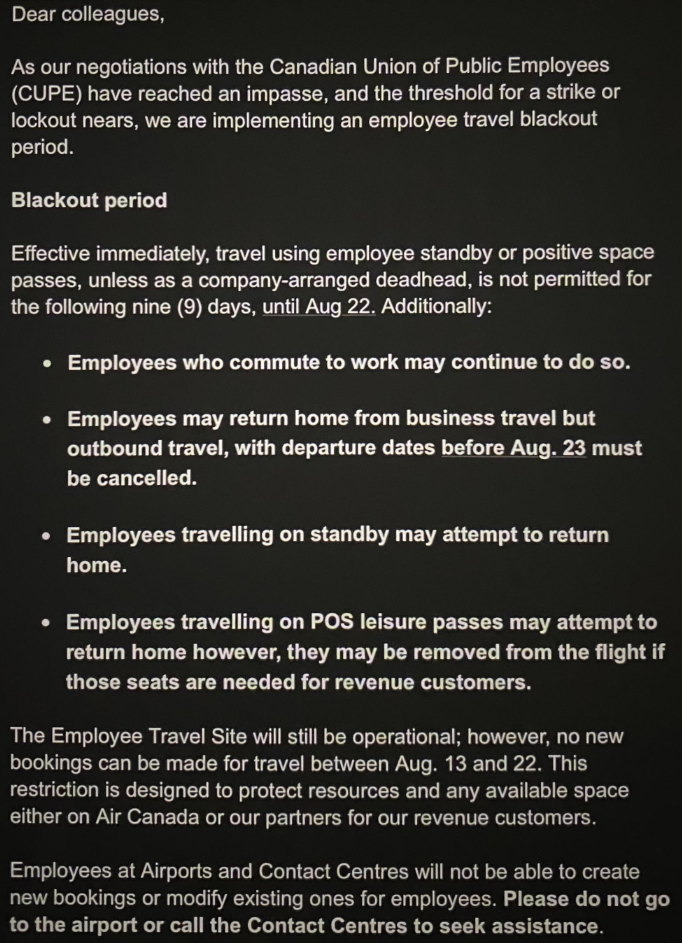
Being on standbymeans being ready to work if needed, but not actively working. Whether standby time counts toward PTO depends on the employer’s rules and labor laws. Some employers count standby as paid time, while others do not.
Standby And Pto Policies
Standby pay and paid time off (PTO)policies differ across companies. Some employers count standby hours as work time. This can add to your PTO balance. Others do not include standby time for PTO calculations.
Understanding your company’s policyis important. Ask your HR department if standby hours qualify for PTO. Policies may depend on how often you are called to work during standby.
| Aspect | Company Policy Variations | Legal Requirements |
|---|---|---|
| Standby Pay | Paid or unpaid, varies by company | Must comply with local labor laws |
| PTO Accrual | Some include standby time, others exclude | Depends on state or country regulations |
| Overtime | May apply if standby leads to work | Federal and state rules vary |
Labor laws often set minimum standards. Employers cannot pay less than the legal wage. Standby time rules differ by state and country. Check local laws for your rights.
Factors Affecting Pto For Standby
Paid time off for standby depends on company policy and local labor laws. Some employers count standby hours as work time, while others do not. Clear communication about standby rules helps avoid confusion.
Hours Counted As Work
Paid Time Off (PTO)depends on how employers count standby hours. Some count only the hours you actively work. Others include the entire standby period as work time. This difference affects how much PTO you earn.
Rules often vary by company policy and local laws. Knowing how your employer treats standby hours helps you understand your PTO rights.
On-call Vs. Actual Work Time
Time spent on-callis different from the time spent actually working. On-call means you must be ready but not always working. Actual work time is when you perform your job tasks.
Some employers pay for on-call time as work hours, boosting your PTO. Others pay only for active work, limiting PTO accrual.
Case Studies And Examples
Different industrieshave varied rules on standby and paid time off (PTO). In healthcare, standby hours often count as work hours for PTO. In retail, standby time might not always earn PTO unless the employee works during that time. The IT sectorsometimes treats standby as on-call time, paying less and not always counting it toward PTO.
Real employees share mixed experiences. Some say their standby time helped build PTO, while others report no PTO earned unless they actually worked. Many mention the importance of checking company policiesor union rules. Some companies offer extra pay but no PTO.
| Industry | Standby Paid? | Standby Counts Toward PTO? | Employee Experience |
|---|---|---|---|
| Healthcare | Yes | Usually yes | Standby counted as work time |
| Retail | Sometimes | No unless worked | Mixed reports from staff |
| IT | Yes but less pay | Rarely | Paid for standby, no PTO |

Credit: www.reddit.com
Maximizing Pto Benefits
Negotiating standby terms can help you earn paid time off (PTO)for hours spent waiting. Discuss with your employer how standby hours are counted. Some companies pay full PTO for all standby time. Others pay only if called to work. Clear terms avoid confusion and ensure fair treatment.
Tracking standby hours accurately is key to maximizing PTO benefits. Use a simple log to record start and end times. Note any calls to work during standby. This helps prove your standby time to supervisors. Keep records safe and update them daily for accuracy.
Legal Rights And Disputes
Legal disputes about paid time off (PTO) during standby often arise due to unclear policies. Many employees believe standby hours should count as work hours. Employers may disagree, causing conflicts. The main legal question is whether standby time is “working time” under labor laws.
Common challenges include:
- Defining standby time as paid or unpaid
- Understanding local labor laws and regulations
- Different rules for on-site vs. off-site standby
- Employer policies that lack clarity
To address PTO disputes, follow these steps:
- Review your employment contract and company handbook carefully.
- Keep records of standby hours and any work done during those times.
- Communicate concerns clearly with HR or supervisors.
- Seek advice from a labor rights expert if needed.
- Consider mediation before legal action.
Credit: viewfromthewing.com
Frequently Asked Questions
Does Standby Time Count As Paid Time Off?
Standby time policies vary by employer and location. Some companies count standby hours toward paid time off, while others do not. Always check your employment contract or company handbook for specific details on standby time and PTO eligibility.
Can Being On Standby Generate Extra Paid Leave?
Being on standby usually does not generate extra paid leave automatically. However, some employers offer additional compensation or PTO for standby shifts. Review your workplace policies or labor laws to understand if standby duty entitles you to extra paid leave.
How Is Paid Time Off Calculated During Standby?
Paid time off during standby depends on company rules and labor laws. Some employers count standby hours as work hours, contributing to PTO accrual. Others treat standby differently, so verify your specific agreement for accurate PTO calculations.
Is Standby Time Considered Working Hours Legally?
In many regions, standby time is considered working hours only if certain conditions are met. Legal definitions vary, often depending on whether you must remain at a specific location or respond immediately. Check local labor laws for clarity on standby work hours.
Conclusion
Being on standby does not always earn paid time off. Policies vary by company and location. Employees should check their contracts carefully. Knowing your rights helps avoid confusion. Standby work can feel stressful and tiring. Employers may offer compensation or time off.
Clear communication with your employer is key. Understanding rules keeps you prepared and informed. Always ask for details about standby pay. This helps protect your time and effort.