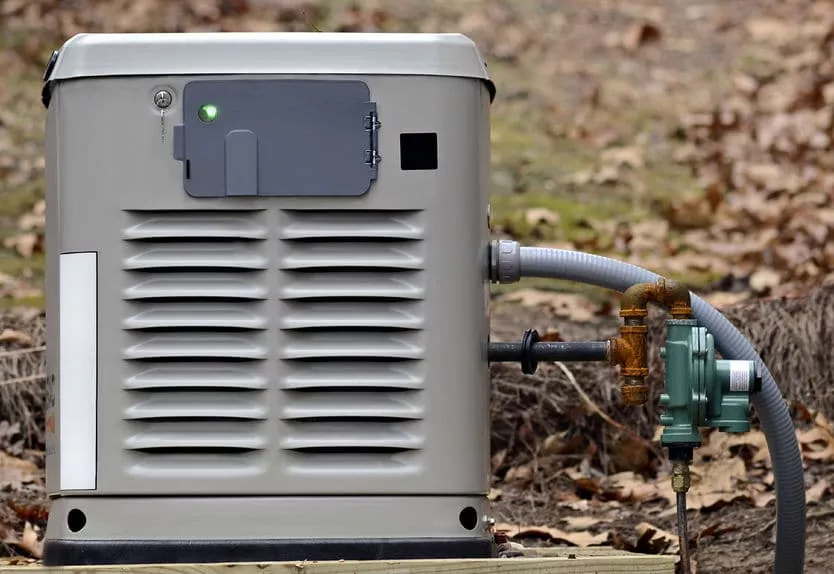
Imagine this: a storm hits, the power goes out, and you’re left in the dark. But what if you could keep your lights on, your fridge running, and your home comfortable?
That’s the magic of a standby generator. This powerful device kicks in automatically when your electricity fails, ensuring that your life continues uninterrupted. Curious about how this technological marvel works? You’re not alone. Understanding its inner workings can give you peace of mind and confidence in your home’s resilience.
Stay with us as we unravel the mystery of how a standby generator keeps your world spinning, even when the grid doesn’t.
Standby Generator Basics
A standby generatoris a device that provides power during outages. It starts automatically when the main power fails. This ensures your home or business keeps running without interruption.
Key components include:
- Engine:Runs on fuel like gas or diesel.
- Alternator:Converts engine power into electricity.
- Automatic Transfer Switch (ATS):Switches power source from grid to generator.
- Fuel System:Supplies fuel to the engine.
- Control Panel:Monitors and controls generator functions.
Types of standby generators:
- Air-cooled:Smaller, often for homes.
- Liquid-cooled:Larger, used for commercial or industrial needs.
Power Activation Process
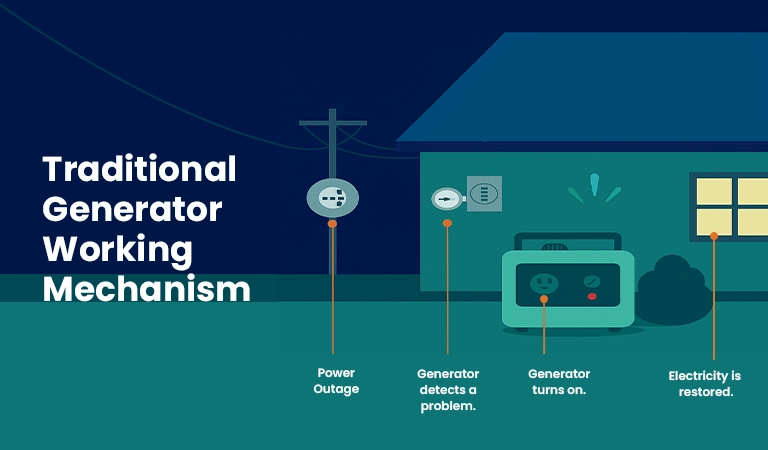
The Automatic Transfer Switch (ATS)senses when the main power fails. It quickly detects any power outagesto keep your home safe. Once the outage is confirmed, the ATS sends a signal to start the generator.
The generator then starts automaticallywithout any help. It begins to produce electricity to power your home. This process happens in just a few seconds to avoid long dark periods.
The ATS also switches your home’s electricity from the main power line to the generator. It makes sure the power flows smoothly. When the main power returns, the ATS switches back, and the generator stops.
Fuel And Energy Sources
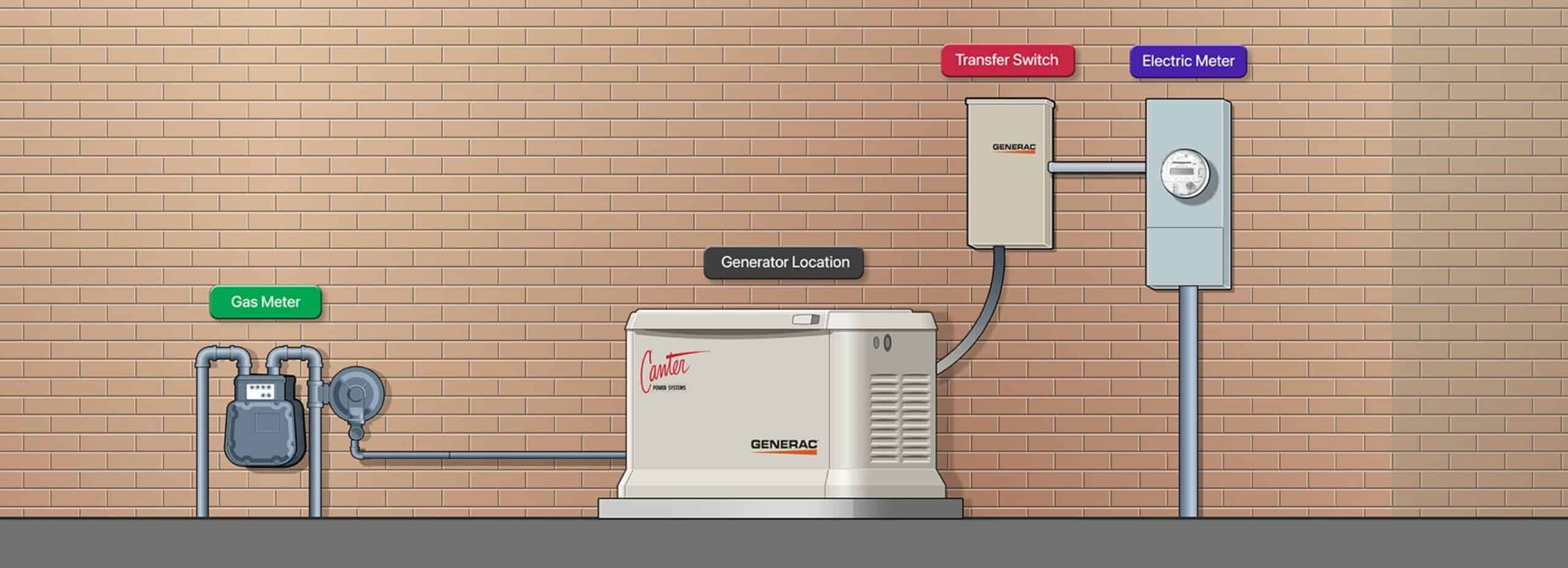
Natural gasand propaneare common fuels for standby generators. Natural gas comes through pipelines, so it offers a steady supply without refilling. Propane is stored in tanks and must be refilled when low. It works well in places without gas lines.
Fuel storage differs for both. Natural gas needs no storage tank at home. Propane requires a tank that must be kept full. This can affect how long the generator runs during an outage.
| Aspect | Natural Gas | Propane |
|---|---|---|
| Supply | Continuous via pipeline | Stored in tank, needs refilling |
| Storage | No storage tank needed | Requires a storage tank |
| Efficiency | Generally lower energy content | Higher energy content, burns cleaner |
Propane burns cleaner and often produces more power per unit. Natural gas is usually cheaper but may run out if pipelines fail. Each fuel has pros and cons depending on your needs and location.
Credit: columbusenergies.com
Generator Operation
A standby generator runs automatically during a power outage. It powers your home or business with electricity. The running load capacitymeans how much power the generator can safely provide. Too much load can damage the generator or cause it to stop.
Maintaining voltage and frequencyis very important. Voltage must stay steady to protect your devices. Frequency, usually 60 Hz, must be stable to keep machines running smoothly.
Cooling and exhaust systemshelp the generator work safely. Cooling stops the engine from overheating. Exhaust removes harmful gases produced by burning fuel. Both systems keep the generator running for a long time.
Maintenance And Testing
Routine inspection tasks help keep a standby generator ready. Check oil, coolant, and fuel levels often. Look for leaks or loose wires. Clean air filters to prevent dirt build-up. Listen for strange noises during operation. Visual checks ensure no damage or wear.
Regular testing procedures confirm the generator works well. Run the generator under load for about 30 minutes monthly. This keeps the battery charged and engine parts lubricated. Test automatic transfer switch to see if power shifts correctly. Record all test results for future checks.
Troubleshooting common issues saves time and money. If the generator won’t start, check the battery and fuel supply. For low power output, inspect fuel filters and spark plugs. If the engine runs roughly, clean or replace air filters. Reset circuit breakers if power cuts off unexpectedly.
Credit: solarsme.com
Installation And Safety
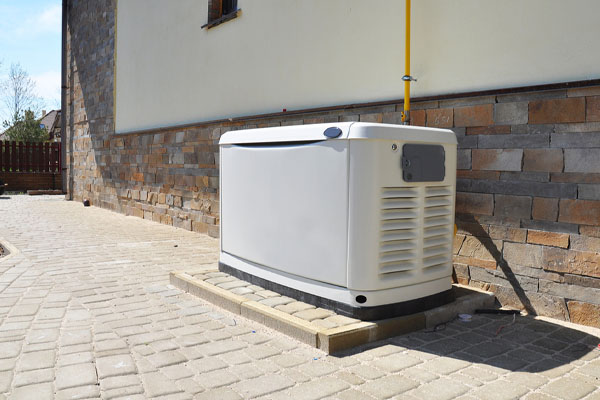
Choosing the right site for a standby generator is crucial. The spot must be dry, well-ventilated, and away from windows or doors. Noise levels should be considered to avoid disturbing neighbors. The generator needs a solid, level base to sit on, like concrete or gravel.
Professional installation involves several key steps. The installer will check local codes and permits first. Then, they connect the generator to your home’s electrical system with a transfer switch. Testing ensures the generator starts and powers your home safely during outages.
Safety is very important. Generators must be kept outside to prevent carbon monoxide buildup. Never plug a generator directly into a wall outlet. Use heavy-duty extension cords rated for outdoor use. Regular maintenance and fuel checks help keep the generator ready and safe.
Benefits Of Standby Generators
Standby generatorsprovide a constant power supplyduring outages. This means no interruptions in daily life or work. They start automatically when the main power fails, keeping homes and businesses running smoothly.
They also protect sensitive equipmentlike computers and medical devices. Sudden power loss can cause damage or data loss. Standby generators give a steady flow of electricity, avoiding these risks.
Having a standby generator can raise property value. Buyers see it as a useful feature. It shows the property is prepared for emergencies and power issues.
Credit: canterpowersystems.com
Frequently Asked Questions
What Triggers A Standby Generator To Start?
A standby generator starts automatically when it detects a power outage. It uses an automatic transfer switch to sense electrical failure and immediately powers your home or business without manual intervention.
How Does A Standby Generator Supply Power?
It runs on fuel, such as natural gas or propane, to generate electricity. The generator converts fuel into electrical energy, supplying power through your home’s electrical system during outages.
How Long Can A Standby Generator Run Continuously?
Run time depends on fuel supply and generator size. With an adequate fuel source, many standby generators can operate for days without interruption, ensuring continuous power during extended outages.
Is A Standby Generator Noisy During Operation?
Standby generators produce some noise, but modern models have noise-reduction features. They are designed to operate quietly, minimizing disturbance while providing reliable backup power.
Conclusion
A standby generator provides power when the main supply stops. It senses outages and starts automatically. Fuel keeps it running until power returns. This device protects homes and businesses from blackouts. Knowing how it works helps you choose the right model.
Regular maintenance ensures it runs smoothly when needed. A standby generator offers peace of mind during storms or emergencies. Simple, reliable, and ready to help anytime.