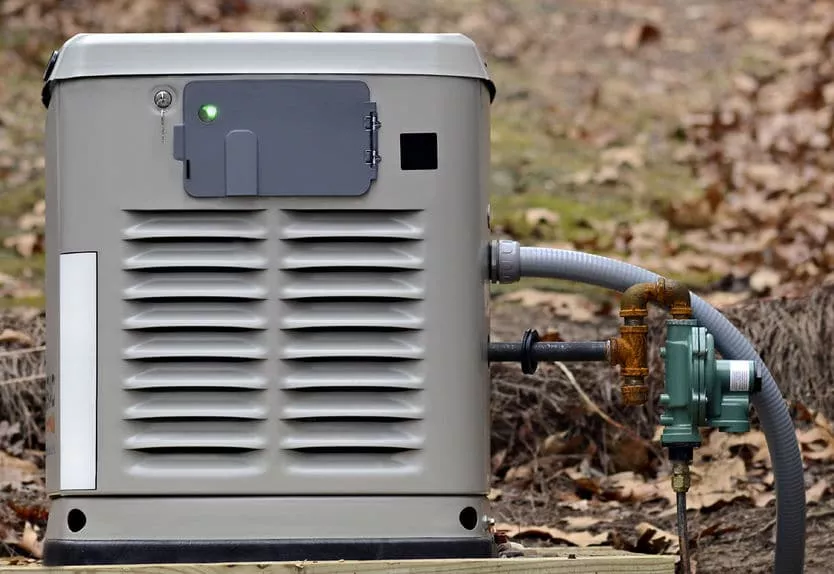
Have you ever wondered what keeps your standby generator ready to spring into action during a power outage? Understanding how standby generators are powered can make you feel more confident about your home’s energy security.
You might be surprised to learn that these devices, which sit quietly until needed, rely on a few clever technologies to ensure they’re always ready. Imagine the peace of mind you’ll have knowing exactly how your generator maintains its readiness.
Let’s delve into the fascinating world of standby power and discover the secrets behind these essential machines. You’ll soon see why knowing this could be a game-changer for your energy needs.
Credit: www.generac.com
Types Of Standby Generators
Gasoline generatorsrun on petrol. They are easy to start and good for short-term use. Gasoline is widely available but stores for a short time.
Diesel generatorsuse diesel fuel. They last longer and are more fuel-efficient. Diesel is safer to store than gasoline but can be noisy.
Natural gas generatorsconnect to gas pipelines. They run cleanly and do not need refueling. These generators are great for long-term power backup.
Propane generatorsuse liquid propane stored in tanks. They burn cleaner than gasoline and diesel. Propane stores well and works in cold weather.

Credit: www.generac.com
Fuel Sources Explained
Standby generatorsuse different types of fuel. Common fuels include natural gas, propane, and diesel. Each fuel has different availability and storageneeds. Natural gas connects directly to gas lines, so storage is not needed. Propane and diesel require tanks for storage. Tanks must be kept safe and inspected regularly.
Fuel efficiencyvaries by type. Natural gas burns clean and is cost-effective. Propane burns cleaner than diesel but can cost more. Diesel is powerful but less fuel-efficient. It produces more emissions and needs more storage space.
| Fuel Type | Availability | Storage | Fuel Efficiency | Environmental Impact |
|---|---|---|---|---|
| Natural Gas | Connected to gas lines | No storage tank needed | High | Low emissions |
| Propane | Delivered in tanks | Requires safe tanks | Moderate | Moderate emissions |
| Diesel | Delivered by fuel trucks | Large tanks required | Lower | High emissions |
Generator Power Mechanics
A standby generator uses an enginepowered by fuels like natural gas, propane, or diesel. This engine runs automatically during a power outage. It works like a car engine, turning fuel into mechanical energy.
The mechanical energy then moves a part called the rotor. This rotor spins inside a statorto create electricity. This process is called electromagnetic induction.
The generator produces electric currentthat powers your home or business. It starts quickly, often within seconds, to keep things running smoothly.
Automatic Vs Manual Operation
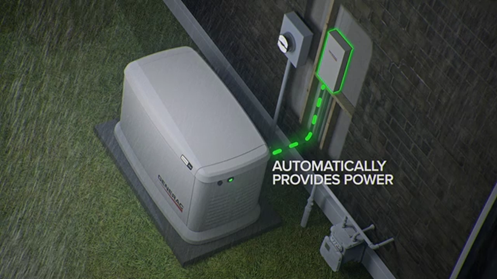
Automatic startactivates the generator during power outages. A sensor detects the loss of electricity. This triggers the generator to start running within seconds. It supplies power without any human action. Once the main power returns, the generator stops automatically. This system offers convenienceand quick response.
Manual activationmeans someone must start the generator. This can be done with a switch or a pull cord. It gives the user full control over when to run the generator. This method is useful when power outages are rare or short. It also helps save fuel by starting the generator only when needed.
- Automatic start works without human help
- Manual start requires user action
- Automatic is faster during emergencies
- Manual saves fuel when outages are brief
- Both have pros depending on needs
Maintenance And Fuel Management
Fuel qualityis key for standby generators. Using clean, fresh fuel helps the engine run smoothly and last longer. Old or dirty fuel can cause clogs and damage parts.
Keep fuel stored in airtight containersto stop dirt and water from entering. Check fuel regularly and replace it every 6 to 12 months to keep it fresh.
Routine care keeps generators ready for use:
- Run the generator monthly to keep parts moving.
- Check oil and coolant levels often.
- Clean air filters to prevent dust build-up.
- Inspect batteries and cables for corrosion.
- Test the automatic start feature regularly.
This simple care extends generator life and ensures reliable power.

Credit: www.angi.com
Choosing The Right Fuel Type
Costplays a big role in choosing generator fuel. Natural gas and propane often cost less over time. Diesel may cost more but runs generators longer. Initial setup costs vary by fuel type and location.
Match fuel to your energy needs. Natural gas works well for long, steady power. Propane suits homes with moderate use. Diesel is good for heavy-duty or long outages. Check how much power your home or business needs.
Safetyis key. Natural gas and propane are clean but need safe storage and proper pipes. Diesel is less flammable but spills can be a hazard. Make sure fuel storage follows local rules.
Frequently Asked Questions
How Do Standby Generators Get Their Power?
Standby generators are powered mainly by natural gas, propane, or diesel fuel. They switch on automatically during outages to provide reliable electricity to homes or businesses.
Can Standby Generators Run On Propane Or Natural Gas?
Yes, many standby generators run on propane or natural gas. These fuels offer cleaner combustion and longer storage life compared to gasoline.
How Long Can A Standby Generator Run Continuously?
Standby generators can run continuously for several hours to days, depending on fuel type and tank size. Proper maintenance ensures safe, efficient operation during extended power outages.
Are Standby Generators Connected Directly To Home Electrical Systems?
Yes, standby generators connect directly to a home’s electrical panel via an automatic transfer switch. This setup ensures seamless power transfer during outages.
Conclusion
Standby generators run on different fuel types like gas, diesel, or propane. Each fuel has its own benefits and uses. These fuels help keep your power on during outages. Choosing the right fuel depends on your needs and location. Understanding how generators work helps you make smart decisions.
Power backup becomes easier with this knowledge. Stay prepared and keep your home safe. Reliable power means comfort and peace of mind.