
Imagine a stormy night. Suddenly, the power goes out, leaving you in darkness.
Your refrigerator, heating, and essential electronics stop working. This is where a standby generator becomes a lifesaver. But how exactly are these generators wired to ensure they kick in right when you need them? Understanding this can empower you to make smart decisions about your home’s energy needs.
You’ll learn the essential steps and components involved in wiring a standby generator. Whether you’re planning to install one or just curious, this guide will illuminate every detail you need to know. Ready to keep the lights on? Let’s dive in!
Types Of Standby Generators
Portable generatorsare small and easy to move. They are good for short power needs. You can use them for camping or during short power cuts. They run on gasoline or diesel. Portable generators need to be started by hand and placed outside.
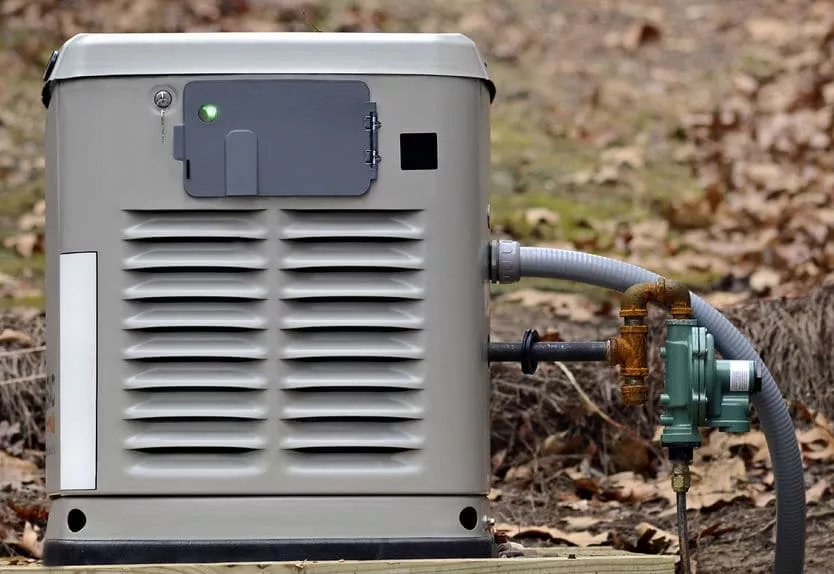
Stationary generatorsare fixed in one place. They turn on automatically during power outages. These are bigger and can power a whole house or building. They often run on natural gas or propane. Stationary units need professional installation and regular maintenance.
| Fuel Type | Usage | Common Generator Type |
|---|---|---|
| Gasoline | Short-term, portable use | Portable Generators |
| Diesel | Longer use, heavy load | Portable and Stationary |
| Natural Gas | Continuous use, home power | Stationary Generators |
| Propane | Clean burning, reliable | Stationary Generators |
Credit: www.diychatroom.com
Key Components In Wiring
Transfer switchessafely connect the generator to your home. They stop power from both the generator and the main grid from running at the same time. This keeps the wiring safe and prevents accidents.
Circuit breakersprotect your home’s electrical system. They stop the flow of electricity if there is a short or overload. This helps to avoid damage to devices and wiring.
Control panelsallow you to start and stop the generator. They also show important information like fuel level and running time. Control panels make managing your generator easy and clear.
Wiring Methods Explained
Standby generators connect directly to the main electrical panel. This allows power to flow to the house during outages. A transfer switch prevents the generator from feeding power back to the grid. This switch is vital for safety and code compliance.
Some setups use subpanelsfor specific circuits. These panels help control which parts of the home get power. It keeps the system organized and easier to manage.
Groundingthe generator is very important. It protects against electrical shocks and damage. The generator must connect to a grounding rod or system. Proper grounding ensures safety and meets local codes.
Safety Practices For Installation
Code complianceis key when wiring standby generators. Following local electrical codes keeps installations safe and legal. Always check the latest rules and get permits if needed.
Proper groundingprotects people and equipment from electric shock. Ground the generator frame and transfer switch correctly. Use a ground rod and copper wire sized per code.
- Never bypass the grounding system.
- Use a licensed electrician to ensure proper grounding.
- Confirm grounding connections are tight and corrosion-free.
- Avoid common mistakes like skipping the transfer switch.
- Do not connect the generator directly to home wiring without proper switches.
- Keep fuel sources away from electrical parts.
- Double-check all wire sizes and connections for safety.
Step-by-step Wiring Process
Preparation and planninginvolve checking local codes and gathering tools. Find a good spot for the generator, near the main power panel. Turn off the main power before starting any work. Safety first. Read the generator manual carefully for wiring instructions.
Running cablesmeans connecting the generator to the transfer switch. Use the right gauge wire to handle the power load. Keep cables neat and secure with clamps. Avoid sharp bends or damage to the wires. Run the cables through walls or conduit for protection.
Connecting to transfer switchrequires attaching wires from the generator to the switch terminals. Match wire colors correctly: black for hot, white for neutral, and green for ground. Tighten all connections firmly to avoid loose contacts. Double-check the wiring before moving on.
Testing the setupmeans turning on the generator and checking if power flows correctly. Test the transfer switch by simulating a power outage. Confirm that the generator starts and the home power shifts smoothly. Listen for unusual sounds and watch for warning lights.
Credit: www.premium-electric.ca
Troubleshooting Wiring Issues
Loose or corroded wiresoften cause standby generator faults. Check all connectionscarefully. Look for discolorationor burn marksnear terminals. Use a voltage testerto ensure power flows correctly. Tighten any loose screws to secure wires.
Power surges may damage wiring or components. A surge protectorcan help protect your system. Avoid plugging high-power devices directly into the generator. This reduces the chance of sudden current spikes. Surge protection keeps wiring safe.
- Call a professional if you see sparksor smell burning.
- Do not touch wires if unsure about safety.
- Electricians can test wiring with special tools.
- Let experts handle complex or hidden wiring issues.
Maintenance Tips For Longevity
Regular inspections keep your standby generatorin good shape. Check for loose connections, dirt, and damage. Look at wires and terminals carefully. Clean any dust or debris to avoid problems.
Replacing worn components helps avoid breakdowns. Parts like batteries, filters, and spark plugsmay need changing over time. Use the right parts to keep the generator working well.
Updating wiring is important as technology changes. Old wires might not handle new loads safely. Make sure all wiring meets current electrical codes. This prevents hazards and keeps power stable.

Credit: www.youtube.com
Frequently Asked Questions
How Are Standby Generators Connected To Home Wiring?
Standby generators connect to your home via an automatic transfer switch. This switch isolates the generator from the grid to prevent backfeed. It ensures safe power transfer during outages, powering essential circuits without manual intervention. Proper wiring follows local electrical codes for safety and efficiency.
What Is The Role Of The Transfer Switch In Wiring?
The transfer switch safely switches power between the utility and generator. It prevents electrical backfeed, protecting utility workers and equipment. It automatically detects outages and activates the generator. This device is essential for seamless and safe standby generator operation.
Can I Wire A Standby Generator Myself?
Wiring a standby generator requires electrical expertise and knowledge of local codes. DIY wiring is risky and often illegal without permits. It’s best to hire a licensed electrician to ensure safety, compliance, and proper function of your standby generator system.
Why Is Grounding Important In Generator Wiring?
Grounding prevents electrical shocks and equipment damage. It directs fault currents safely to the earth. Proper grounding is mandatory by electrical codes and enhances overall system safety. Always use the correct grounding method when wiring standby generators.
Conclusion
Wiring a standby generator needs careful planning and safety. Always follow electrical codes and use proper tools. Connect the generator to a transfer switch for smooth power shifts. Check all connections twice to avoid problems. Regular tests help keep the system ready.
A well-wired generator protects your home during outages. Stay safe and consult a professional if unsure. Reliable power backup is possible with the right wiring steps. Simple, clear wiring keeps your generator working when you need it.