
Are you tired of power outages disrupting your daily routine? Whether you’re working from home, keeping your family comfortable, or simply trying to protect your home appliances, a standby generator can be your lifesaver.
But here comes the big question: How big a standby generator do you need? Choosing the right size isn’t just about keeping the lights on; it’s about ensuring your peace of mind and safeguarding your lifestyle. Dive into this guide and discover how to select the perfect generator size for your needs.
With the right information, you can make an informed decision that keeps your home running smoothly, no matter what happens outside. Ready to power up your knowledge? Let’s get started!
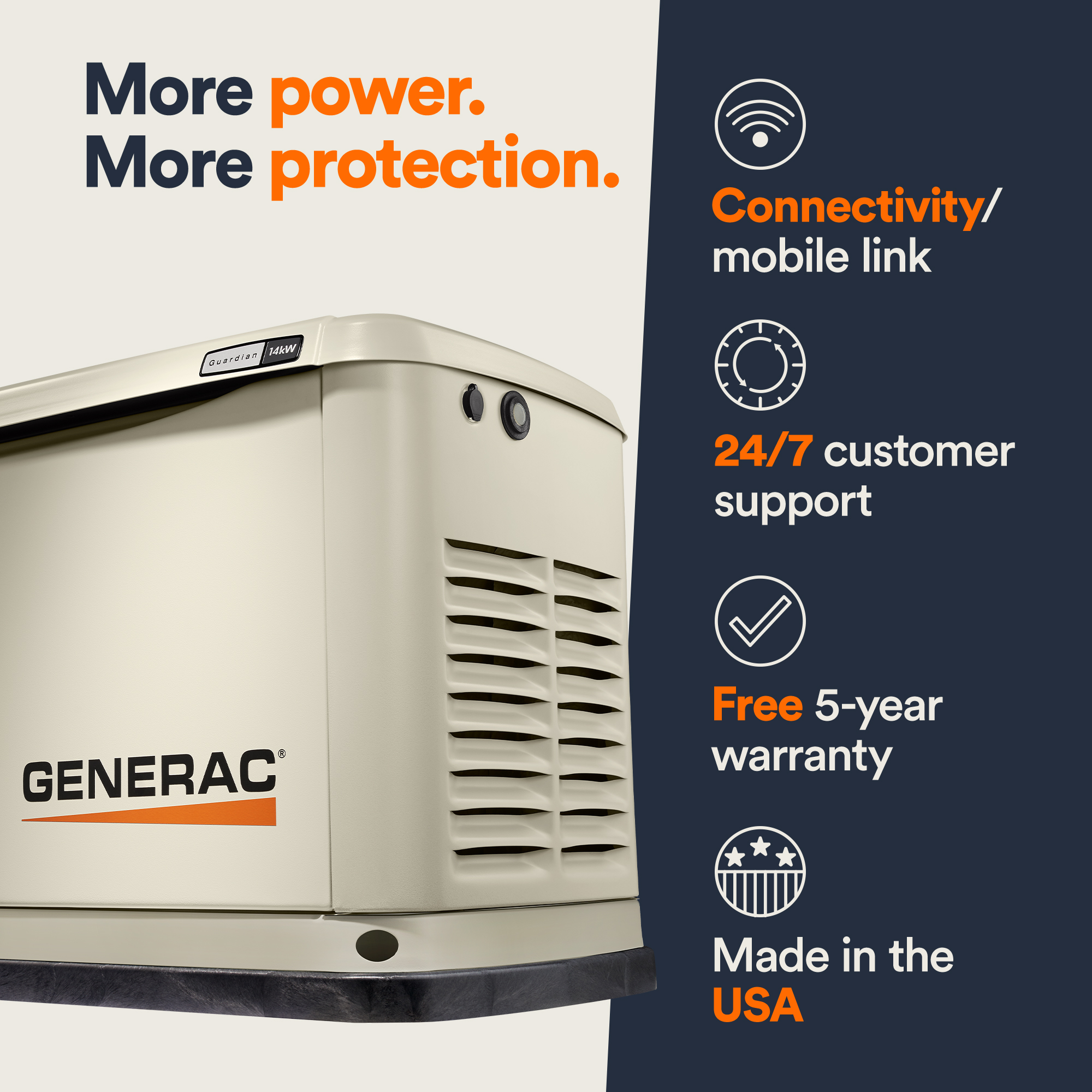
Credit: www.generac.com
Assess Power Needs
Start by listing all essential appliancesyou want to power during an outage. These usually include the refrigerator, lights, furnace, and sump pump. Consider devices you cannot live without for hours or days.
Calculate the total wattageby adding the power each appliance uses. Check appliance labels or manuals for wattage numbers. Add both running watts(normal operation) and starting watts(power surge when device starts).
| Appliance | Running Watts | Starting Watts |
|---|---|---|
| Refrigerator | 600 | 1800 |
| Furnace | 1200 | 2400 |
| Sump Pump | 800 | 1600 |
| Lights | 300 | 300 |
Choose a generator that can handle the highest starting wattage. This wattage is usually higher than running watts. This ensures the generator can power all appliances without overload.
Types Of Generators
Portable generatorsare small and easy to move. They work well for camping or small power needs. They run on gasoline and can power a few devices at once. Not good for whole houses.
Standby generatorsare bigger and stay outside your home. They turn on automatically if power goes out. These use natural gas or propane. They can power your entire home or business.
Inverter generatorsare quiet and fuel-efficient. They give clean power, safe for sensitive electronics. Great for small appliances and outdoor use. Usually smaller than standby generators but better quality power than portable ones.
Generator Sizing Factors
The size of your homeaffects the generator power needed. Bigger homes need more power. The layoutmatters too. Open spaces or many rooms change how electricity flows.
Fuel typeis important. Options include natural gas, propane,or diesel. Choose what is easy to get and store. Fuel availability can limit your choices.
Think about future power needs. Will you add new appliances or devices? Plan for growth so the generator can handle extra load. This avoids buying a new one soon.
Load Calculation Methods
Manual load assessmentmeans listing all devices you want to power. Add their wattage to find total power needed. Check labels on appliances or use user manuals. Don’t forget surge power for items like refrigerators or pumps. This method is simple but can miss hidden loads.
Using online calculatorsis a quick way to estimate generator size. Enter your device types and their wattage into the tool. The calculator adds everything and suggests generator capacity. It is faster than manual counting and reduces errors.
Consulting professionalscan help if the load is complex. Experts use tools and experience to find exact power needs. They consider future needs and safety margins. This option is best for big homes or businesses.
Common Generator Sizes
Small capacity generators usually provide between 1,000 and 5,000 watts. These are perfect for powering a few essential items like lights, fans, and small appliances. They are easy to move and cost less.
Medium capacity generators offer around 5,000 to 10,000 watts. They can run larger appliances such as refrigerators, sump pumps, and multiple lights. These generators are suitable for most homes.
Large capacity generators produce more than 10,000 watts. They can power an entire house or small business, including heating systems and air conditioners. These are usually fixed and more expensive.
| Generator Size | Watt Range | Typical Use |
|---|---|---|
| Small Capacity | 1,000 – 5,000 watts | Lights, fans, small appliances |
| Medium Capacity | 5,000 – 10,000 watts | Refrigerators, sump pumps, multiple lights |
| Large Capacity | 10,000+ watts | Whole house, heating, air conditioning |

Credit: www.angi.com
Installation Considerations
Placementof the generator is key. It should be on a flat, stable surface outside the house. Keep it away from windows and doors to avoid carbon monoxide buildup. Good ventilationis critical for safety and efficient operation. Avoid enclosed spaces that trap fumes.
Electrical connections must be done by a licensed electrician. The generator must connect to the home’s main electrical panel through a transfer switch. This switch stops power from the utility line to prevent backfeed, which can be dangerous for utility workers and your generator.
Permits from local authorities are usually required before installation. Check local building codesto ensure compliance. Failure to follow rules can lead to fines or removal of the generator.
Maintenance And Operation Tips
Routine checks keep the generator working well. Check oil levels and air filters often. Change oil every 50 to 100 hours of use. Test the battery and clean terminals. Run the generator monthly for about 20 minutes. This helps prevent problems and keeps parts moving.
Store fuel safely in clean, sealed containers. Use fresh fuel and add stabilizer if storing for over 30 days. Keep fuel away from heat and flames. Label containers clearly and place them in a cool, dry spot.
- Keep the area around the generator clear and dry.
- Do not run the generator indoors or in closed spaces.
- Use proper cords rated for generator power.
- Turn off the generator before refueling to avoid fire risk.
- Follow all local safety rules and guidelines.
Cost And Budgeting
The initial investmentfor a standby generator varies by size and brand. Larger units cost more but offer better power backup. Choose a generator that fits your budgetand power needs.
Operating costsinclude fuel, maintenance, and repairs. Diesel and natural gas generators have different fuel expenses. Regular servicing helps keep costs low and extends the generator’s life.
| Warranty and Service Plans | Details |
|---|---|
| Standard Warranty | Usually 1 to 3 years covering parts and labor |
| Extended Warranty | Additional coverage beyond standard period |
| Service Plans | Scheduled maintenance visits and priority support |

Credit: nomicpower.com
Frequently Asked Questions
How Do I Calculate Generator Size For My Home?
Calculate your home’s total wattage needs by adding all essential appliances’ starting and running watts. Include lights, fridge, HVAC, and electronics. Choose a generator with a capacity 20-25% higher than this total to ensure reliable power during outages.
What Factors Affect Standby Generator Size?
Key factors include your home’s total wattage needs, essential appliances, and starting wattage of motors. Consider future power requirements and peak loads. Also, factor in the generator’s efficiency and fuel type to select the right size for consistent backup power.
Can A Generator Be Too Big For My House?
Yes, an oversized generator wastes fuel and increases costs. It may cause frequent short cycling, reducing lifespan. Choose a generator sized to meet your actual power needs for optimal performance, efficiency, and cost savings.
How Many Watts Does A Typical Standby Generator Produce?
Typical home standby generators produce between 7,000 and 22,000 watts. The size depends on your home’s power demands. Smaller homes may need 7,000-10,000 watts, while larger homes require 15,000 watts or more for full backup power.
Conclusion
Choosing the right standby generator size protects your home and comfort. Calculate your power needs carefully to avoid surprises. A generator that is too small won’t run all devices. One that is too large wastes money and space. Focus on essential appliances and add a little extra power.
This balance keeps your home safe and energy flowing. Take time to plan well. Your reliable generator is worth the effort.