Are you tired of power outages disrupting your daily life? A home standby generator might just be the solution you need.
But here’s the big question: how big should it be? Choosing the right size is crucial. It ensures that you have enough power to keep essential appliances running smoothly, without overspending on a generator that’s too large. Picture this: the lights flicker, but then everything stays on as if nothing happened.
That’s the magic of having the perfect generator for your home. You’ll discover exactly how to determine the size you need, ensuring peace of mind and uninterrupted comfort. Stay with us, and you’ll find out how to make the best choice for your home.

Credit: beckelectriccompany.com
Assessing Your Power Needs
Calculate the total wattageto know the size of the generator needed. Add the wattage of every appliance you want to power during an outage. Separate appliances into two groups: essentialand non-essential. Essential appliances include refrigerators, lights, and medical devices. Non-essential ones may be TVs or extra outlets.
Consider starting wattsand running watts. Some devices need extra power to start, like air conditioners and refrigerators. Running watts are the normal power these appliances use. Choose a generator that covers the highest starting wattage plus running watts.
| Appliance | Running Watts | Starting Watts |
|---|---|---|
| Refrigerator | 700 | 2200 |
| Air Conditioner | 1500 | 4500 |
| Lights | 300 | 300 |

Credit: www.cummins.com
Types Of Home Generators
Portable generatorsare small and easy to move. They work well for short power outages. You must use fuel like gasoline. They can power a few devices at once.
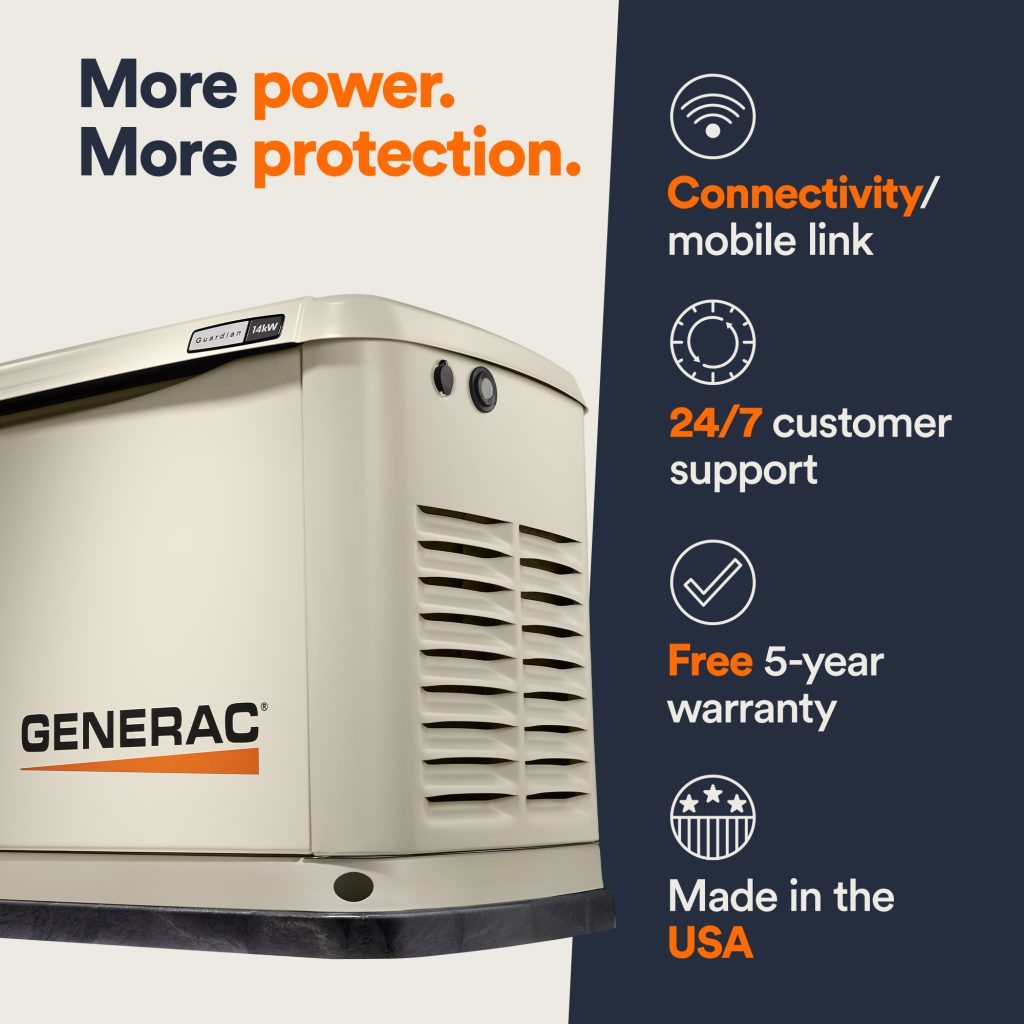
Standby generatorsare fixed outside your home. They turn on automatically during power loss. These generators use natural gas or propane. They can power the whole house for a long time.
Inverter generatorsare quiet and fuel-efficient. They produce clean power safe for sensitive electronics. These are good for camping or light home use.
Fuel Options For Generators
Natural gasis a popular fuel for standby generators. It connects directly to your home’s gas line, so you don’t need to refill tanks. It runs clean and is usually cheaper than other fuels.
Propaneis stored in tanks outside your home. It burns clean and lasts long on the shelf. This fuel is good if natural gas is not available.
Dieselis powerful and good for large generators. It stores well but can be noisy and needs regular maintenance.
Gasolineis easy to find and works in many generators. It is less stable for long storage and can be dangerous if not stored properly.

Credit: www.angi.com
Generator Sizing Guidelines
A home’s size and power needs guide the choice of a standby generator. Small homes usually need 5,000 to 7,500 watts. This covers essentials like lights, fridge, and some outlets. Medium homes often require 7,500 to 10,000 wattsto run more appliances and systems. Large homes can need 10,000 to 20,000 watts or moreto support full power, including heating and cooling.
| Home Size | Generator Size (Watts) | Common Uses Covered |
|---|---|---|
| Small Homes | 5,000 – 7,500 | Basic lighting, fridge, some outlets |
| Medium Homes | 7,500 – 10,000 | More appliances, heating, some AC |
| Large Homes | 10,000 – 20,000+ | Whole house power, heating, cooling |
Factors Affecting Generator Size
Climate and weatherimpact generator size. Cold areas need more power for heating. Hot places use more for cooling systems. Stormy regions might need a bigger generator for longer outages.
Home insulation and efficiencyaffect power needs. Well-insulated homes keep heat or cool air inside. This lowers energy use and generator size. Older or drafty homes may need a larger generator to cover losses.
Future power needsshould be planned. Adding appliances or rooms means more electricity use. Choosing a generator with extra capacity saves money later. Think about changes before buying.
Installation Considerations
Choosing the right locationfor your generator is key. It must be outdoors and away from windows or doors. This helps avoid dangerous fumes inside your home. Good ventilationensures the generator runs safely and cools down properly.
Getting proper permitsis often needed before installation. Local rules and codes keep your home and neighborhood safe. Check with city offices to learn what permits apply to your area.
Professional installationis best. Experts know how to set up the generator safely. They follow all rules and make sure the system works well. This can save money and prevent risks later.
Maintenance And Operation Tips
Regular testing keeps your generator ready to work. Run it for about 15 minutes every month. This helps the engine stay lubricated and prevents fuel from getting old. Check for any unusual sounds or smells during the test.
Store fuel safely in approved containers and away from heat. Use fuel stabilizers to keep it fresh for longer. Always check fuel levels before storms or long power outages.
| Common Issue | Possible Cause | Simple Fix |
|---|---|---|
| Generator won’t start | Empty fuel tank | Fill the tank with fresh fuel |
| Low power output | Dirty air filter | Clean or replace the air filter |
| Engine stalls | Old or bad fuel | Drain tank and refill with fresh fuel |
Cost Factors And Budgeting
Initial purchase pricedepends on generator size and brand. Bigger generators cost more. Prices range from a few hundred to several thousand dollars.
Installation costsinclude labor, permits, and materials. Complex installations raise the price. Some homes need extra electrical work, adding to the cost.
Operating expensescover fuel, maintenance, and repairs. Fuel type affects cost—natural gas is often cheaper than propane or gasoline. Regular maintenance keeps the generator reliable and efficient.
| Cost Factor | Details | Typical Range |
|---|---|---|
| Initial Purchase Price | Generator size and brand | $500 – $10,000+ |
| Installation Costs | Labor, permits, electrical work | $1,000 – $5,000+ |
| Operating Expenses | Fuel, maintenance, repairs | $100 – $500 per year |
Choosing The Right Brand
Choosing a reliable generator brand ensures lasting power and safety. Popular brands include Generac, Briggs & Stratton, and Kohler. These brands offer a range of sizes and features to fit different home needs.
Warranty and support are key. A strong warranty protects your investment. Look for at least a 5-year warranty and easy access to customer support. This helps fix problems quickly and keeps your generator working well.
User reviews offer real insights. Many users share how their generators perform over time. Pay attention to comments about noise level, fuel efficiency, and reliability. This feedback helps pick the best model for your home.
Frequently Asked Questions
What Size Standby Generator Do I Need For My Home?
The size depends on your home’s total wattage needs. Calculate by adding essential appliances’ wattage. Choose a generator slightly larger to avoid overload.
How To Calculate Wattage Requirements For A Generator?
List all devices and their wattage. Add running watts, then add starting watts for motor-driven devices. This gives an accurate generator size.
Can A Small Generator Power An Entire House?
A small generator usually can’t power the whole house. It’s best for essential appliances only. For full power, a larger generator is needed.
What Factors Affect Home Standby Generator Size?
Factors include total wattage, starting watts, appliance type, and future expansion. Climate and fuel type also influence generator size choice.
Conclusion
Choosing the right size for your home standby generator matters a lot. It keeps your lights on and appliances running during power outages. Think about what you really need to power at once. Too small, and it won’t help; too big, and you waste money.
Check your home’s wattage and add a little extra for safety. A well-sized generator brings peace of mind and comfort. Take your time to measure and plan well. Then enjoy reliable power whenever you need it most.