Are you tired of unexpected power outages disrupting your daily life? Imagine relaxing at home, and suddenly everything goes dark.
Your fridge, lights, and even your Wi-Fi are down. Frustrating, right? That’s where a standby generator comes in. But here’s the big question: How big of a standby generator do you really need? It’s tempting to go big, but bigger isn’t always better for your wallet or your energy needs.
In this guide, we’ll simplify the process of choosing the right generator size for you. We’ll help you avoid overspending and ensure you have just the right amount of power to keep your life running smoothly during those unexpected blackouts. Ready to find the perfect fit for your home? Let’s get started.
Assessing Your Power Needs
Calculate the total wattageof all devices you want to power. Divide them into two groups: essentialand non-essential appliances. Essential ones include refrigerators, lights, and medical devices. Non-essential items might be air conditioners or TVs.
Consider both starting wattsand running watts. Starting watts are higher because some devices need extra power at startup. For example, refrigerators use more power to start than to run.
| Appliance Type | Starting Watts | Running Watts |
|---|---|---|
| Refrigerator | 1200 | 700 |
| Air Conditioner | 2200 | 1500 |
| Lights | 100 | 60 |
Add the highest starting wattage to the total running watts for the best generator size. This ensures your generator can handle power surges safely.
Types Of Standby Generators
Portable generatorsare small and easy to move. They provide power for a few appliances or tools. These generators use gasoline and work well for short power outages or outdoor activities.
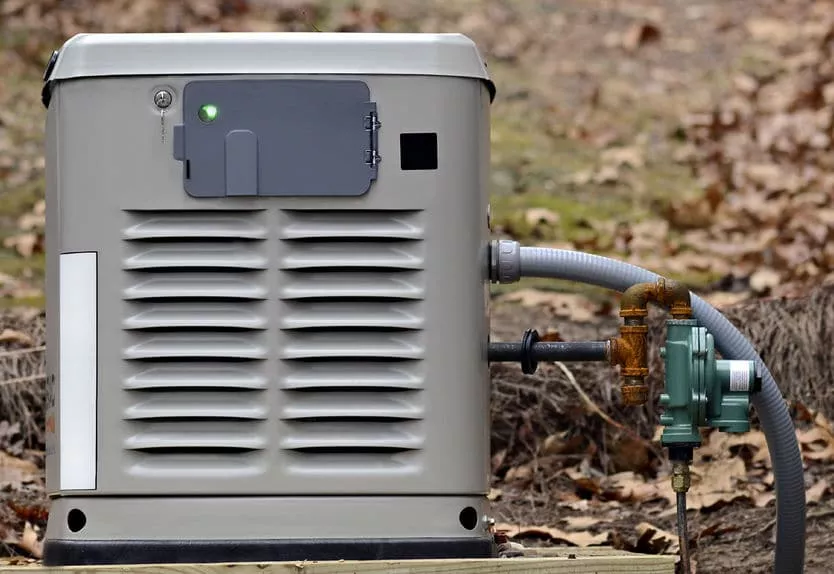
Whole-house generatorsconnect directly to a home’s electrical system. They can power the entire house during outages. These run on natural gas or propane and turn on automatically when the power goes out.
Commercial generatorsare large and built for businesses. They supply power to many machines and systems. These generators are strong and can run for a long time without stopping.
Factors Influencing Generator Size
The size of your homeaffects the generator power you need. Bigger homes use more electricity. The layoutmatters too. Large open spaces and many rooms need more power to run lights, appliances, and heating.
Electrical load complexity means how many devices and systems run at once. Simple homes with few devices need less power. Homes with many electronics, air conditioners, or electric heaters need bigger generators.
Future power needs are important. Planning for new devices or home expansion helps pick the right size. A generator that is too small may fail when extra devices turn on.

Credit: www.angi.com
Fuel Options And Their Impact
Natural gasis a popular fuel choice. It flows through pipelines directly to your home. This means you don’t need to store fuel. It is usually cheaper than other fuels. The supply is steady, so your generator can run for a long time. Maintenance is easier since it burns cleaner than diesel or propane.
Propaneis stored in tanks. It lasts longer on the shelf than gasoline. Propane burns clean, making it good for the environment. You need to refill the tank when it runs low. It is portable and can be used in many places. Propane generators can work well in cold weather.
Dieselis very powerful and reliable. It is good for large standby generators. Diesel fuel has a long shelf life but can gel in cold weather. It produces more power per gallon than propane or natural gas. Diesel engines usually last longer but need more maintenance. They are louder and can produce more fumes.
Installation Considerations
Choosing the right locationfor a standby generator is very important. It needs enough clearancearound it to work safely and quietly. Keep it away from doors and windows to avoid noise and fumes inside the house.
Check with local authoritiesabout permitsand regulations. Some places have strict rules about where generators can be placed and how they must be installed. Following these rules can prevent fines and safety risks.
- Hire a professional installerfor safety and code compliance.
- Experts ensure proper electrical connectionsand grounding.
- They verify the generator size matches your home needs.
- Professional help avoids costly mistakes and repairs.
Maintenance And Longevity
Regular testingkeeps the standby generator ready for use. Running it briefly every month helps find problems early. It also keeps the engine parts moving smoothly. Testing under load shows if the generator can handle real power needs. This simple step extends the lifeof the generator and avoids sudden failures.
Scheduled servicingis key to long-lasting performance. Changing oil and filters regularly keeps the engine clean and cool. Checking the battery and fuel system prevents starting issues. Cleaning the air filter helps the engine breathe better. A service plan from a trusted technician ensures all parts stay in good shape.
- Troubleshooting common issuesquickly stops small problems from growing.
- Look for fuel leaks, worn belts, and strange noises.
- Check battery voltage and connections often.
- Keep the generator area clean and dry.
- Follow the user manual for fixes and safety tips.
Cost Factors And Budgeting
The initial investmentincludes the price of the generator and installation fees. Bigger generators cost more but provide more power. Installation may require special permits and wiring.
Operating costscover fuel, maintenance, and repairs. Fuel usage rises with generator size. Regular checks keep the generator working well and extend its life.
| Return on Investment | Description |
|---|---|
| Cost Savings | Reduce power outage losses and avoid downtime. |
| Energy Efficiency | Smaller generators use less fuel, saving money over time. |
| Long-Term Value | Good maintenance helps keep the generator reliable for years. |

Credit: www.generac.com
Sizing Examples And Scenarios
Choosing the right standby generator sizedepends on your home needs. A small home setupmight need a generator that supports basic essentials like lights, fridge, and fan. Around 5,000 to 7,500 wattsusually works well.
A medium householdwith more appliances and devices requires more power. Generators with 10,000 to 15,000 wattscan keep the whole house running smoothly during outages.
Large propertiesor homes with heavy equipment, HVAC systems, and multiple large appliances need even bigger generators. Sizes of 20,000 watts or moreprovide enough power for these setups.
| Setup | Typical Generator Size (Watts) | Key Appliances Covered |
|---|---|---|
| Small Home | 5,000 – 7,500 | Lights, Fridge, Fan |
| Medium Household | 10,000 – 15,000 | Full House, TV, HVAC |
| Large Property | 20,000+ | HVAC, Large Appliances, Equipment |

Credit: www.hecomfortservices.com
Frequently Asked Questions
What Size Standby Generator Do I Need For My Home?
The size depends on your home’s power needs. Calculate the total wattage of essential appliances. Choose a generator that can handle 20-25% more wattage than this total for safety and efficiency.
How To Calculate Wattage For Standby Generator Sizing?
List all critical appliances and their wattage. Add up the wattage of devices you want to power simultaneously. Use this total to select a generator with a slightly higher capacity for reliable performance.
Can A Too Large Standby Generator Cause Problems?
Yes, an oversized generator may lead to inefficient fuel use and increased wear. It can cause short cycling, reducing the generator’s lifespan and increasing maintenance costs. Proper sizing ensures optimal performance and fuel efficiency.
Should I Include Surge Watts In Generator Sizing?
Always include surge watts, which cover startup power for appliances. Motors and compressors need extra power at startup. Adding surge watts ensures your generator handles these spikes without tripping or damage.
Conclusion
Choosing the right size standby generator matters a lot. It keeps your home powered during outages. Know your essential appliances and their power needs. A generator too small won’t help; too big wastes money. Take time to list what you must run.
Think about future needs as well. Consulting a professional can guide your choice. A proper generator brings peace and safety. Stay prepared and keep your home running smoothly.