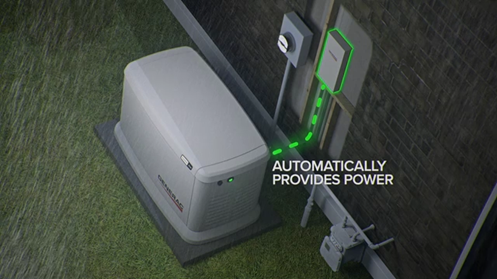
Have you ever wondered what happens when your power suddenly goes out? Picture this: a storm is raging outside, and just as you’re about to settle in for a cozy evening, the lights flicker and plunge you into darkness.
It’s a frustrating experience, isn’t it? But imagine if, within seconds, your home comes back to life without you lifting a finger. This is the magic of an automatic standby generator. You’ll discover how these incredible machines work to keep your home powered during outages.
Stay with us as we unravel the secrets behind this technology, and you’ll never look at power outages the same way again.
Basics Of Automatic Standby Generators
An automatic standby generatoris a device that provides power when electricity goes out. It starts on its own without any help. This keeps homes and businesses running smoothly during outages.
Key components include:
- Engine:Runs the generator to produce power.
- Alternator:Converts engine power into electricity.
- Transfer switch:Detects power loss and switches to generator power.
- Controller:Manages starting and stopping automatically.
There are different types of standby generators:
- Natural gas:Uses gas from pipelines, clean and reliable.
- Propane:Uses stored gas, good for remote locations.
- Diesel:Powerful and common for large needs.
Power Detection And Activation
Power outagesare detected by a sensor inside the generator system. This sensor watches the electric currentfrom the main power supply. When the current drops or stops, the sensor triggers the generator to start.
The generator has an automatic start mechanism. It uses the signal from the sensor to turn on the engine without any help. This system ensures power is restored quickly and safely.
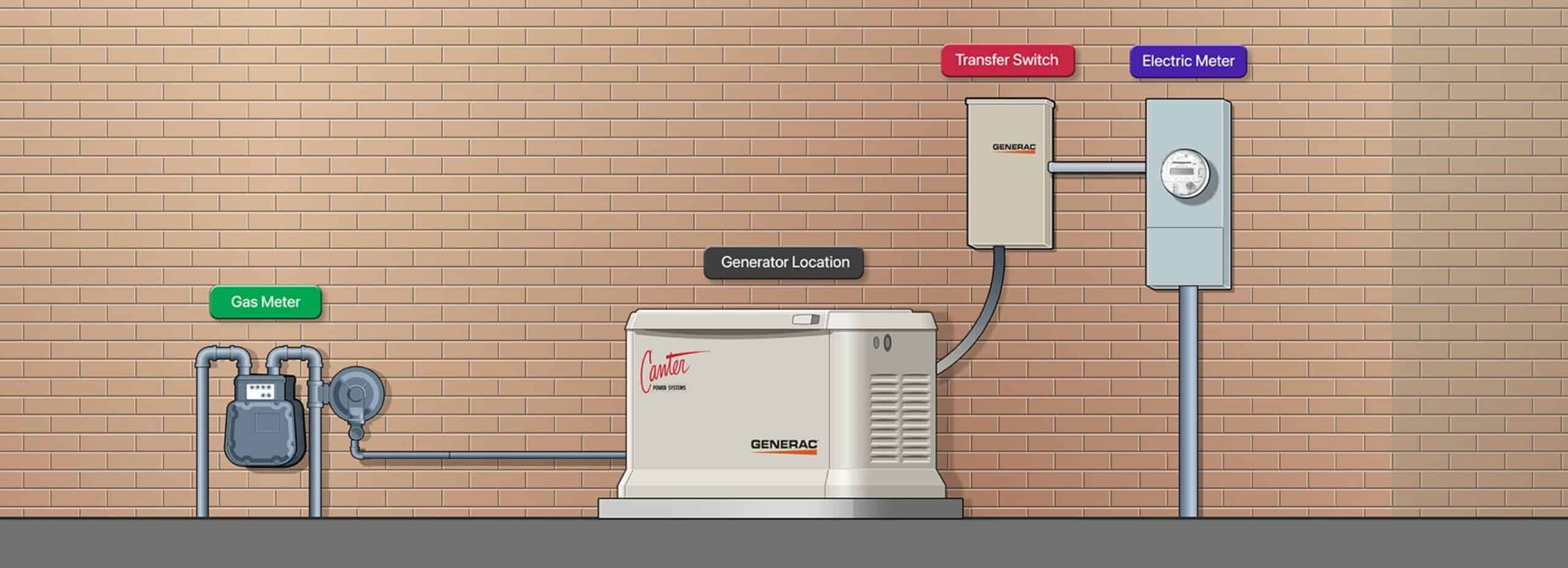
The transfer switchplays a key role. It moves the electrical load from the main power to the generator. This switch prevents damage by keeping both power sources separate. When the main power returns, the switch moves the load back safely.
Fuel Sources And Efficiency
Automatic standby generators use different fuel typesto run. Common fuels include natural gas, propane, and diesel. Each fuel has benefits and limits. Natural gas is easy to supply but may not work during outages. Propane stores well and lasts long. Diesel gives strong power but needs careful storage.
Fuel storage affects how long a generator runs. Natural gas connects to pipelines, so no storage tank is needed. Propane and diesel require tanks that must be checked and refilled. Proper storage keeps fuel clean and ready.
| Fuel Type | Storage | Pros | Cons |
|---|---|---|---|
| Natural Gas | Pipeline | Continuous supply, low cost | May stop if pipelines fail |
| Propane | Tank | Long shelf life, portable | Needs regular refilling |
| Diesel | Tank | High power, reliable | Requires careful storage |
Energy efficiency depends on fuel type and generator design. Newer models use less fuel and emit fewer gases. Regular maintenance keeps generators running well. Choosing the right fuel and size saves money and fuel.

Credit: www.haleyesgenerators.com
Generator Operation And Power Delivery
An automatic standby generator starts its enginewhen power fails. The engineruns on fuel like natural gas or propane. It turns the alternator, which creates electricity. This electricity is sent to the home or building to keep things running.
Voltage regulationkeeps the power steady. It stops voltage from going too high or too low. This protects your devices from damage and ensures smooth operation.
Load managementcontrols how much power the generator uses. It balances the energy so the generator does not get overloaded. This helps the generator run longer and more efficiently.
Safety Features And Maintenance
Safety mechanismsin automatic standby generators protect both users and devices. They include automatic shutoffduring fuel leaks or overheating. Circuit breakers stop power surges. Many models have battery backupto keep controls active during outages. Sensors monitor oil, temperature, and voltage to avoid damage or fire risks. These features ensure reliable and safe operation.
Routine maintenancekeeps generators running smoothly and extends lifespan. Regular tasks include:
- Checking and changing the oil every 6 months or 100 hours
- Replacing air and fuel filters as recommended
- Testing the battery and charging system
- Cleaning the generator and removing debris
- Running the generator monthly for 10-15 minutes
Troubleshooting common issuesoften involves simple checks. If the generator won’t start, check fuel levels and battery charge. If power output is low, inspect air filters and spark plugs. Strange noises or smells can mean mechanical problems or fuel leaks. Regular inspections help spot issues early.
Installation And Sizing Considerations
Choosing the right sizefor a standby generator is key. It must handle your home’s essential power needs during outages. Consider your total wattagefor appliances and systems you want to keep running.
Site preparationinvolves selecting a flat, stable spot outside. The area should be clear of debris and away from windows or vents. Proper clearance helps with safety and airflow.
Professional installationensures the generator works safely and efficiently. Experts connect the generator to your home’s electrical system. They also test the setup to confirm proper operation and compliance with local codes.
Benefits And Limitations
Automatic standby generatorsprovide power without manual help. They start quickly during power cuts. This keeps your home or business running smoothly. These generators turn on automaticallywithin seconds of an outage. They are reliable and reduce stress during emergencies.
- Constant power supplyensures no interruption.
- They work quietlycompared to portable generators.
- Easy to usewith automatic start and stop.
- Can be set to run on natural gas or propane.
- Require less maintenance than portable models.
Drawbacks include higher initial costand installation needs. They need space and professional setup. Some models can be noisy if not well maintained. Fuel supply issues may occur during long outages. Regular checks are necessary to keep them ready.
| Aspect | Cost | Value |
|---|---|---|
| Initial Price | Higher than portable generators | Good for long-term use |
| Installation | Needs professional help | Provides automatic power backup |
| Maintenance | Regular checks required | Ensures reliability during outages |

Credit: www.duthiepower.com
Credit: canterpowersystems.com
Frequently Asked Questions
What Triggers An Automatic Standby Generator To Start?
An automatic standby generator starts when it detects a power outage. It uses sensors to monitor electricity flow. Once the main power fails, the generator automatically kicks in within seconds, ensuring continuous power supply without manual intervention.
How Does An Automatic Standby Generator Connect To Home Power?
The generator connects through an automatic transfer switch (ATS). The ATS detects power loss and switches the electrical load to the generator. When utility power returns, it switches back, providing seamless power transition and protecting home appliances.
What Fuels Power Automatic Standby Generators?
Most automatic standby generators use natural gas or propane as fuel. These fuels are reliable and provide consistent energy. Some models may also run on diesel. Fuel choice depends on availability, cost, and generator size.
How Often Should Automatic Standby Generators Be Maintained?
Regular maintenance is crucial for reliable operation. It’s recommended to service your generator annually. Maintenance includes checking fuel levels, battery health, and oil changes. Proper upkeep ensures the generator runs efficiently during outages.
Conclusion
Automatic standby generators start quickly during power outages. They supply electricity without any effort from you. These generators keep your home safe and comfortable. They work by sensing power loss and turning on. Maintenance is simple and keeps the system reliable.
Choosing the right generator ensures constant power when needed. Understanding how they work helps you feel confident. This knowledge guides smart decisions for home backup power. Automatic standby generators offer peace of mind every time. Ready power, always there.