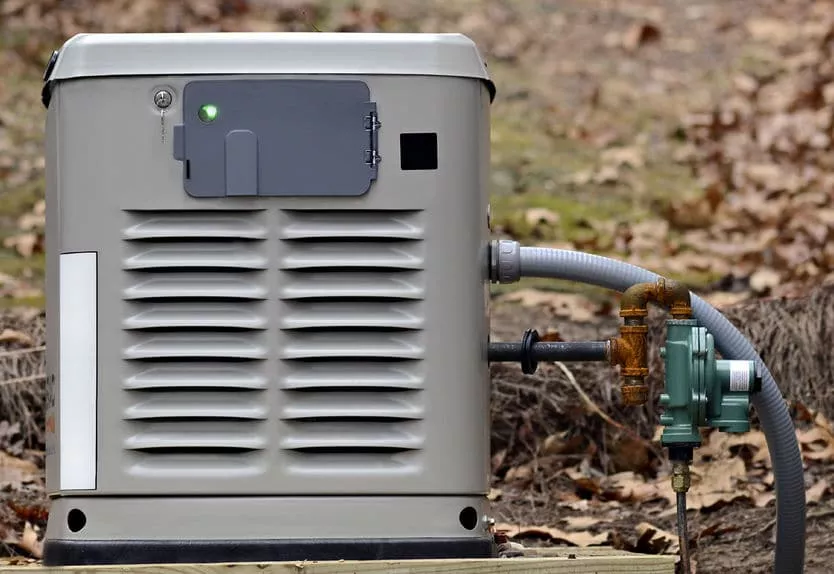
Imagine a stormy night, the power goes out, and suddenly, your home is enveloped in darkness. But what if you had a reliable backup ready to spring into action?
That’s where home standby generators come in. These powerful machines can keep your lights on, your fridge running, and your home comfortable, no matter the weather outside. But how exactly do they work? Understanding this can not only give you peace of mind but also empower you to make informed decisions about your home energy needs.
We’ll delve into the mechanics of home standby generators, revealing the secrets behind their seamless operation. Stay with us to discover how these generators can transform your home into a sanctuary of uninterrupted power.
Credit: columbusenergies.com
Home Standby Generators Basics
A standby generatoris a device that provides power automatically. It turns on when the main power goes out. These generators keep your home running during blackouts. They connect directly to your home’s electrical system.
Types of home generatorsinclude:
- Portable generators:Small, can be moved, but need manual start.
- Standby generators:Large, fixed in place, start automatically.
- Inverter generators:Quiet and fuel-efficient, but less powerful.
| Key Component | Description |
|---|---|
| Engine | Runs on gas, propane, or diesel to create power. |
| Alternator | Converts engine energy into electricity. |
| Transfer Switch | Switches power from the grid to the generator safely. |
| Control Panel | Monitors generator status and starts or stops it. |
Power Activation Process
The automatic transfer switchdetects power outages quickly. It moves the home’s electrical load from the main power to the generator. This switch ensures power flows safely and without delay. It also stops power from going back into the grid, protecting workers.
The generator needs a reliable fuel sourceto run. Common fuels include natural gas, propane, or diesel. A steady supply keeps the generator ready to start anytime. Fuel tanks are often placed outside for safety and easy refilling.
Once power goes out, the generator starts automatically. The engine runs and produces electricity within seconds. The transfer switch then sends power to the home’s circuits. When the main power returns, the switch shifts back and the generator shuts off.
Energy Conversion And Output
Home standby generators use fuellike natural gas or propane to create power. The fuel goes into an enginethat turns a generator. This generator changes the engine’s motion into electricity. This process is called energy conversion.
The generator keeps the voltagesteady. This is called voltage regulation. It makes sure the power is safe for home devices. Without this, electronics could get damaged.
| Step | Description |
|---|---|
| Fuel Input | Fuel enters the engine to start power generation. |
| Energy Conversion | Engine converts fuel into mechanical energy. |
| Electricity Generation | Generator changes mechanical energy into electricity. |
| Voltage Regulation | Voltage stays steady for safe use at home. |
| Power Delivery | Electricity flows from the generator to home circuits. |
Installation And Placement
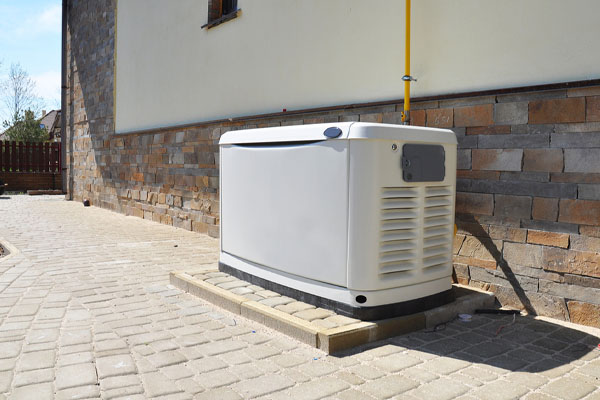
Choosing the right location for a home standby generator is key. It should be outside, away from windows and doors to avoid harmful fumes entering the house. The spot must be flat and solid, like concrete, to keep the generator steady and safe.
Connection to the home electrical system must be done by a professional. A transfer switch is used to safely switch power from the grid to the generator. This switch prevents electricity from flowing back into power lines, protecting workers and appliances.
| Safety Considerations | Details |
|---|---|
| Ventilation | Place generator where exhaust can escape freely |
| Distance from Home | At least 5 feet away from walls or doors |
| Noise Level | Choose a spot that reduces sound disturbance |
| Fuel Storage | Store fuel safely and away from heat sources |
Maintenance And Testing
Regular routine checkskeep the generator ready. Check the oil level and coolant often. Look for leaks or loose parts. Clean any dust or debris around the unit. Test the battery to ensure it holds a charge. Make sure the fuel supply is fresh and enough.
Common issuesinclude failure to start, low fuel, and oil problems. Troubleshooting often starts with simple steps. Check the fuel valve and oil level. Listen for strange sounds during operation. Clean or replace air filters if clogged. Reset the system if it shuts down unexpectedly.
Schedule professional serviceyearly for deep checks. Experts test the engine, electrical parts, and control systems. They can spot hidden problems early. This service helps keep the generator working well for years. Always follow the manufacturer’s advice for service intervals.

Credit: www.cummins.com
Benefits Of Home Standby Generators
Home standby generatorsprovide an uninterrupted power supply. They switch on automatically during power outages. This keeps lights, appliances, and heating systems working without delay. No manual effort is needed.
These generators also increase home safety. Security systems and smoke detectors stay active at all times. This helps protect families and property during emergencies.
Value addition to propertyis another benefit. Homes with standby generators attract more buyers. They offer peace of mind and convenience, making properties more appealing.
Cost Factors And Considerations
The initial investmentfor a home standby generator includes the cost of the unit and installation. Prices vary depending on generator size and features. Installation may require professional help to connect to your home’s electrical system.
Fuel expensesdepend on the type of fuel used, such as natural gas, propane, or diesel. Natural gas is often cheaper and easier to maintain. Propane and diesel might cost more but are good backup options.
Long-term savingscome from avoiding power outages and protecting home appliances. A standby generator can prevent food spoilage and costly repairs. Over time, these savings may balance the initial and fuel costs.

Credit: lghomecomfort.ca
Frequently Asked Questions
What Powers A Home Standby Generator?
A home standby generator usually runs on natural gas or propane. It automatically starts during a power outage. This ensures continuous electricity for your home without manual intervention.
How Does A Home Standby Generator Detect Outages?
The generator uses an automatic transfer switch (ATS). ATS monitors your main power supply. When it detects an outage, it signals the generator to start immediately.
How Long Can A Home Standby Generator Run?
Home standby generators can run for hours or days. Their runtime depends on fuel supply and generator size. With natural gas, they can run indefinitely if gas supply remains uninterrupted.
Is A Home Standby Generator Noisy?
Modern home standby generators are designed to be quiet. They use soundproof enclosures to reduce noise. Typical noise levels are similar to a running air conditioner.
Conclusion
Home standby generators keep your power on during outages. They start automatically when electricity fails. Fuel sources like natural gas or propane keep them running. These generators connect directly to your home’s electrical system. They offer safety, comfort, and convenience in emergencies.
Choosing the right generator depends on your home’s size and needs. Understanding how they work helps you make smart decisions. Reliable power is possible, even when the grid goes down. Stay prepared and avoid disruption with a standby generator.