
Ever found yourself in the middle of a blackout, wishing your home standby generator would kick in and save the day? You’re not alone.
Having a generator is like owning a superhero for your home, always ready to leap into action when the lights go out. But even superheroes need their power source, and for your generator, that power comes from fuel. Understanding how to properly fuel your standby generator is crucial to keeping your home’s safety net intact.
In this guide, you’ll discover the straightforward steps to ensure your generator is always ready to spring into action. Stick around to learn how to keep your lights, and peace of mind, on when you need them the most.
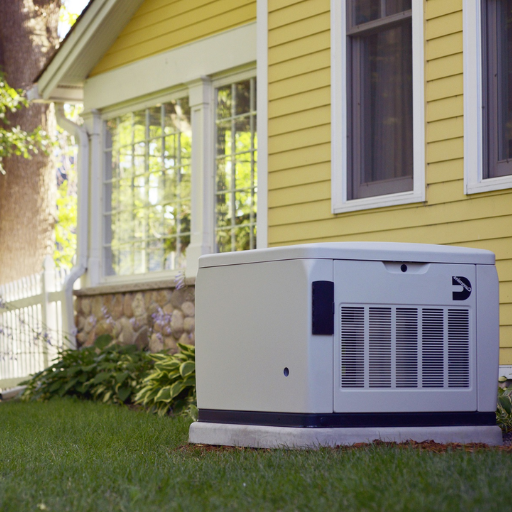
Types Of Fuel For Generators
Gasolineis easy to find and works well for small generators. It stores energy but can go bad in a few months. Use fresh gasoline and store it safely in a cool place.
Propanelasts longer than gasoline and burns cleaner. It comes in tanks and is good for home use. Propane tanks need regular checks to avoid leaks.
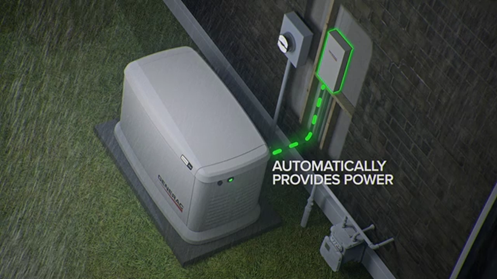
Natural Gasflows through pipes directly to the generator. It is a steady fuel source and does not need refilling. This option is great for long-term power needs.
Dieselis strong and good for big generators. It stores well and lasts longer than gasoline. Diesel engines need regular maintenance to keep working well.
Credit: shgeneratorset.com
Preparing Your Generator For Fueling
Before fueling, ensure the generator is turned off and cooled down. Always work in a well-ventilated area. Wear gloves and safety goggles to protect yourself. Avoid smoking or open flames near the fuel. Keep a fire extinguisher nearby in case of emergencies.
Check the fuel gauge or tank level to see how much fuel is left. This helps avoid overfilling or running out during use.
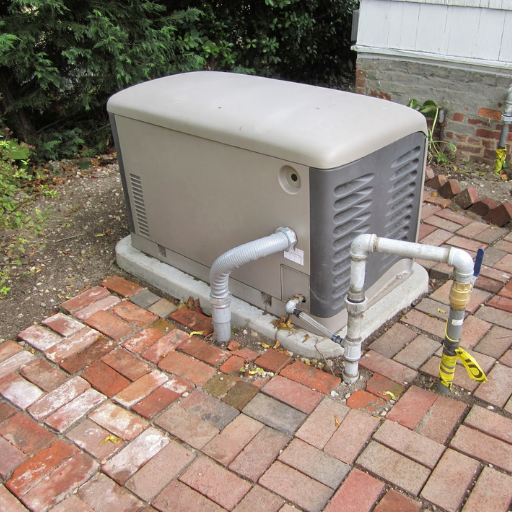
Look over the fuel lines for cracks, leaks, or loose connections. Damaged lines can cause fuel leaks and are dangerous. Replace or fix any issues before fueling.
Step-by-step Fueling Process
Turn off the generator to ensure safety during fueling. Make sure it is completely stopped before touching the fuel tank. Avoid any sparks or flames nearby to prevent accidents.
Locate the fuel tank access point. It is usually on the side or top of the generator. Remove the cap carefully to avoid spilling fuel. Check the tank for any dirt or debris before filling.
- Use a clean fuel container made for the generator’s fuel type.
- Fill the tank slowly to avoid overflow.
- Do not fill the tank past the recommended level.
- Wipe any spilled fuel immediately.
- Replace the fuel cap tightly after filling.
Credit: www.generac.com
Maintaining Fuel Quality
Using fuel stabilizers helps keep gasoline fresh for a longer time. It prevents the fuel from breaking down and clogging the generator. Always add the stabilizer to fresh fuel before storing it.
Store fuel in a cool, dry place away from direct sunlight. Use approved containers to avoid leaks and spills. Keep fuel containers tightly sealed to stop moisture and air from entering.
| Fuel Type | Recommended Replacement Time |
|---|---|
| Gasoline | Every 3 to 6 months |
| Diesel | Every 6 to 12 months |
| Propane | Indefinite if stored properly |
Troubleshooting Fuel Issues
Fuel contaminationoften causes generator problems. Water, dirt, and debris can clog the fuel system. Check the fuel tank and lines for any visible signs of contamination. A bad smell or cloudy fuel may indicate contamination. Drain the old fuel and replace it with fresh, clean fuel.
Fuel delivery problemscan stop your generator from running. Check the fuel filter for blockages. Clean or replace the filter if it looks dirty. Ensure the fuel valve is open and the fuel lines are not kinked or cracked. Tighten any loose connections to avoid leaks.
It is best to call a technicianwhen:
- The generator still does not start after fuel checks.
- Fuel leaks are present and cannot be fixed easily.
- Unusual noises or smells come from the fuel system.
- Electrical parts related to fuel delivery need inspection.
Credit: shgeneratorset.com
Tips For Long-term Reliability
Regular maintenancekeeps your generator ready for any power outage. Check the oil, air filter, and spark plugs as per the manual. Run the generator monthly for about 15 minutes to keep it in good shape.
Monitoring fueluse helps avoid surprises during an outage. Keep a log of how much fuel your generator uses each time. This helps you estimate how much fuel to keep on hand.
Have backup fuel optionsfor emergencies. Propane and natural gas can last longer than gasoline. Store fuel safely in approved containers and away from direct sunlight or heat.
Frequently Asked Questions
How Do I Safely Connect Fuel To A Standby Generator?
To safely connect fuel, turn off the generator first. Use approved fuel lines and fittings. Avoid leaks and keep fuel away from heat sources. Always follow manufacturer guidelines for your specific generator model.
What Types Of Fuel Can Home Standby Generators Use?
Home standby generators commonly use natural gas, propane, or diesel. Natural gas and propane are clean-burning and convenient. Diesel offers longer storage but requires careful handling and maintenance.
How Often Should I Refuel My Standby Generator?
Refuel your generator when fuel levels are low or before long outages. Regular checks ensure readiness during power loss. Follow manufacturer recommendations for fuel storage and rotation to maintain fuel quality.
Can I Use Gasoline For My Home Standby Generator?
Gasoline is generally not recommended for standby generators due to storage and safety issues. Use fuels specified by the manufacturer, typically natural gas or propane, for optimal performance and safety.
Conclusion
Fueling a home standby generator is simple with the right steps. Always check fuel type and keep enough supply. Store fuel safely to avoid accidents or damage. Regularly inspect your generator for leaks or issues. Proper fueling ensures your generator runs when needed.
Stay prepared for power outages with good fuel care. Your generator will serve you well during emergencies. A little effort now saves big trouble later.