Choosing the right size standby generator for your home or business can feel like navigating a maze. You want to ensure that when the lights go out, your world doesn’t come to a standstill.
Imagine the peace of mind you’ll have knowing that your essential appliances and devices will keep running smoothly, no matter what happens outside. But how do you figure out the perfect size that caters to your needs without overspending or underestimating?
In this guide, you’ll discover simple, actionable steps to determine the right generator size for your unique situation. Keep reading to unlock the secrets to a worry-free backup power solution tailored just for you.
Assessing Power Needs
Make a list of essential appliancesto power during an outage. Include items like the refrigerator, lights, heater, and medical devices. Focus on what you cannot live without for a short time.
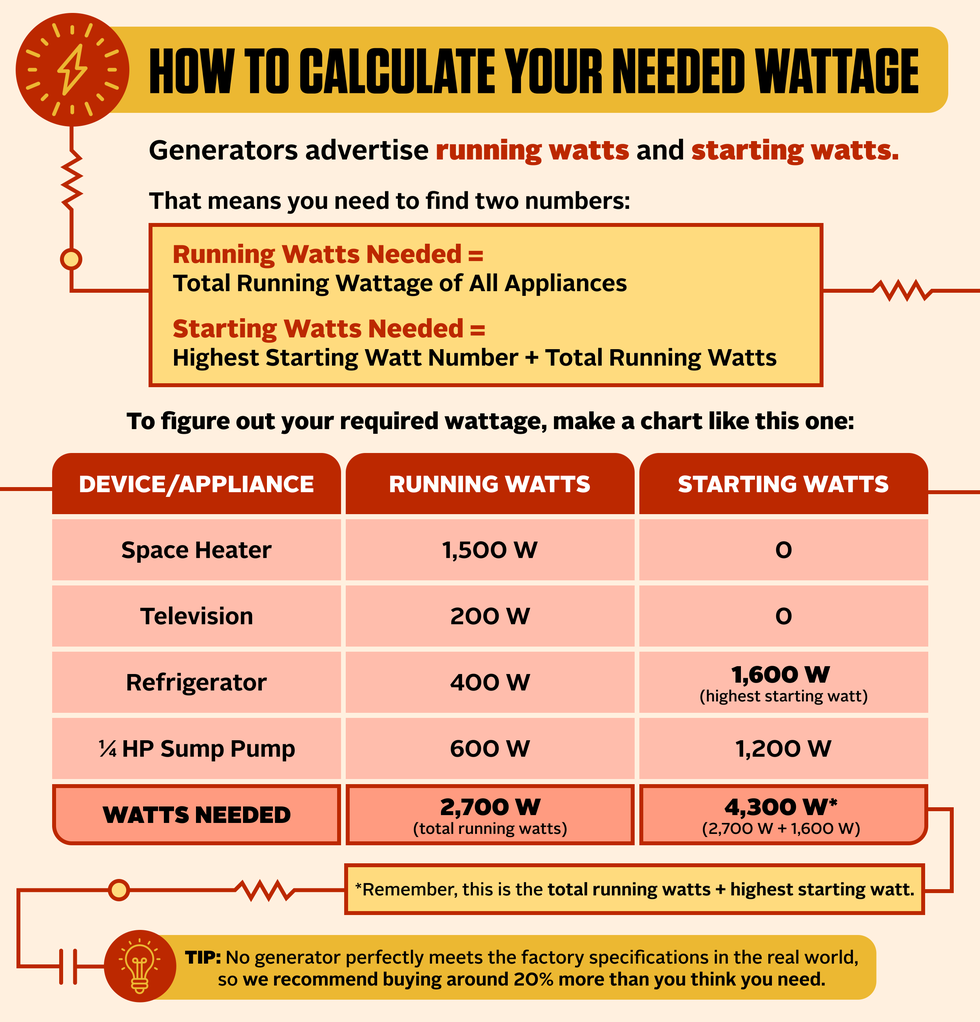
Calculate the total wattageof these appliances. Check each device’s label for watts or amps. Use the formula: Watts = Volts × Amps if watts are not listed.
Remember that some appliances need more power when they start. This is called starting watts. Running watts are usually lower. Your generator must handle the highest starting watts.
| Appliance | Starting Watts | Running Watts |
|---|---|---|
| Refrigerator | 1200 | 700 |
| Well Pump | 2200 | 1100 |
| Lights (10 bulbs) | 100 | 100 |

Credit: nomicpower.com
Types Of Generators
Portable generatorsare small and easy to move. They run on gas and work well for short power outages. They need to be started by hand and cannot power whole homes safely.
Standby generatorsare larger and stay outside your home. They run on natural gas or propane and turn on automatically during power cuts. They provide power to the entire house without any work from you.
| Fuel Type | Common Uses | Pros | Cons |
|---|---|---|---|
| Gasoline | Portable generators | Easy to find and store | Short shelf life, less clean burning |
| Natural Gas | Standby generators | Continuous fuel supply, cleaner burning | Needs gas line connection |
| Propane | Standby and some portable | Long shelf life, clean burning | Requires tank storage |
An Automatic Transfer Switch (ATS)connects the generator to your home’s electrical system. It senses power loss and starts the generator fast. It switches power safely between utility and generator, so you do not have to do it.
Sizing Your Generator
Determine the total wattage of all devices to power during an outage. This is the generator capacity. Include big appliances like refrigerators, heaters, and lights. Use a list or chart to add up watts easily.
Think about future needs. Plan for extra devices you might add later. A generator that is too small won’t handle new equipment well. Choose a size that allows some growth.
Check the manufacturer’s specscarefully. They show the maximum power the generator can produce. Look for starting and running watt ratings. This helps you match your load with the right model.

Credit: www.hecomfortservices.com
Installation Factors
Choosing the right locationfor your standby generator is key. It needs enough spaceto fit safely and allow airflow. The spot should be dry and away from windows or vents.
Local codesand permitsmust be checked before installation. These rules keep your home safe and legal. Contact your city or county office for details.
Hiring a professionalfor installation offers many benefits. Experts ensure the generator is set up correctly and safely. They handle wiring and follow all rules. This reduces risk and saves time.
Maintenance And Operation
Regular testing keeps your standby generator ready to run when needed. Run the generator for about 15 minutes every month. This helps check the oil, coolant, and battery condition. It also prevents fuel from getting stale. Testing avoids surprises during power outages.
Fuel storage needs care to keep the generator working well. Store fuel in a cool, dry place. Use fuel stabilizers to keep fuel fresh for longer. Check fuel levels often and refill before it runs low. Proper fuel management avoids damage and keeps the generator reliable.
| Common Issue | Possible Cause | Simple Fix |
|---|---|---|
| Generator won’t start | Dead battery | Charge or replace battery |
| Low power output | Clogged air filter | Clean or replace filter |
| Engine stalls | Old fuel | Drain fuel and refill |
| Excessive noise | Loose parts | Tighten bolts and screws |

Credit: www.micksgonebush.com.au
Cost Considerations
Initial investmentcovers the generator’s cost and installation fees. Bigger generators cost more but provide more power. Installation may need permits and professional help, adding to costs.
Operating costsinclude fuel, maintenance, and repairs. Fuel type affects expenses; propane and natural gas can be cheaper than gasoline. Regular service keeps the generator running well and avoids big repair bills.
Return on investmentdepends on power needs and outage frequency. A reliable generator can save money by preventing loss of food and damage during blackouts. Choosing the right size helps balance cost and benefits.
Frequently Asked Questions
What Factors Determine The Size Of A Standby Generator?
The size depends on your home’s total wattage needs during outages. Consider essential appliances, HVAC, and electronics. Calculate starting and running watts to choose a generator that handles peak loads efficiently.
How Do I Calculate My Home’s Wattage Requirements?
List all devices you’ll power during an outage. Add their wattage ratings, including starting watts for motors. This total helps identify the generator size needed to support your home safely.
Can A Generator Be Too Large For My Home?
Yes, an oversized generator wastes fuel and increases costs. It may also cause wear on appliances. Choose a generator matching your load to optimize efficiency and lifespan.
Should I Include Hvac Systems In Generator Sizing?
Including HVAC is essential if you want full comfort during outages. HVAC units consume significant power, so factor them in when calculating generator size for reliable operation.
Conclusion
Choosing the right standby generator size protects your home and family. Start by listing all devices you want to power during an outage. Add their wattages to find your total power need. Remember to consider starting watts for appliances with motors.
A generator too small may fail; too large wastes money and energy. Take time to plan carefully and ask experts if unsure. This helps keep your home safe and comfortable during blackouts. Simple steps lead to smart choices and peace of mind.