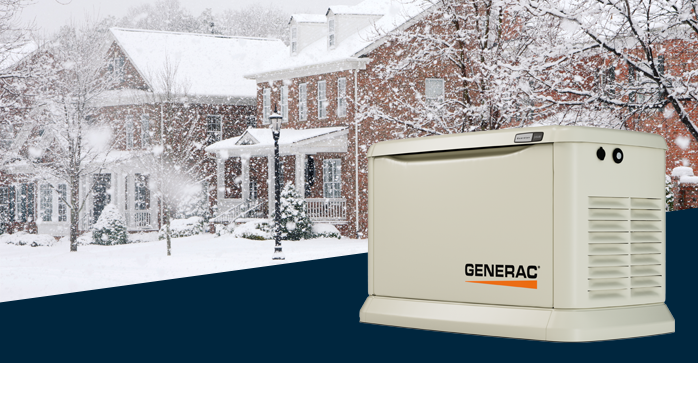
Imagine this: a heavy snowstorm hits your area, the power goes out, and you confidently rely on your standby generator to keep everything running smoothly. But wait—did you know that snow can actually damage your generator if it’s not properly protected?
That’s right, those fluffy white flakes can lead to costly repairs or even render your generator useless when you need it the most. You’re probably wondering, how do you keep your standby generator safe from snow? We’ll explore practical tips that will ensure your generator remains in top condition, ready to power your home through the harshest winter storms.
Don’t let a simple oversight leave you in the cold; keep reading to discover how to safeguard your investment and ensure uninterrupted power when it matters most.

Credit: www.ebay.com
Choosing The Right Location
Choose a location for your standby generator that is shielded from strong winds. This helps prevent snow from piling up around the unit. Avoid spots where snow drifts easily collect, such as near fences or tall walls. Place the generator on a slightly raised platform to keep it above snow level.
Ensure the area has good airflow. Proper ventilation stops the generator from overheating and allows exhaust gases to escape safely. Avoid placing the generator in enclosed spaces or near windows and doors.
- Keep a clear path to the generator for easy access during snow.
- Clear snow regularly to avoid blockage.
- Use gravel or mats to prevent slipping around the unit.
- Make sure snow removal equipment can reach the generator.
Using Protective Covers
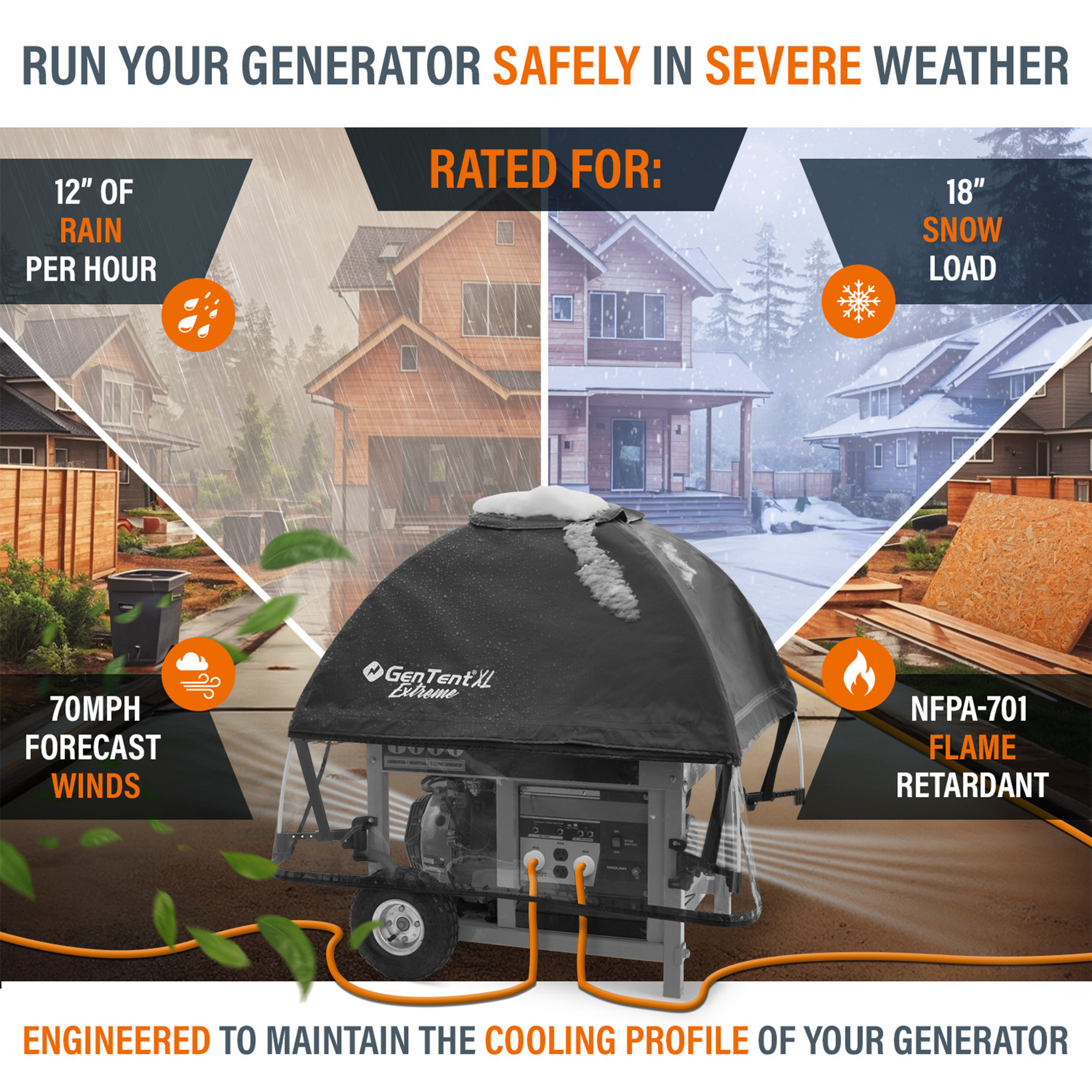
Protecting a standby generator from snow is important to keep it working well. Weatherproof covershelp stop snow and ice from damaging parts.
There are different types of covers:
- Hard coversmade from plastic or metal. They are strong and last long.
- Soft coversmade from fabric. They are easy to put on and take off.
- Custom coversmade to fit your generator exactly, giving full protection.
Benefits of weatherproof covers:
- Protect against moisturethat can cause rust or short circuits.
- Keep snow and ice offto avoid freezing damage.
- Extend generator lifeby reducing wear from weather.
Proper installation is key:
- Make sure the cover fits snugly but allows air flow.
- Secure the cover to stop it from blowing away in wind.
- Check the cover often for tears or damage and fix it quickly.
Regular Maintenance In Winter
Snow and ice can block your generator’s vents and exhaust. Clear snow carefully to keep airflow open. Use a soft brush or broom to remove buildup. Avoid sharp tools that can damage parts.
Fuel and oil are the heart of your generator. Check fuel levels often to avoid running out during cold days. Cold weather can thicken oil. Use winter-grade oil to keep the engine smooth and running.
| Battery Health Check | Why It Matters | Tips |
|---|---|---|
| Inspect battery terminals | Corrosion can stop power flow | Clean terminals with a wire brush |
| Test battery voltage | Low charge means no start | Use a multimeter for accurate reading |
| Keep battery warm | Cold drains battery faster | Store in insulated box if possible |
Elevating The Generator
Snow buildupcan block air vents and damage your generator. Elevating the generator helps keep it dry and clear. Raise it above the usual snow line to avoid being buried.
Use a sturdy platform made from wood or metal. Make sure it is strong enough to hold the generator’s weight. The platform should be stable to prevent tipping.
| Elevation Method | Benefits | Considerations |
|---|---|---|
| Wooden Platform | Easy to build and affordable | Needs weatherproof treatment |
| Metal Stand | Durable and long-lasting | Can get cold and slippery |
| Concrete Base | Very stable and strong | More expensive and permanent |
- Keep the area around the generator clear of snow.
- Check elevation height regularly during heavy snow.
- Ensure the platform has good drainage to avoid water buildup.
Installing Wind Barriers
Wind barriershelp protect your generator from snow and cold winds. Choose materialsthat block wind but allow air to flow. Good options include:
- Wooden panels
- Metal sheets
- Heavy-duty plastic tarps
- Windbreak fabric
Place the barriers on the side that faces the strongest winds. Avoid blocking the generator’s exhaust or airflow. Keep at least 3 feetaway from the unit for safety. Position barriers so snow drifts away from the generator, not onto it.
Credit: www.generatorfactoryoutlet.com
Monitoring Performance During Snowfall
Remote monitoring lets you check your generator’s status from anywhere. It sends alerts if snow blocks vents or causes low performance. Some devices connect to your phone or computer, making it easy to watch the generator.
Signs that snow causes problems include:
- Generator won’t start or stops running.
- Unusual noises or vibrations.
- Smoke or steam coming from the unit.
- Power output drops or fluctuates.
- Warning lights or error codes on display.
Checking these signs early helps avoid damage. Clear snow around the generator to keep it working well. Remote tools provide peace of mind during heavy snowfall.
Professional Inspection And Servicing
Scheduling a winter checkupensures your generator works well in cold months. Experts check fuel lines, oil, and batteries for any issues. They clean parts that snow or ice might affect. Regular maintenance helps catch problems early. This avoids breakdowns during power outages.
Expert maintenance has many benefits. It extends your generator’s lifeand keeps it reliable. Professionals use special tools and knowledge to keep parts in top shape. This saves money on costly repairs. A well-serviced generator starts easily even in harsh weather. It also runs more efficiently, saving fuel and reducing wear.

Credit: www.ebay.com
Frequently Asked Questions
How Can I Shield My Standby Generator From Snow Damage?
Use a weatherproof cover designed for generators. Ensure proper ventilation to prevent moisture buildup. Regularly clear snow around the unit to avoid blockage and damage.
What Maintenance Helps Protect Generators In Snowy Conditions?
Inspect fuel and oil levels frequently during winter. Clean air filters to maintain airflow. Remove snow and ice buildup to ensure efficient operation.
Should I Build A Shelter For My Standby Generator?
Yes, a shelter protects from snow, wind, and ice. It must allow airflow and easy access for maintenance. Avoid fully enclosing the generator to prevent overheating.
How Do I Prevent Moisture Buildup In My Generator?
Use a generator cover that allows ventilation. Store fuel in airtight containers to avoid condensation. Run the generator periodically to keep parts dry.
Conclusion
Protecting your standby generator from snow keeps it running smoothly. Clear snow away regularly and check the vents. Use a cover or shelter to block heavy snowfall. Keep the area dry and free from ice buildup. Regular maintenance helps spot problems early.
Taking these small steps saves time and money later. Your generator will be ready when you need power most. Simple care makes a big difference in harsh winter weather. Stay safe and keep your home powered through the snow.