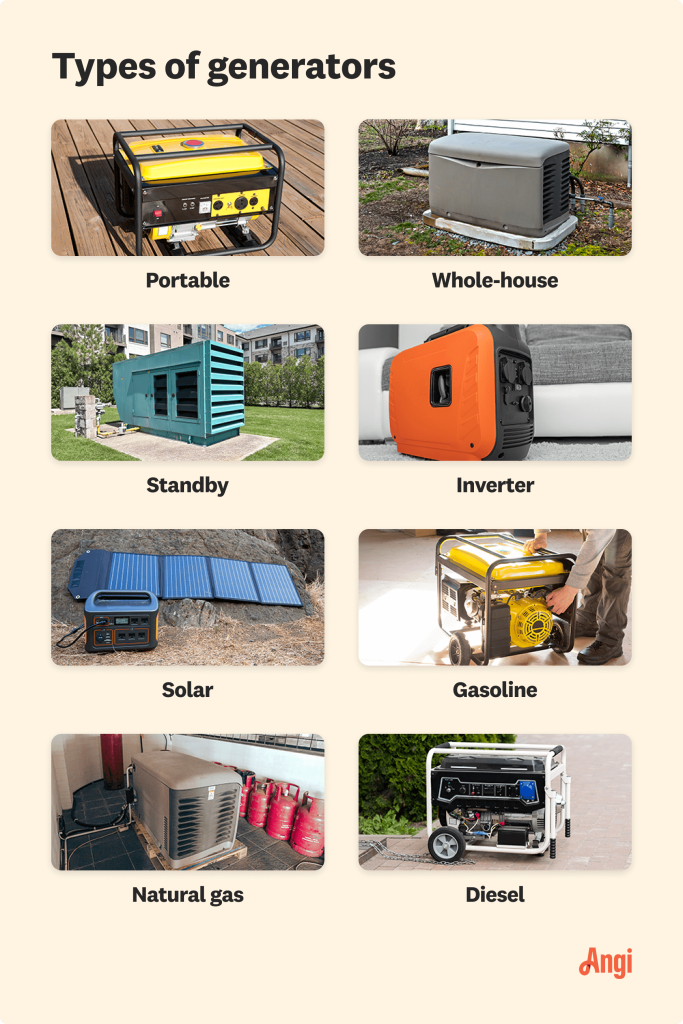
Have you ever experienced a power outage and found yourself wishing you had a backup plan? Imagine the lights going out, the fridge warming up, and your devices left uncharged.
It’s a stressful scenario, right? This is where residential standby generators come into play, acting as a safety net when the unexpected happens. But how do these technological marvels actually work? Understanding the inner workings of standby generators can give you peace of mind, knowing that your home can remain powered no matter what.
We’ll break it down for you in simple terms, so you can make informed decisions about your home’s power security. Stay with us as we unravel the mystery behind these essential home appliances, ensuring you never feel powerless again.
Credit: www.generac.com
Basics Of Standby Generators
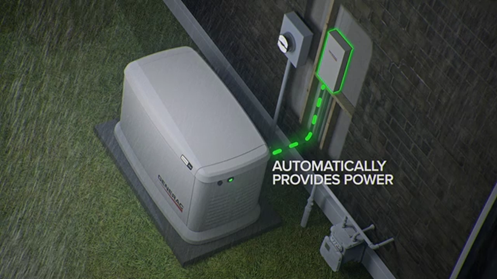
Standby generatorshelp homes keep power during outages. They start automatically when the main power goes out. These systems are made of several key parts. A generatorcreates electricity. An automatic transfer switchdetects power loss and switches the home’s power to the generator. A fuel supplypowers the generator, and a control panelmanages the system.
| Type of Fuel | Description | Pros | Cons |
|---|---|---|---|
| Natural Gas | Connected to home gas line | Unlimited fuel, clean burning | Needs gas line access |
| Propane | Stored in tanks outside | Portable, long shelf life | Tanks need refilling |
| Diesel | Stored in tanks | Powerful, reliable | Louder, needs fuel storage |
Standby generators work automatically. The transfer switch senses power loss. It starts the generator within seconds. Power flows to the home instantly. When main power returns, the switch stops the generator and restores normal power. This automatic operationkeeps homes safe and comfortable.
Power Detection And Activation
Residential standby generators have a sensor that detects power lossfrom the main utility line. This sensor constantly monitors electricity flow to the home. Once it senses the power outage, it sends a signal to start the generator.
The automatic start processhappens within seconds after detecting the outage. The generator’s engine turns on by itself without any help needed. It begins to produce electricity to power the home.
This system ensures the house stays powered during an outage. The switch automatically moves the power source from the utility to the generator. When regular power returns, the generator shuts down and waits for the next outage.
Power Generation And Delivery
The enginein a residential standby generator burns fuel to create mechanical energy. This energy powers the alternator, which changes mechanical energy into electrical energy. This process produces the electricity needed for your home.
Voltage regulationkeeps the electrical output steady. It stops power from going too high or too low, protecting your home devices from damage.
The transfer switchis the heart of the system. It senses when the main power goes out and switches your home’s electricity to the generator. When power comes back, it switches back to the main grid. This switch keeps the process smooth and automatic.

Credit: dustinsmechanical.com
Safety Features
Overload protectionstops the generator from running too hard. It prevents damage by shutting down power flow if the load is too high.
Carbon monoxide detectionkeeps the area safe. Sensors detect harmful gas and turn off the generator to avoid poisoning.
Regular maintenance alertsremind owners to check and service the generator. This helps keep it working well and avoids sudden failures.
Installation And Setup
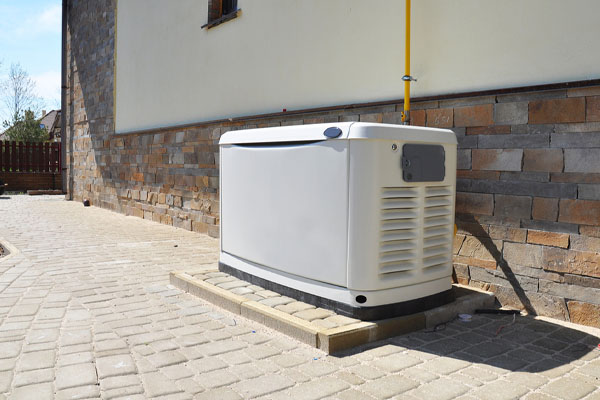
Choosing the right siteis key for a standby generator. It must be near the house, on flat ground, and clear of obstructions. The area should allow easy access for maintenance and fuel delivery. Local rules often limit noise and exhaust direction.
Permits are usually needed before installation. These ensure the generator meets local safety codes. Following building codes helps avoid fines and hazards. A permit might involve inspections during and after setup.
Professional installation is highly recommended. Experts know how to connect the generator safely to your home’s electrical system. They handle permits, codes, and ensure proper wiring. This reduces risks and guarantees the generator works when needed.
Credit: columbusenergies.com
Maintenance And Testing
Routine checks keep the generator ready to work anytime. Check oil levels and coolant regularly. Look for leaks or worn parts. Clean air filters often to avoid clogs. Tighten loose bolts and wires to stop failures.
Fuel management is key. Store fuel safely in approved containers. Use fresh fuel to avoid engine problems. Add fuel stabilizers to keep fuel fresh longer. Check fuel lines for cracks or blockages.
Load testing shows if the generator handles power needs. Run the generator under real load conditions. This helps find weak points before a blackout. Test monthly or as the manual suggests. Always follow safety rules during tests.
Benefits Of Residential Standby Generators
Continuous power supplyensures your home stays lit during outages. The generator starts automatically within seconds of a power cut. This keeps your lights, appliances, and heating running without interruption.
Home safety and comfortimprove significantly. Security systems stay active, and medical devices keep working. The house stays warm or cool, preventing discomfort or damage from extreme weather.
Increased property valueis another benefit. Homes with standby generators are more attractive to buyers. They offer peace of mind and reliable power, which many people find valuable.
Frequently Asked Questions
How Does A Residential Standby Generator Activate?
A standby generator activates automatically during a power outage. It senses the loss of electricity and starts within seconds, supplying backup power to your home without manual intervention.
What Fuels Are Used For Residential Standby Generators?
Residential standby generators commonly use natural gas, propane, or diesel. Natural gas and propane are popular for their clean burning and continuous supply options, while diesel offers high energy density but requires fuel storage.
How Long Can A Standby Generator Run Continuously?
Standby generators can run continuously as long as they have fuel. Natural gas and propane generators can operate indefinitely if fuel supply is uninterrupted. Diesel generators need periodic refueling depending on tank size.
Are Residential Standby Generators Noisy During Operation?
Modern residential standby generators are designed to operate quietly. They use soundproof enclosures and mufflers, minimizing noise levels to avoid disturbing homeowners and neighbors during power outages.
Conclusion
Residential standby generators provide reliable power during outages. They turn on automatically when electricity fails. This keeps your home running smoothly and safely. These generators use fuel like natural gas or propane. They work quietly in the background, so you barely notice them.
Understanding how they function helps you choose the right one. A standby generator offers peace of mind and comfort. It protects your home from unexpected blackouts. Simple, dependable, and always ready to help.