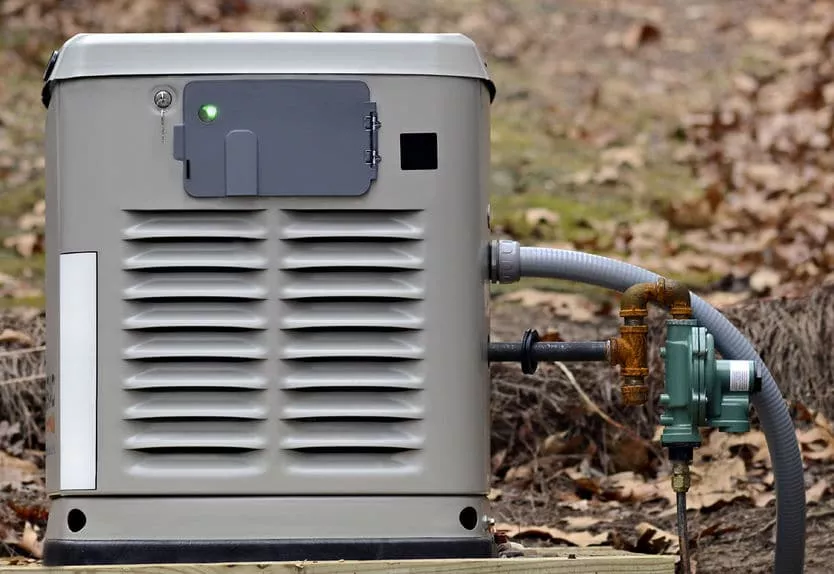
Have you ever wondered what keeps your home powered during a blackout? Standby generators do the heavy lifting, quietly stepping in to keep your lights on and your appliances running.
Understanding how standby generators work can give you peace of mind and help you make smart choices for your home’s safety. You’ll discover exactly how these machines kick into action the moment power goes out—and why they might be the perfect backup solution for you.
Keep reading to find out how to protect your home and stay powered no matter what.
Basics Of Standby Generators
A standby generatoris a device that provides power during an outage. It starts automatically when the main power goes out. It helps keep homes and businesses running smoothly without interruption.
Key components include:
- Engine:The main part that generates power.
- Alternator:Converts mechanical energy to electrical energy.
- Transfer switch:Switches power from the utility to the generator.
- Fuel system:Supplies fuel to the engine.
- Control panel:Manages operation and monitoring.
Common fuels used:
| Fuel Type | Details |
|---|---|
| Natural Gas | Clean burning, connected to home gas lines. |
| Propane | Stored in tanks, reliable and easy to store. |
| Diesel | Powerful, used for larger generators. |
Credit: solarsme.com
How Standby Generators Activate
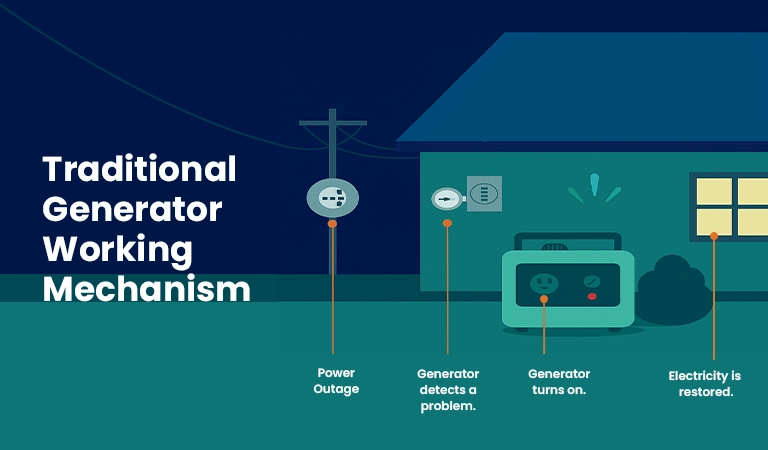
Standby generatorsdetect a power outage instantly. A sensor watches the main power supplyand notices when electricity stops flowing. This is called power outage detection. The sensor sends a signal to start the generator.
The automatic start processbegins as soon as the signal is received. The generator’s engine turns on without any human action. It runs on fuel like gas or propane to make electricity quickly. This ensures no long wait during blackouts.
The transfer switchplays a key role. It safely moves the electric load from the main power line to the generator. This switch stops electricity from going back into the grid. When power returns, the switch shifts back to normal supply and turns off the generator.
Power Generation Process
Engine operationis the first part of how standby generators work. The engine uses fuel like gasoline, diesel, or propane to start running. It turns a crankshaft that spins the generator’s rotor. This motion creates mechanical energy.
Electricity productionhappens when the rotor moves inside the stator. The stator has coils of wire that electricity flows through. The movement of the rotor makes electrons move, which creates electric current. This current can power your home or business during an outage.
Voltage regulationkeeps the power steady. A device called an automatic voltage regulator (AVR) adjusts the output voltage. It stops voltage from getting too high or too low. This protects your appliances from damage and ensures smooth operation.
Installation And Setup
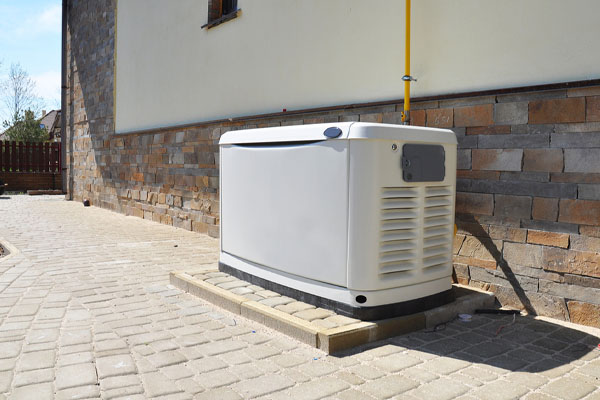
Choosing the right locationis key for standby generator setup. The site must be dryand well-ventilated. Keep it away from windows, doors, and vents to avoid exhaust fumes entering your home.
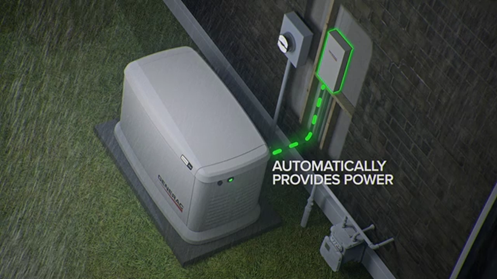
Connection to the home electrical system is done through an automatic transfer switch. This switch detects power loss and shifts electricityfrom the grid to the generator. It ensures a smooth, safe power transfer.
- Turn off the main power before installation.
- Use a licensed electrician for all wiring.
- Ground the generator properly to prevent shocks.
- Follow local codes and manufacturer instructions.
Safety measures include installing carbon monoxide detectors near the generator. Regular maintenance checks keep the system reliable. Never operate the generator indoors or in enclosed spaces.
Maintenance And Testing
Routine checks keep your standby generatorready for use. Look at the oil level and fuel supply often. Check the battery charge to avoid startup issues. Clean the air filter to help the engine breathe well. Tighten any loose bolts or connections.
Common issues include fuel problems, battery failure, and clogged filters. Overheatingcan happen if the cooling system is dirty. Low oil levels cause engine damage. Strange noises or failure to start signals a need for service.
Test runs ensure the generator works when needed. Run the generator for about 20 minutes every month. This helps circulate oil and fuel. Listen for unusual sounds during the test. Check the power output to confirm it matches your needs.
Benefits Of Standby Generators
Standby generatorsprovide a continuous power supplyduring outages. They start automaticallywithin seconds of power loss. This means no need to plug in or start the generator manually. Homes and businesses stay powered without interruption. This keeps lights, appliances, and heating or cooling systems running smoothly.
They add convenience and safetyby removing the need for extension cords and fuel handling. No worries about carbon monoxide from portable generators. They operate safely outside and connect directly to your home’s electrical system. This reduces risks and keeps families safe.
| Cost Considerations | Details |
|---|---|
| Initial Investment | Standby generators cost more upfront than portable ones. |
| Installation | Professional installation is needed, adding to the cost. |
| Fuel | Uses natural gas or propane, which can be cost-efficient. |
| Maintenance | Requires regular checks but less work than portable generators. |
Choosing The Right Generator
Choosing the right generator means matching it to your power needs. A generator too small won’t run all your devices. Too large wastes fuel and costs more. Check the wattageof important appliances to find the right size.
| Fuel Type | Pros | Cons |
|---|---|---|
| Natural Gas | Clean, unlimited supply if connected to gas line | Needs gas line, may not work in outages affecting gas |
| Propane | Portable, stores well, burns clean | Needs refilling, takes space for tank |
| Diesel | Strong power output, good for large loads | Loud, smoky, fuel can degrade |
- Professional installationensures safety and correct setup.
- Experts handle permits and connect properly to your home.
- DIY installationmight save money but risks safety and errors.
- Improper setup can cause damage or void warranties.
Credit: www.generac.com
Credit: columbusenergies.com
Frequently Asked Questions
How Do Standby Generators Start Automatically?
Standby generators use an automatic transfer switch. It detects power outages and signals the generator to start quickly. This ensures seamless power supply without manual intervention.
What Fuel Types Power Standby Generators?
Standby generators commonly use natural gas, propane, or diesel. These fuels provide reliable, continuous energy during outages. Fuel choice depends on availability and installation needs.
How Long Can A Standby Generator Run Continuously?
Most standby generators can run for several hours to days. Runtime depends on fuel capacity and load demand. Regular maintenance ensures optimal performance during extended use.
Are Standby Generators Safe For Home Use?
Yes, standby generators are safe when properly installed. They have built-in safety features like automatic shutoff and voltage regulation. Professional installation and regular checks are essential for safety.
Conclusion
Standby generators are crucial for uninterrupted power. They start automatically during outages. This ensures your home remains powered. Generators work using an engine and alternator. The engine fuels the process. The alternator converts mechanical energy into electricity. Regular maintenance keeps them efficient.
This includes checking fuel levels and battery health. Selecting the right generator is important. Consider your power needs and budget. This helps in making a wise decision. Standby generators provide peace of mind. They offer a reliable solution during power failures.
Investing in one can keep your home safe and comfortable.