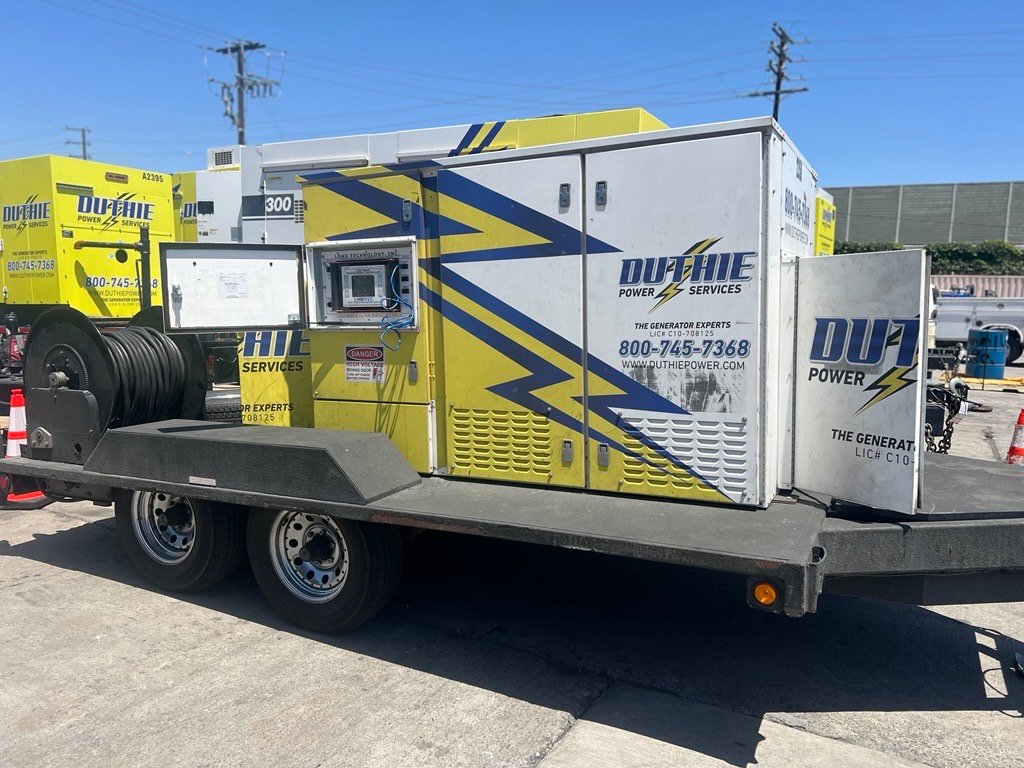
Picture this: a storm hits, and your power goes out. But you’re not worried.
Why? Because you have a standby generator ready to kick in and keep your lights on. But how do you know if your generator is up to the task? That’s where load testing comes in. Understanding how to load test a standby generator is crucial in ensuring it will perform when you need it most.
You want peace of mind, right? In this guide, we’ll walk you through the steps to effectively load test your generator, ensuring that when the storm clouds gather, you’re prepared. Ready to dive in and learn how to keep your home powered and your mind at ease? Let’s get started!
Preparing For Load Testing
Safetyis key before testing a standby generator. Wear protective gear like gloves and goggles. Keep the area clear of flammable materials and avoid wet surfaces. Make sure all tools and equipment are in good condition to prevent accidents.
Gathering the right equipment helps the test run smoothly. You will need a load bank to simulate the electrical load. Also, have a multimeter, fuel, and a communication device ready. Check that your generator has enough fuel and oil for the test.
Review the manufacturer’s guidelinescarefully. They tell you how to run the test safely. Follow all instructions about load limits and timing. This helps avoid damage and keeps the generator working well.
Initial Inspection
Check the fuel levelsto ensure the generator will run during tests. Low fuel can cause failureor damage. Use a clean container to refill if needed.
Inspect the batteryand its connections. Look for any corrosionor loose wires. A weak battery can prevent the generator from starting.
Examine the oiland coolantlevels. Low oil can harm the engine. Coolant keeps the generator from overheating. Top off both if they are below the recommended level.
Starting The Generator
Before starting, ensure the generator is in the offposition. Connect the fuel supply and check oil levels. For a cold start, turn the key or press the start button without preheating.
Let the generator run for a few minutes to reach a stable warm-up period. This helps the engine oil circulate and the temperature to rise. Avoid heavy loads during this time.
While running, monitor key aspects like voltage, frequency, and oil pressure. Watch for any unusual sounds or vibrations. These signs help detect problems early.

Credit: www.reddit.com
Applying Load To The Generator
Select a load that matches the generator’s capacity. The load should be safe and not cause damage. Use appliances or equipment that the generator will usually power. Avoid overload to prevent failures.
Increase the load slowly. Start with a small load and add more step-by-step. This helps the generator adjust and run smoothly. Watch for any strange noises or signs of stress.
Keep the load steady for the test time. This shows how the generator handles real use. Monitor temperature and fuel levels. Check if voltage and frequency stay stable during the test.
Monitoring During Load Test
Voltage and frequencymust stay steady during the test. Sudden changes can mean a problem. Use a meter to track these values closely. A stable voltage ensures the generator can power your devices safely. Frequency changes can affect sensitive electronics.
Check the engine temperatureoften. The engine should not get too hot. Overheating can damage the generator or cause it to stop working. Watch the gauge and feel for excess heat near the engine parts.
Listen carefully for unusual noises. Strange sounds like knocking, squealing, or grinding are warning signs. These noises may show parts are worn or loose. Stopping the test if you hear anything odd helps prevent bigger damage.
Post-test Procedures
Gradual load reductionis important to avoid damage. Slowly lower the load on the generator. This helps the engine adjust safely and prevents sudden shocks.
Cooling down the generatoris necessary before turning it off. Let it run at no load for a few minutes. This cools the engine and reduces wear.
Recording test resultsis key. Note the load levels, run time, and any issues. Keep these records for future reference and maintenance planning.
Troubleshooting Common Issues
Voltage fluctuationscan cause damage or poor generator performance. Check the voltage regulatorfor faults. Tighten all electrical connections. Use a multimeterto monitor voltage levels during operation. Make sure the load is balanced to avoid sudden voltage changes.
Overheatingoften happens due to blocked airflow or low coolant. Clean the air filters and radiator fins regularly. Check the coolant level and top up if needed. Run the generator in a well-ventilated area to prevent heat build-up. Inspect belts and hoses for wear or leaks.
Starting problemsmay result from weak batteries or fuel issues. Test battery voltage and replace if low. Use fresh fuel and clean the fuel filter. Check the spark plugs and wiring for damage. Ensure the starter motor is functioning correctly.

Credit: www.youtube.com
Maintenance After Load Testing
Fuel system checks are vital after load testing a standby generator. Look for any fuel leaksor blockages. Replace old fuel filters to keep the system clean. Ensure fuel lines are secure and free from cracks.
Battery maintenance is key to reliable starts. Check battery terminals for corrosionand clean them if needed. Test battery voltage regularly. Replace batteries that show signs of weakness or age.
- Inspect the generator every month.
- Check oil levels and coolant regularly.
- Test the generator under load at scheduled intervals.
- Keep a log of all maintenance activities.

Credit: www.youtube.com
Frequently Asked Questions
How Often Should You Load Test A Standby Generator?
Load test a standby generator at least once a year. Regular testing ensures reliability during power outages and helps identify any maintenance needs early.
What Is The Best Method To Load Test A Generator?
The best method is using an electronic load bank. It simulates real electrical loads safely and accurately without affecting your facility’s power supply.
Can Load Testing Damage A Standby Generator?
No, proper load testing won’t damage your generator. It’s designed to handle load tests, which help ensure its performance and detect issues early.
How Long Should A Generator Load Test Last?
A load test typically lasts 1 to 2 hours. This duration verifies the generator’s ability to handle sustained loads without overheating or failing.
Conclusion
Regular load testing keeps your standby generator ready and reliable. It helps find problems before they cause failures. Test under real conditions to see how the generator performs. Small, frequent tests are better than rare, big ones. Always follow safety steps to protect yourself and your equipment.
Consistent testing extends the life of your generator. Stay prepared for power outages with proper load testing. Your generator works best when you care for it well.